
School-Based HPV Vaccination Programs Boost Herd Immunity, Study Finds
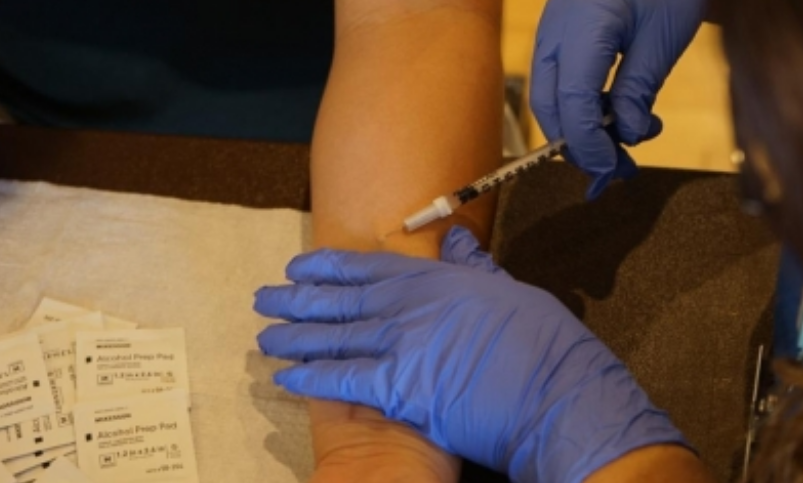
NEW DELHI, India — School-based vaccination programs against human papillomavirus can reduce the risk of pre-cancerous cervical changes not only in vaccinated individuals but also among unvaccinated women through herd immunity, according to a study published Tuesday in The Lancet Public Health.
HPV is one of the most common sexually transmitted infections and is the leading cause of cervical cancer. While vaccination has long been shown to significantly lower the risk of serious cervical abnormalities in those who receive the vaccine, its broader protective effect on unvaccinated populations has been less clear.
The new research suggests that high-coverage, school-based vaccination programs can extend protection across entire communities. “School-based HPV vaccination programmes play an important role as a cost-effective strategy to reduce cervical disease and cancer risk not only in vaccinated individuals, but across entire populations,” said Eva Meglic of the Karolinska Institutet. “This finding shows that the herd effect can be achieved through high-coverage HPV vaccination.”
The study analyzed Swedish national health registry data from more than 800,000 unvaccinated women born between 1985 and 2000. Researchers compared rates of serious pre-cancerous cervical changes across different birth cohorts that were exposed to varying HPV vaccination strategies in Sweden.
These strategies ranged from opportunistic vaccination, where individuals sought out the vaccine on their own, to subsidized programs, catch-up initiatives, and eventually comprehensive school-based vaccination programs introduced for girls born in 1999 and 2000.
The findings showed that unvaccinated women born in 1999 and 2000—who grew up alongside peers vaccinated through school-based programs—had roughly half the risk of developing serious pre-cancerous cervical lesions compared with unvaccinated women born between 1985 and 1988, when vaccination uptake was lower and less systematic.
The researchers cautioned that, as an observational study, the results could be influenced by other factors, including differences in sexual behavior, participation in cervical screening programs, testing practices, and access to healthcare across birth cohorts.
Even so, the authors said the findings carry important implications for public health policy, supporting sustained investment in universal vaccination programs, particularly those delivered through schools, to maximize population-wide protection against cervical cancer. (Source: IANS)