
India Outpaces U.S. on Trade as Tariff Strategy Struggles to Deliver
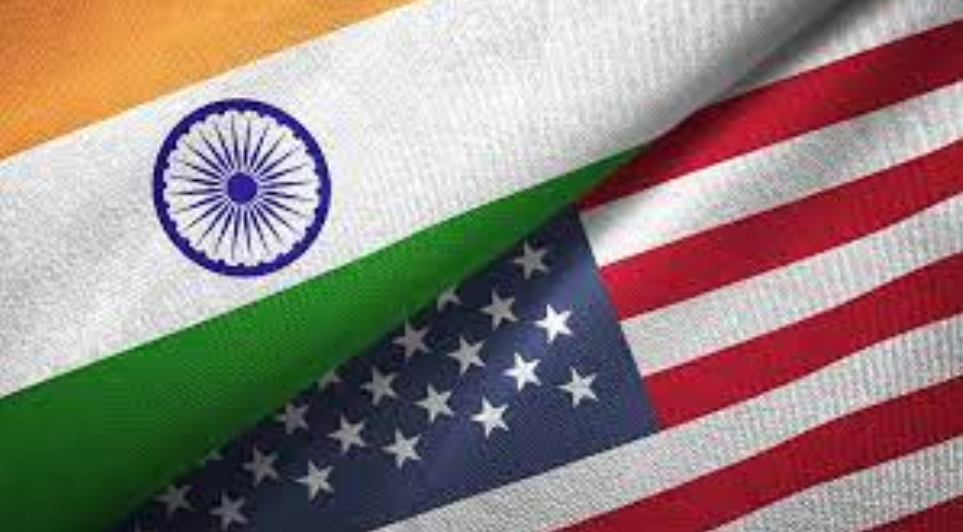
WASHINGTON — India has moved ahead of the U.S. in trade deal-making this year, fueling growing unease in Washington as the Trump administration’s tariff-focused trade strategy has failed to produce the promised results, according to comments from trade and policy analysts.
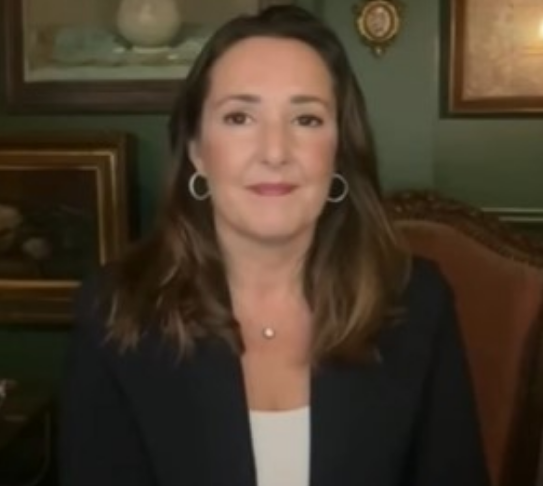
Henrietta Treyz, co-founder of Veda Partners, said frustration is mounting among U.S. lawmakers over the widening gap between aggressive trade rhetoric and actual agreements.
“Down in Washington, D.C., the agita is over the fact that India now has inked 100 percent more deals than Donald Trump this year,” Treyz said in an interview, pointing to concerns that the administration has been unable to convert pressure tactics into signed trade pacts.
Treyz recalled the administration’s pledge earlier in the year to deliver rapid progress on trade negotiations. “In the 90 deals in 90 days period of time this summer, if you’ll recall that when Treasury Secretary Scott Bessent and USTR Jamieson Greer were out there, they promised those 90 deals in 90 days,” she said.
She argued that the outcome has fallen far short of that goal. “We have two deals in 10 months, and those are with Cambodia and Malaysia,” Treyz said, adding that negotiations with South Korea have stalled.
The lack of progress is especially troubling to lawmakers, she said, given the state of trade relations before the current administration took office. “The irony and the trouble for lawmakers is that going into this administration, 96 percent of trade with South Korea was covered by a free trade agreement,” Treyz said. “We had zero percent tariffs.”
Against that backdrop, Treyz said the administration’s reliance on tariffs as leverage has failed to yield breakthroughs with major partners. “Now the cudgel that Trump has been blasting the EU, Japan, and South Korea with all year is not bearing fruit,” she said.
She also warned that the domestic political costs of the strategy are growing, as public opposition to tariffs increases. “For lawmakers, the concern is that Americans don’t like the tariffs,” Treyz said, adding that “50 percent of Americans want the Supreme Court to strike them down.”
That resistance, she said, has made it harder for the administration to maintain a coherent economic message. “They’re really struggling with the affordability message, with the idea that none of these trade deals are getting done, and it’s creating a lot of down-ballot concern,” Treyz said.
According to Treyz, the White House now faces mounting pressure to address the political fallout as President Trump seeks to reassure voters about the economy. “The White House has to confront that,” she said.
Trade policy continues to weigh on public sentiment, she added. “These trade deals and the tariffs are weighing on the American psyche and pulling the president’s numbers down and therefore the Republican conference’s numbers down nationwide.”
Treyz suggested that the broader political impact of stalled trade progress is becoming increasingly difficult to ignore, even as the administration continues to promote a “sell America” approach to economic engagement. (Source: IANS)