UK Accused of Shielding Khalistani Extremists, Drawing Comparisons With Canada
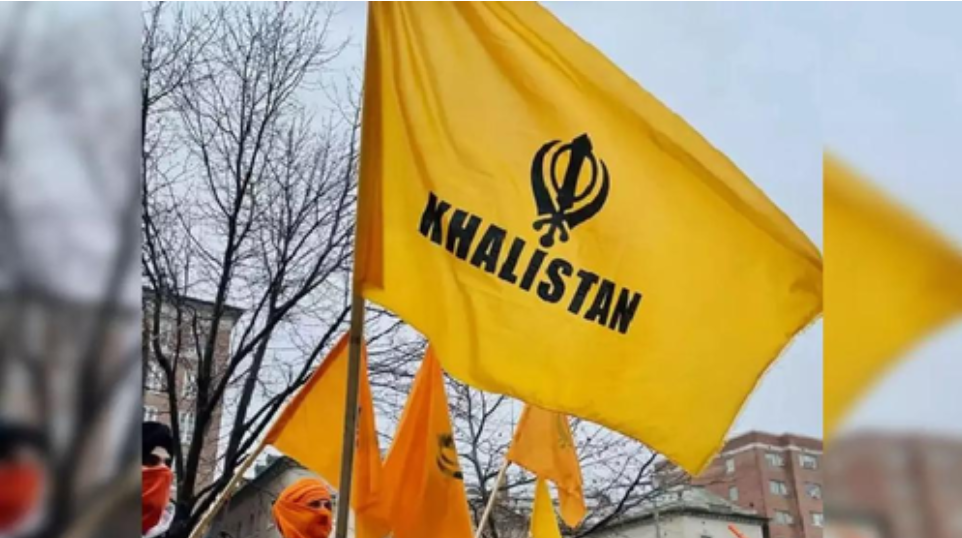

LONDON, United Kingdom — The United Kingdom’s approach toward individuals linked to Khalistani extremism is drawing sharp criticism, with a new report warning that shielding such figures could fuel terrorism, strain international alliances, and endanger innocent lives.
A report published by Khalsa Vox on Wednesday said the UK must decide whether to uphold justice by extraditing wanted militants such as Paramjeet Singh Pamma or risk following Canada into diplomatic isolation that ultimately undermines national interests. The report argued that Khalistani extremism has been linked to multiple acts of terror and violence carried out under the movement’s banner.
The report took particular aim at a recent article published by The Guardian, which it said portrayed Pamma in a sympathetic light, presenting him as a victim of alleged transnational repression by India. Khalsa Vox described that portrayal as “misleading” and “utter nonsense.”
“Far from being an innocent activist, Pamma is a figure long associated with Khalistani militancy, accused of serious crimes including bombings and murders,” the report said. “By advising him to bolster his home security and granting him asylum, the UK appears to be emulating Canada’s troubling pattern of shielding extremists under the guise of protecting free speech.”
The report questioned whether the UK is prioritizing political considerations and diaspora support over global security and accountability.
“To understand the absurdity of The Guardian’s framing, we must first delve into the Khalistan movement’s dark history,” the report said, pointing to the 1985 bombing of Air India Flight 182, which killed 329 people, most of them Canadian citizens. It noted that while support for Khalistan is virtually non-existent in India, some of its supporters have found refuge abroad, particularly in Canada and increasingly in the UK.
According to the report, allegations against Pamma extend beyond unproven claims. It cited his alleged links to Babbar Khalsa International, the group behind the 1985 Air India bombing, and said he played a central role in raising and channeling funds for violent operations.
The Khalsa Vox report also criticized The Guardian article for overlooking this background and focusing instead on Pamma’s claims of threats from “Hindu nationalists.”
“He alleges harassment, including broken car windows and armed visits, but UK police investigations yielded no charges,” the report said. It added that Pamma’s decision to live separately from his family for “safety” mirrors tactics used by other militants to avoid scrutiny.
The report further argued that portraying Khalistani figures as victims ignores instances in which pro-Khalistan elements have themselves incited violence, including the 2023 attack on India’s High Commission in London by protesters.
The report concluded that the UK’s handling of such cases carries consequences that extend beyond bilateral relations, warning that tolerance for extremism under the banner of free speech risks eroding international trust and global security. (Source: IANS)