Human Heart Can Regrow Muscle Cells After Heart Attack, Study Finds
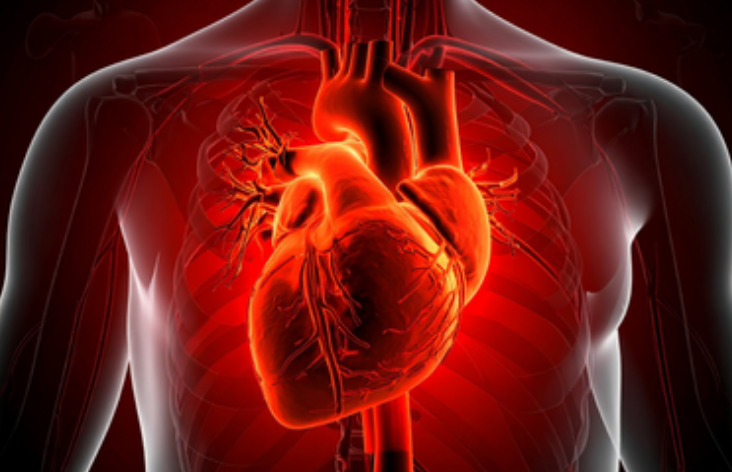

NEW DELHI, India — Scientists in Australia have made a world-first discovery showing that the human heart can regrow muscle cells after a heart attack, a finding that could open the door to future regenerative treatments for heart failure.
The study, published in Circulation Research, found that while sections of the heart remain scarred following a heart attack, new heart muscle cells are also produced. The phenomenon had previously been observed only in mice and has now been demonstrated in humans for the first time.
“Until now we’ve thought that, because heart cells die after a heart attack, those areas of the heart were irreparably damaged, leaving the heart less able to pump blood to the body’s organs,” said Robert Hume, a research fellow at the University of Sydney and the study’s first author.
“In time, we hope to develop therapies that can amplify the heart’s natural ability to produce new cells and regenerate the heart after an attack,” added Hume, who is also the lead of translational research at Australia’s Baird Institute for Applied Heart and Lung Research.
While increased mitosis — the process by which cells divide and reproduce — has previously been seen in the heart muscle of mice following a heart attack, this marks the first time the process has been conclusively demonstrated in human heart tissue.
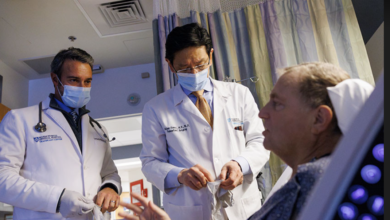
The research team made the discovery using living heart tissue samples taken from patients undergoing bypass surgery at Australia’s Royal Prince Alfred Hospital.
“Ultimately, the goal is to use this discovery to make new heart cells that can reverse heart failure,” said Professor Sean Lal, the study’s senior author and a heart failure cardiologist at the Royal Prince Alfred Hospital.
Cardiovascular disease remains the leading cause of death worldwide. Researchers noted that a heart attack can destroy up to one-third of the cells in the human heart, significantly impairing its ability to function. They said the findings provide important groundwork for the development of new regenerative therapies aimed at repairing damaged hearts. (Source: IANS)