WHO Monitoring Nipah Cases in India, Rules Out Travel Curbs

NEW DELHI, India — The World Health Organization said the risk of Nipah virus transmission remains low and that there is no need for travel or trade restrictions, even as it continues to closely monitor recent cases reported in India.
In its latest Epidemiological Bulletin, the global health body confirmed two Nipah virus cases involving a 25-year-old woman and a 25-year-old man, both nurses working at the same private hospital in West Bengal’s North 24 Parganas district.
According to the WHO, the healthcare workers developed initial symptoms in the last week of December 2025, which rapidly progressed to neurological complications. Both were placed in isolation in early January.
Following laboratory confirmation, health authorities activated an extensive public health response. A total of 196 people who had contact with the confirmed cases were identified, traced, monitored, and tested. “All contacts have remained asymptomatic and have tested negative for Nipah virus infection,” the WHO said.
“No additional Nipah cases have been detected so far. The situation is being monitored,” the agency said, adding that “based on current evidence, WHO does not recommend any travel or trade restrictions.”
Amid reports that some countries had begun Covid-style screening measures at airports due to concerns over possible spread, the UN health agency reiterated that the overall risk remains limited.
“WHO assesses the risk at the sub-national level in West Bengal as moderate, given the presence of fruit bat reservoirs in the India–Bangladesh border areas and the possibility of sporadic zoonotic spillover. However, the national, regional, and global risk remains low,” the WHO said.
“The cases are confined to the North 24 Parganas district, with no reported travel while symptomatic. All identified contacts have tested negative, and surveillance and infection prevention measures have been intensified. The likelihood of spread to other Indian states or internationally is considered low,” it added.
This marks the seventh documented Nipah outbreak in India and the third in West Bengal, following earlier outbreaks in Siliguri in 2001 and Nadia in 2007.
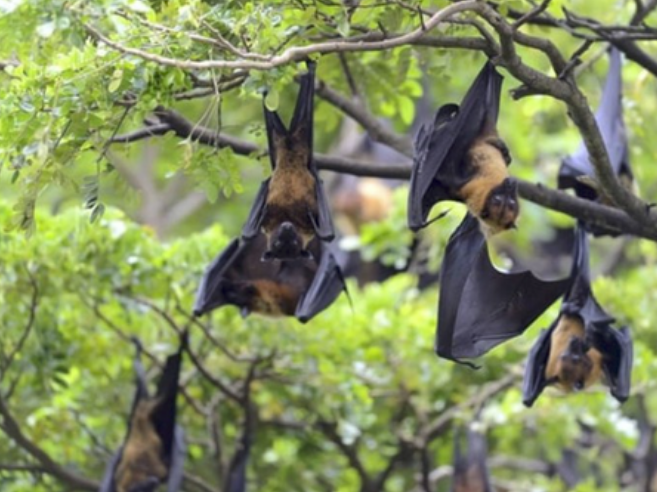
Nipah is a zoonotic disease primarily transmitted from bats to humans, either directly or through contaminated food. The virus can also spread from animals such as pigs to humans, and in some cases between people through close and prolonged contact, particularly in health-care settings.
In humans, Nipah virus infection can range from asymptomatic illness to severe respiratory disease and fatal encephalitis. Globally, the case fatality rate is estimated to be between 40 percent and 75 percent, depending on early detection and the quality of clinical care.
There is currently no licensed vaccine or specific treatment for Nipah virus infection.
The WHO advised reducing bat-to-human transmission by preventing bats from accessing date palm sap, boiling freshly collected sap, washing and peeling fruits thoroughly, discarding fruits with signs of bat bites, and avoiding areas where bats roost. (Source: IANS)