Jammu and Kashmir Residents Reflect on Seven Years Since Article 370 Revocation
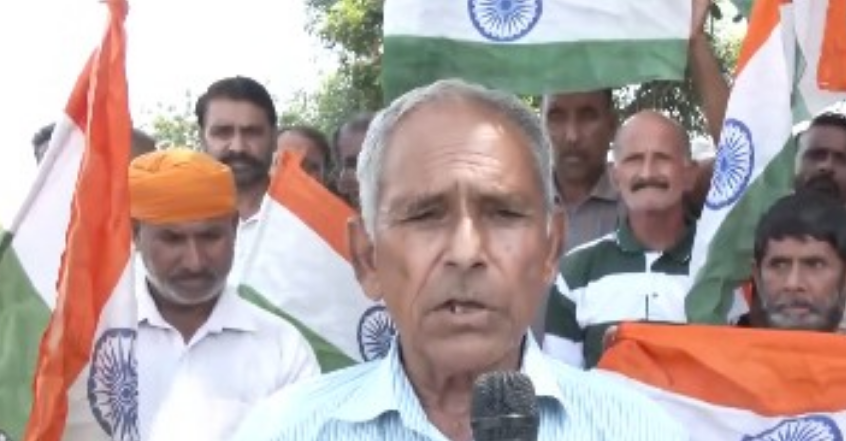

Jammu — Residents and community leaders in Jammu and Kashmir are offering differing assessments of how the region has changed since the Indian government revoked its special constitutional status seven years ago.
Article 370, which granted Jammu and Kashmir a degree of autonomy, was effectively repealed on Aug. 5, 2019. The former state was subsequently divided into the Union Territories of Jammu and Kashmir and Ladakh.
Ahead of the anniversary Wednesday, several residents said they had seen improvements in tourism, commercial activity, transportation and public life. Their comments also reflected support for the central government’s decision, although the broader political and social effects of the move remain contested.
Vimal Mehra, a local resident, pointed to the number of tourists now visiting Srinagar’s Lal Chowk, where families gather for photographs and social media videos.
He contrasted the present atmosphere with earlier periods of unrest and credited Prime Minister Narendra Modi and Home Minister Amit Shah with changing the city’s public environment.
Another resident, Deepak Singh, said frequent shutdowns, strikes and curfews had previously disrupted daily life and hurt local businesses.
He argued that separatist groups had lost influence since the constitutional change and accused their leaders of encouraging young people toward militancy while sending their own children abroad to study.
Business representatives also highlighted development and improved connectivity.
Arun Gupta, president of the Chamber of Commerce Jammu, said the region had undergone significant changes since 2019, citing growing tourism, new rail links and infrastructure projects.
He also welcomed what he described as a decline in terrorist activity, while acknowledging concerns about recent security incidents.
Purshotam Dadhichi, president of the Shri Sanatan Dharma Sabha Jammu and Kashmir, said a greater sense of normalcy was visible across the Union Territory.
He said tourists and pilgrims traveling to destinations such as the Vaishno Devi shrine appeared to feel safer than in previous years.
Dadhichi also said members of the Gorkha and Valmiki communities, along with people displaced from Pakistan-administered parts of Jammu and Kashmir, had gained greater access to voting and employment rights after the repeal of the region’s special status.
“They can now participate in the electoral process, and political parties are approaching them to seek their votes,” he said.
Supporters of the 2019 decision say it brought Jammu and Kashmir under the same legal framework as the rest of India and opened the way for investment and development.
Critics, however, have argued that the move was imposed without adequate local consent and have raised concerns about political representation, civil liberties and the continuing absence of full statehood. (Source: IANS)