Lawmakers Seek H-1B Visa Fee Relief for Foreign Teachers in Underserved Areas

WASHINGTON — Lawmakers are urging the Department of Homeland Security to consider relief for foreign teachers recruited to work in remote and underserved communities, as concerns grow over the impact of a $100,000 H-1B visa fee on school districts facing staffing shortages.
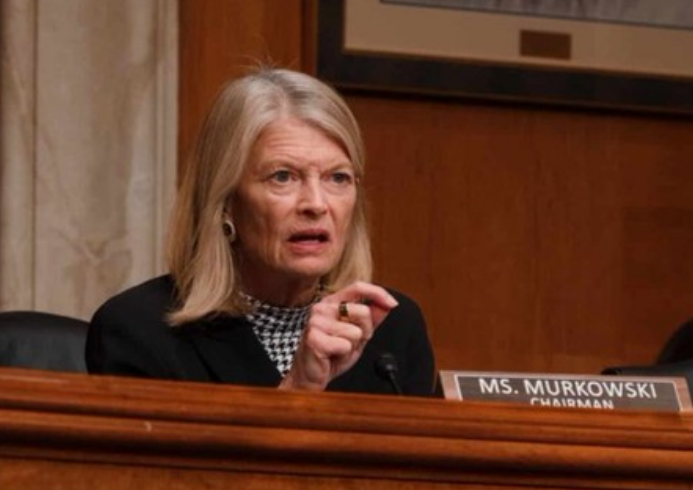
The issue was raised during a Senate Appropriations Subcommittee hearing on the Department of Homeland Security’s fiscal 2027 budget request. Sen. Lisa Murkowski of Alaska said rural school districts face recruitment challenges similar to those affecting hospitals that rely on foreign doctors.
“I’ll follow up with you about the issue that I raised previously with regards to H-1B visas for teachers,” Murkowski told Homeland Security Secretary Markwayne Mullin near the end of the hearing. “I know Senator Collins raised it for medical professionals, but we’re really anxious about this as school districts are looking to bring on and hire more of our teachers.”
Murkowski’s comments followed a separate exchange between Mullin and Sen. Susan Collins, who pressed the administration to consider exemptions for doctors serving rural hospitals that struggle to recruit qualified medical professionals.
During that discussion, Mullin acknowledged concerns about staffing shortages in remote communities and said DHS was willing to examine possible solutions.
“We do have some authority and flexibility to be able to waive some of this on a case by case,” Mullin said.
He also said the department was open to reviewing proposed changes to the policy.
“We’re happy to look into it, look at language, try to get it better,” Mullin said.
Although Murkowski did not cite specific cases during the hearing, Alaska’s remote communities have long faced challenges recruiting teachers for schools in sparsely populated regions.
The H-1B visa program allows U.S. employers to hire foreign professionals in specialized occupations that require advanced skills or education. While the program is often associated with technology workers, it is also used by schools, health care providers and research organizations. (Source: IANS)