
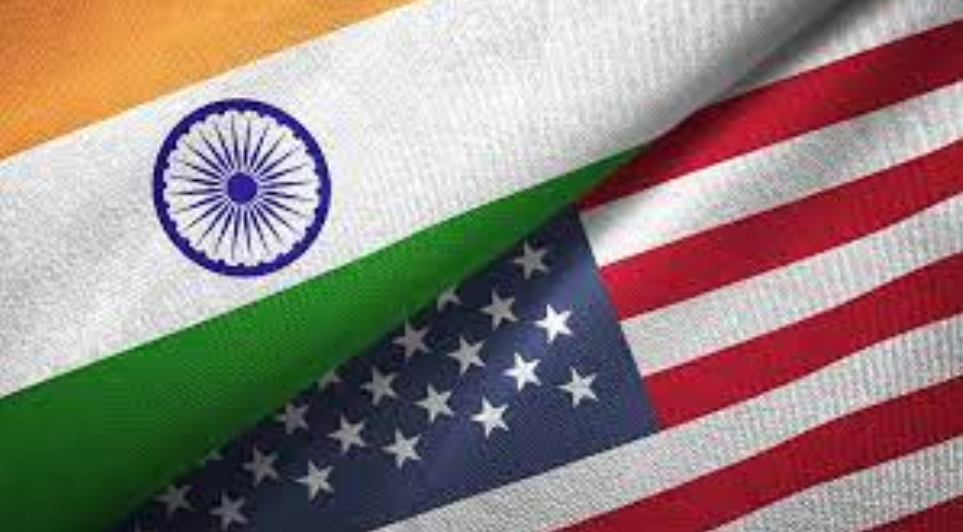
NEW DELHI, India — India’s recent interim trade agreement with the United States, which led to a sharp reduction in U.S. tariffs on Indian goods, is increasingly being viewed internationally as a reflection of New Delhi’s commitment to strategic autonomy and decision-making rooted in national interest.
An analysis published by South Africa’s Sunday Independent described India’s approach as deliberately pragmatic. “India’s response, which is seemingly rooted in a deliberate policy of strategic autonomy, reveals a pragmatic approach that prioritises national interest without surrender, as many pundits had suggested,” the article said.
External Affairs Minister S Jaishankar reinforced that view while speaking at the Munich Security Conference on February 14, stating that India remains “very much emboldened to strategic autonomy because it’s very much a part of its history and evolution.”
Addressing questions over whether the U.S. trade framework had forced India to scale back purchases of Russian oil, Jaishankar emphasized that India’s energy choices are guided by “availability, costs, risks,” and the commercial interests of Indian oil companies rather than political pressure.
According to the Sunday Independent analysis, any moderation in Russian oil imports reflects practical assessments rather than coercion. Russia’s share of India’s oil imports has fallen to below 25 percent in early 2026, while Iranian supplies have already become negligible. The article, written by Phapano Phasha, noted that these shifts are driven by sanctions, pricing, and logistics rather than external demands.
Jaishankar’s comments also appeared to counter assertions from U.S. officials, including President Donald Trump and Secretary of State Marco Rubio, suggesting India had made firm commitments to end Russian energy purchases. Instead, the minister reiterated India’s insistence on independent decision-making, even when partners “may not necessarily agree on everything.”
Under the interim trade framework, U.S. tariffs on Indian goods are set to fall from levels as high as 50 percent, including punitive duties, to 18 percent. The revised rate is marginally more favorable than those applied to competitors such as Pakistan at 19 percent and Vietnam at 20 percent.
The tariff reductions are expected to benefit key Indian export sectors, including textiles, pharmaceuticals, and electronics, easing pressure on supply chains and helping safeguard jobs amid global economic uncertainty.
Analysts also caution that many agreements reached during the Trump administration remain broad frameworks with unclear timelines. Without congressional approval, legal questions persist, leaving countries such as India considerable flexibility in how and when the terms are implemented.
The U.S. framework followed closely on the heels of India’s free trade agreement with the European Union, finalized on January 27. The sequencing, the article argued, reduced U.S. leverage in negotiations and illustrated India’s strategy of diversifying partnerships to reinforce its autonomy.
While India has adjusted Russian oil imports in response to sanctions and market realities, it is also exploring alternatives such as Venezuelan heavy crude, encouraged by Washington. However, no formal commitment to sever ties with Russia or Iran has been announced, and longstanding military and economic links with Moscow continue.
This selective diversification, the article noted, aligns with India’s broader national interest: ensuring affordable and reliable energy supplies for a population of 1.4 billion while managing geopolitical risk.
“By balancing U.S. concessions with EU diversification and pragmatic energy choices, New Delhi advances national interest without perceived ideological surrender. In a multipolar world, this model of resilient, uncoerced engagement offers valuable lessons for the Global South,” the article observed. (Source: IANS)