Hizbul Mujahideen Shifts Strategy, Increasing Pakistani Recruitment and Renewing Push in Kashmir: Report
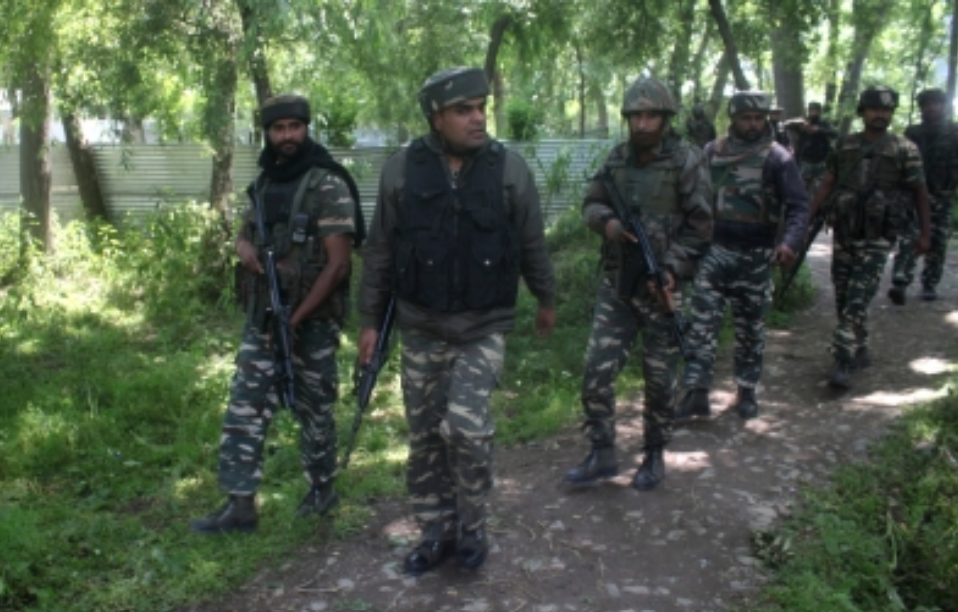

NEW DELHI — Hizbul Mujahideen, the Pakistan-based militant group that was once projected as a largely homegrown insurgent outfit in Jammu and Kashmir, is changing its operational strategy by recruiting more Pakistani nationals and attempting to revive separatist sentiment in the region, according to Indian intelligence officials.
Officials told IANS that the group’s recent recruitment efforts indicate a significant shift from relying primarily on local recruits to increasing the number of Pakistani militants within its ranks.
“The recruitment pattern has changed. Today, Hizbul Mujahideen has more Pakistani fighters than local Kashmiris. This suggests that local recruitment has declined significantly,” an Intelligence Bureau official said.
According to officials, the group’s leadership met on July 8 to mark the death anniversary of former Hizbul commander Burhan Wani, during which members reportedly discussed recruitment strategies and future operations. The organization, headquartered in Muzaffarabad in Pakistan-administered Kashmir, is said to be under pressure to regroup and resume militant activities in Jammu and Kashmir.
Officials said that following Operation Sindoor, Hizbul Mujahideen had remained relatively inactive. With Jaish-e-Mohammed (JeM) reportedly weakened, Indian intelligence believes Pakistan’s security establishment is placing greater emphasis on Hizbul Mujahideen and Lashkar-e-Taiba (LeT) to sustain militant activity.
One official alleged that Lashkar-e-Taiba is currently focused on internal security challenges within Pakistan, including militant groups such as the Balochistan Liberation Army (BLA) and Tehreek-e-Taliban Pakistan (TTP), creating an opportunity for Hizbul Mujahideen to assume a larger role in operations targeting Jammu and Kashmir.
According to the report, nearly 100 Hizbul Mujahideen militants are believed to be waiting at launch pads in Pakistan-administered Kashmir for possible infiltration into Jammu and Kashmir. Officials also alleged that the group’s leadership, headed by Syed Salahuddin, has been instructed to intensify recruitment efforts and expand its propaganda campaign in the Kashmir Valley.
Beyond recruitment, intelligence officials expressed concern over what they described as renewed attempts to promote separatist ideology in the region.
“The effort is not limited to recruiting militants,” one official said, adding that the organization is also expected to seek individuals capable of reviving separatist narratives, which authorities view as a significant security concern.
Indian security officials say separatist movements have historically played a role in facilitating militant recruitment and radicalization in Jammu and Kashmir.
Officials cautioned that although Hizbul Mujahideen has suffered substantial setbacks since 2016 due to sustained counterterrorism operations, its reported efforts to rebuild its network and expand recruitment warrant close monitoring.
The claims made by Indian intelligence officials have not been independently verified, and there has been no immediate response from Pakistan regarding the allegations. Pakistan has consistently denied supporting militant groups operating across the Line of Control. (Source: IANS)