Most Blasphemy Cases in Pakistan Fabricated, Often Target Minorities, Officials Say
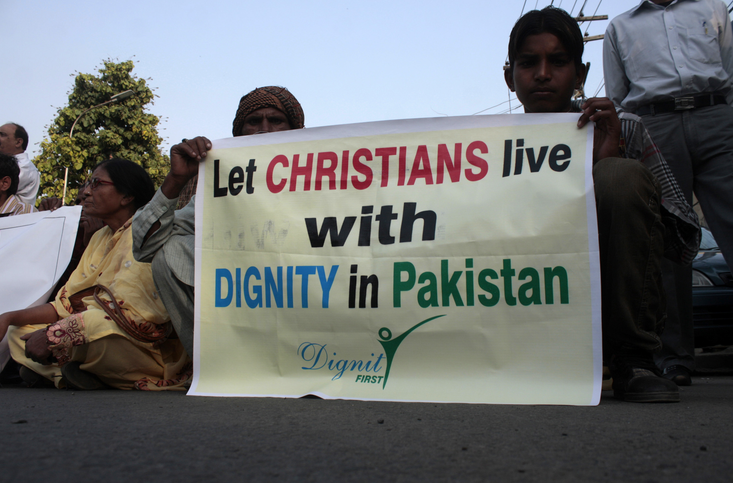

Islamabad–Most of the 333 blasphemy cases filed across Pakistan’s four provinces during the past five years were found to be false, government officials told a parliamentary committee.
Provincial home secretaries and senior police officials presented the findings to the Senate Functional Committee on Human Rights, saying fabricated allegations had frequently involved Christians and other religious minorities.
Punjab recorded the highest number of cases under Section 295-C of Pakistan’s blasphemy law, with 116 cases filed during the five-year period, according to data presented to the committee and reported by Christian Daily International-Morning Star News.
Sindh recorded 96 cases under Section 295-B and 29 cases under Section 295-C. Khyber Pakhtunkhwa reported more than 90 blasphemy cases, while Balochistan recorded 28.
Officials told the committee that many accusations arose from personal vendettas, family disputes and other private conflicts. Investigations in numerous cases found no evidence supporting the allegations, leading authorities to dismiss them.
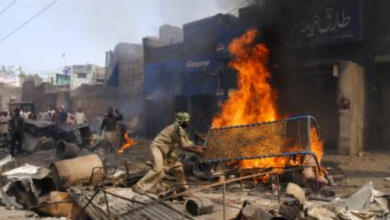
Pakistan’s blasphemy laws have long faced criticism from human rights organizations and legal experts, who say the provisions are often misused to settle personal disputes, seize property or target religious minorities.
The Voice of Pakistan Minority on July 22 accused the government of failing to prevent the misuse of the laws, citing false accusations, mob violence and inadequate protection for religious minorities.
The rights organization described the blasphemy laws as one of Pakistan’s most “controversial issues” and said the justice system had repeatedly failed to protect innocent people from fabricated allegations.
The group cited the case of Rimsha Masih, a Pakistani Christian girl with Down syndrome who was accused of desecrating the Quran. Evidence later indicated that the allegations were “fabricated,” and she was eventually released.
The organization said Masih and her family had already suffered severe pressure by the time the case was dismissed, illustrating how quickly an accusation can endanger someone before the evidence is examined in court.
“The judiciary and law enforcement agencies have repeatedly been criticised for failing to act strongly against those who misuse blasphemy allegations. When false accusers or those who manipulate religious emotions are not held accountable, it sends a dangerous message that such actions can continue without consequences. This lack of accountability weakens public trust in the legal system,” the group said. (Source: IANS)