#GlassHair effortlessly
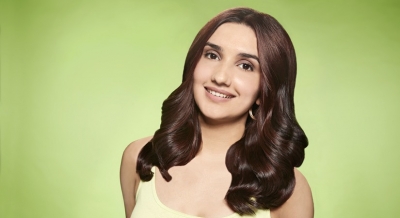

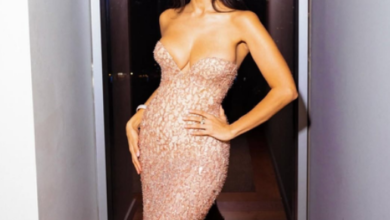
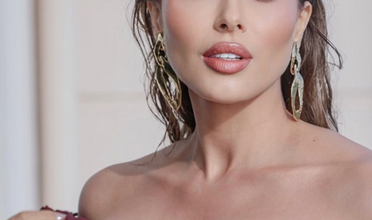
New Delhi– Do you want to add extra shine to your hair? Straight out of Hollywood, #GlassHair trend has been a celebrity favourite on the red carpet. Frizz? No way! Blunt ends? Definitely no! Pale colour? Nope. Instead, you’ll enjoy a shiny, smooth mane as this treatment makes your hair look healthy again.
Despite its name, this hair trend isn’t about using glass to style your hair, so what is glass hair? It’s the art of using products to give your hair a mirrored, glass-like surface that reflects light from all angles. Whether you have a long or short bob, the gloss finish will create a halo-like effect around your face!
The colour of your locks plays a major role in getting this style just right. With Schwarzkopf Professional, you can be rest assured that you are in the best hands to achieve the #GlassyDazzle look with the new IGORA Vibrance. Versatile and elegant it ensures you get an irresistible red-carpet shine lasting up to 25 washes.
IGORA Vibrance offers a whole range of fresh looks suited for Indian hair and skin tones making it extremely versatile. The colour possibilities with their compelling hues are endless and they complement a variety of exciting styles.
Some tips from from the Schwarzkopf Professional experts to achieve the #Glasshair look with the New Igora Vibrance range are —
* For hair to shine beautifully, it needs to be in good condition and well cared for. The look will be impossible to achieve if your hair is dried out or frizzy.
* A fresh haircut also would do wonders. It’s best to go for a hairstyle that is all one length since layers will cause the light to reflect differently, meaning the effect won’t be as dramatic.
* Your hair washing routine should include shampoo, conditioner, and a hair treatment once a week.
* It is best to use all products from one care line, as they are optimally coordinated with each other.
* Opt for products that smooth your hair, so you’ll have no flyaways ruining your silky mane always remember to apply heat protection before styling.
Bespoke Looks
IGORA Vibrance offers a whole range of fresh looks suited for Indian hair and skin tones making it extremely versatile. The colour possibilities with their compelling hues are endless and they complement a variety of exciting styles.
* Gold Shimmer — a golden sheen for the hair that is luminous and bright for an effortlessly elegant look
* Pastel Expressions — a bold, fashion-forward look replete with punchy shades and prominent placements
* Cendre Tints — cool highlights in an otherwise understated clean look accentuated by abundant shine
* Chromatic Straight — a classic, chic look with enhanced colour and a vibrant finish
* Amplified Blush — a look replete with stand out, high impact shades that make for quite a statement
* Glassy Dazzle — Exceptionally elegant, this look is all about glossy, super shiny hair that is smooth and with a reflective like finish.
It is key to note that the colour of this unique product does not fade. Since it is ammonia-free and uses a low level of peroxide, the colour is not rendered dull but gains a new dimension after every wash making you enjoy a new look every time! Again, a perfect solution if entertaining and party-hopping keeps you busy in the festive time!
This range is an ideal fit for today’s edgy GenZ who are known to be inherently experimental and bold with their choices. Unwilling to commit to permanent hair colour, they can choose to change their hair colour as often as they want and are sure to rock the #GlassHair trend too!
Schwarzkopf Professional hosted celebrity hair artists and industry stalwarts from the salon community to discuss the latest hair trends and happenings in the industry. The session titled “Cutting Edge Dialogues” hosted on Monday, September 27, 2021, was organized to bring together the community of hair artists and experts to highlight the trends that will be witnessed over the festive period and in the coming year.
The intimate gathering saw some top hair masters of the industry catching up with the Schwarzkopf Professional team. Kartik Kaushik, Country Head and General Manager, Shama Dalal, Head of Marketing, Henkel Beauty Care India, Melissa Hughe, National Head of Education, India and Srinivasan Subramanium, National Sales Head were present from the Henkel Beauty Care, India team.
Guests included Kanta Motwani & Anees — Kromakay Salon, Savio Pereira — SJP Salon, Ryan D’Rozario — Muah Salon, Placid — Placid Salon, Renne Malik — Renne Malik Salon, Sylvia Chen — Butterfly Pond, Natasha from Nalini & Yasmin Salon, Avani Yashwin — Happy in the Head and Coleen Khan along with Karthik Kaushik, Country Head General Manager Henkel Beauty Care (Professional), India, Shama Dalal, Head of Marketing, Schwarzkopf Professional, were present at the event.
Karthik Kaushik, General Manager, Schwarzkopf Professional, says, “As a beauty brand, we truly value the voice of industry masters who have shaped hairdressing in our country. Their perspective on the pulse of the market and consumer behaviour together with our state of the art assortment helps us create future-ready hair solutions for all. At Schwarzkopf Professional, we believe in offering hair transformation solutions inspired by and for all artistic talent. This is one of many more to come from our popular Cutting Edge Dialogue series — with hair experts. We endeavour to continue offering the finest with the support of our salon partners and customers.”
Shama Dalal, Head of Marketing Schwarzkopf Professional India, said, “Schwarzkopf Professional has always been a front-runner when introducing cutting-edge, technologically advanced products and also a trendsetter in hair colour and styling. We are truly honoured to have some great salons and hairdressers in the country associated with the Schwarzkopf family who share the same passion for haircare as we do. The session was truly insightful and interesting, and we look forward to hosting such events in the future as well.” (IANS)