After the Fall: How a Book Talk Became a Journey Within
An evening with author Upendra Mishra inspired reflections on resilience, self-discovery, and the unexpected lessons that shape our lives.

By Mona Roy
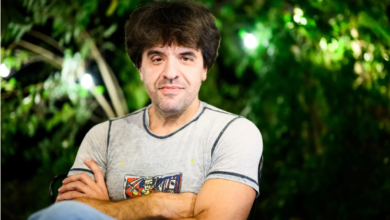
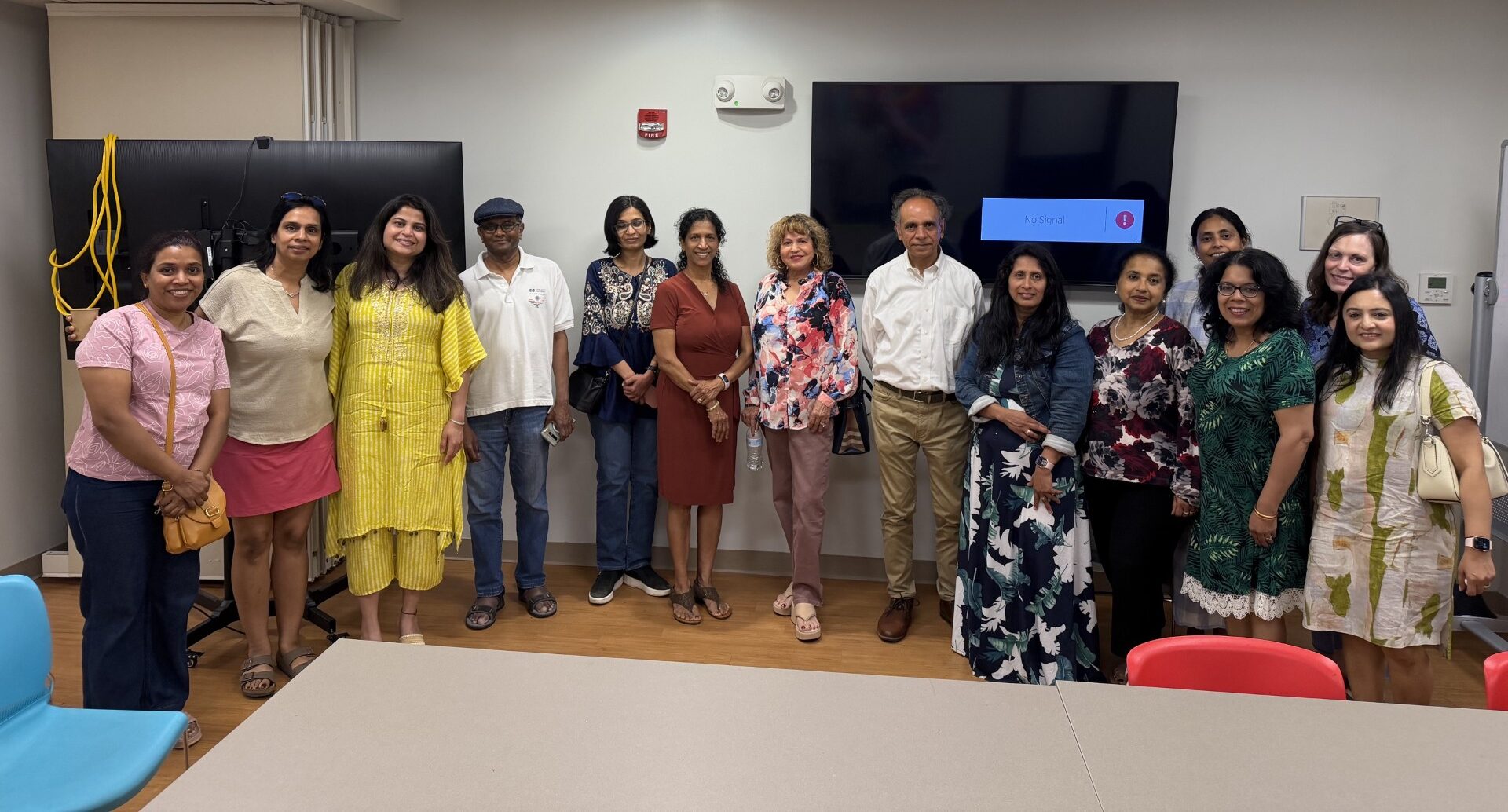
LEXINGTON, MA–I had the pleasure of attending LexBooks’ inaugural book talk, co-sponsored by LexFamily and Vision-Aid, featuring author, entrepreneur, and publisher Upendra Mishra discussing his latest book, After the Fall: How Owen Lost Everything and Found What Tryly Matters.
 What I expected was an interesting conversation about a new book. What I did not expect was that the evening would inspire me to reflect on my own journey.
As guests gathered over garam chai, tantalizing bhaji, and spicy samosas from Lexington’s Royal India Bistro, there was the familiar warmth of a community gathering. Friends greeted one another, new connections were made, and anticipation filled the room. Many of us already knew Upendra Mishra as a successful businessman, publisher, author, and community leader.
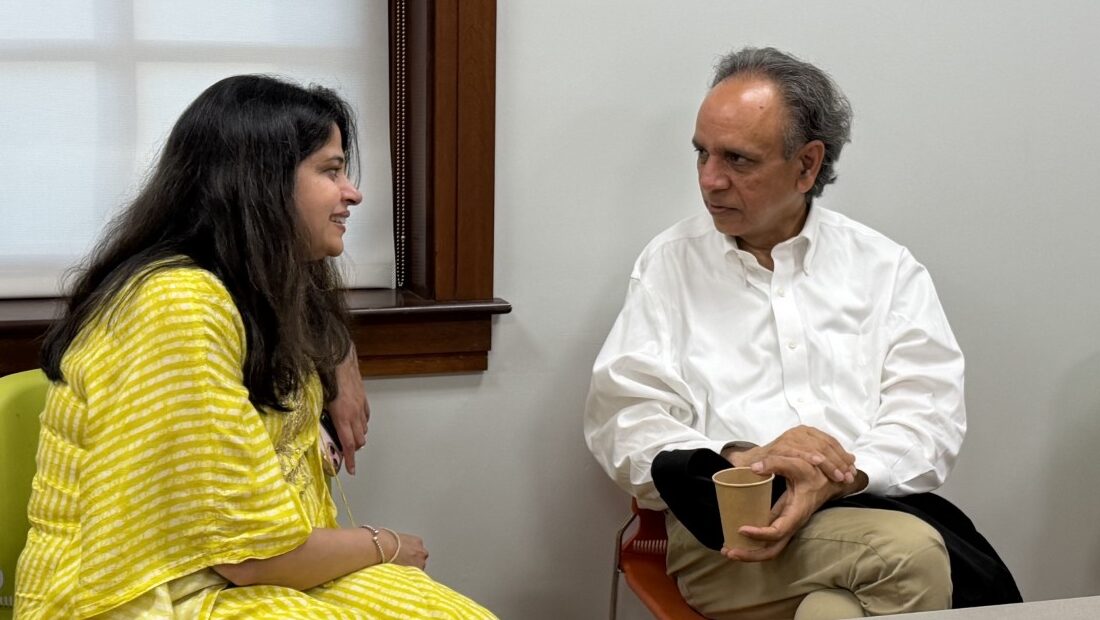 What unfolded, however, revealed a different side of the man behind those accomplishments.
I must admit that I had not yet read the full book before attending the event. After hearing Mishra speak, I immediately moved it to the top of my reading list. Having now spent time with the book, I can honestly say that while the talk was fascinating, the book itself is even better.
As Mishra discussed After the Fall, he shared the real-life experiences that inspired the story and its protagonist, Owen. While the novel is a work of fiction, it became clear that many of the emotions, questions, struggles, and moments of self-discovery reflected deeply personal experiences. As he spoke, the line between author and character often seemed to blur, creating a narrative that felt remarkably authentic, raw, and human.
 One description of the book refers to Owen’s struggle as “a fall not of fortune, but of self,” and that phrase helped me better understand both the novel and the conversation that evening. The journey Mishra described was not primarily about external success or failure. It was about identity, self-discovery, and the lifelong process of understanding who we are beneath our accomplishments, disappointments, relationships, and ambitions.
One of the most moving parts of the evening was hearing Mishra speak about losing his mother at a young age and the difficult truths he later came to understand about his family story, including what he had been told about his stepmother. These were not simply biographical details. They were part of the emotional foundation of the book and part of the larger journey he described: how loss, confusion, and even painful revelations can become sources of insight rather than bitterness.
What resonated most with me was not Mishra’s accomplishments but his willingness to share the experiences that shaped him. He spoke candidly about family, disappointment, difficult truths, and the unexpected turns that life presents. Rather than dwelling on hardship, he reflected on what those experiences taught him and how they ultimately deepened his understanding of himself and others.
Mishra also spoke about the influence of the Vedas, the Bhagavad Gita, Carl Jung, and other traditions that helped shape his worldview. Yet he did not present wisdom as something found only in sacred texts or the writings of celebrated thinkers. As he reflected on the people who influenced both his life and his writing, I found myself thinking about the many ways we learn from one another. Some lessons come from books, philosophy, and spiritual traditions. Others come from the people who challenge us, support us, disappoint us, inspire us, and ultimately help shape who we become.
As I listened, I kept returning to a simple but profound idea: wisdom is not confined to books, scriptures, or formal teachers. It can be found in life’s disappointments, unexpected relationships, and the people who guide us along the way. In that sense, the evening felt like an invitation to make the world itself our guru.
The audience reflected that spirit as well. People from different backgrounds, professions, faiths, and generations gathered together, each bringing their own experiences and perspectives. Yet the themes of resilience, self-discovery, and lifelong learning resonated across those differences.
Events like this remind me why organizations such as LexFamily and Vision-Aid matter. They create opportunities for people in Lexington to gather, exchange ideas, hear new perspectives, and reflect together.
I encourage anyone who has the opportunity to attend a future book talk by Upendra Mishra to do so. More importantly, I encourage people to read After the Fall—not simply to follow Owen’s journey, but to reflect on their own.
For me, that was the unexpected gift of the evening. What began with chai, bhaji, samosas, and a conversation about a book became something much more meaningful: a reminder that every life contains lessons, every person may be a teacher, and every journey of self-discovery begins with the willingness to listen.
Interested in joining the LexBook Club? Contact Monika Manocha Wadhwa at monikamanochawadhwa@gmail.com for information about upcoming book discussions and author events.
This event was co-sponsored by Vision-Aid, a nonprofit dedicated to empowering individuals who are blind or visually impaired through education, rehabilitation, assistive technology, and employment initiatives. Learn more at visionaid.org.
(Mona Roy is a longtime Lexington resident, School Committee member, Chair of the Lexington 250th Anniversary Commission (Lex250), social justice advocate, intellectual property attorney, musician, and avid reader. She believes that stories have the power to connect people, inspire reflection, and deepen our understanding of ourselves and one another.)