When You Need Hot Summer Read, Just Ask a Librarian: 27 Books to Dive Into This Summer-Part 1: Fiction

By Tenzin Dickie/The Harvard Gazette
Fiction
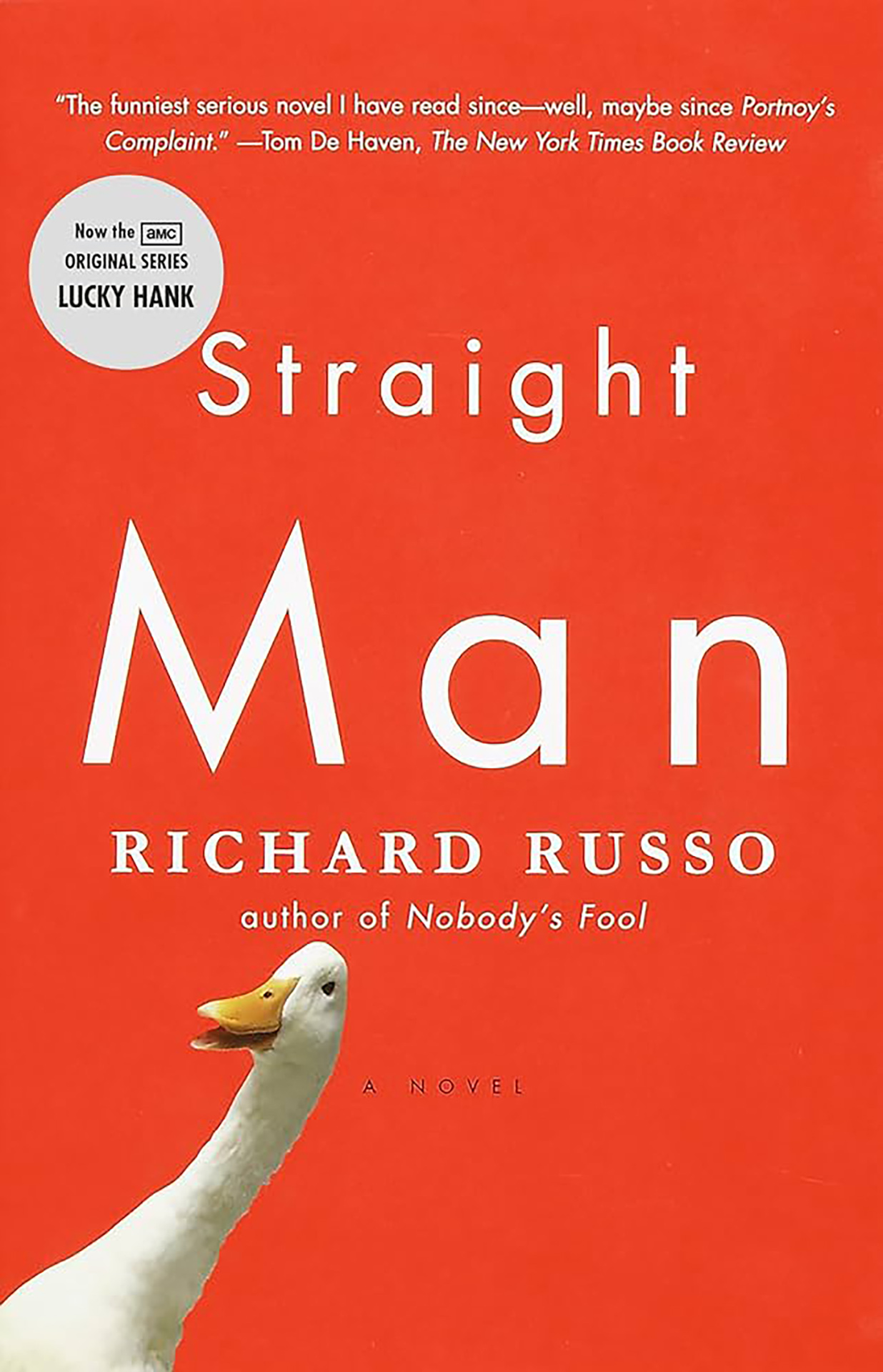
‘Straight Man’
by Richard Russo
It’s a shame they don’t give Pulitzers for hilarious academic farce novels. Facing rumors of massive budget cuts, and the incessant scheming of his colleagues in the dysfunctional English Department, William Henry Devereaux Jr. does the only thing that makes sense under the circumstances: crashes the local TV news threatening to kill a duck every day until his department gets their budget funding. Densely plotted, delightful characters misbehaving left and right, trenchant satire on the self-seriousness of middle age and academia — an absolute romp of a book.
— Claire Blechman, Digital Repository Coordinator, Open Scholarship and Research Data Services
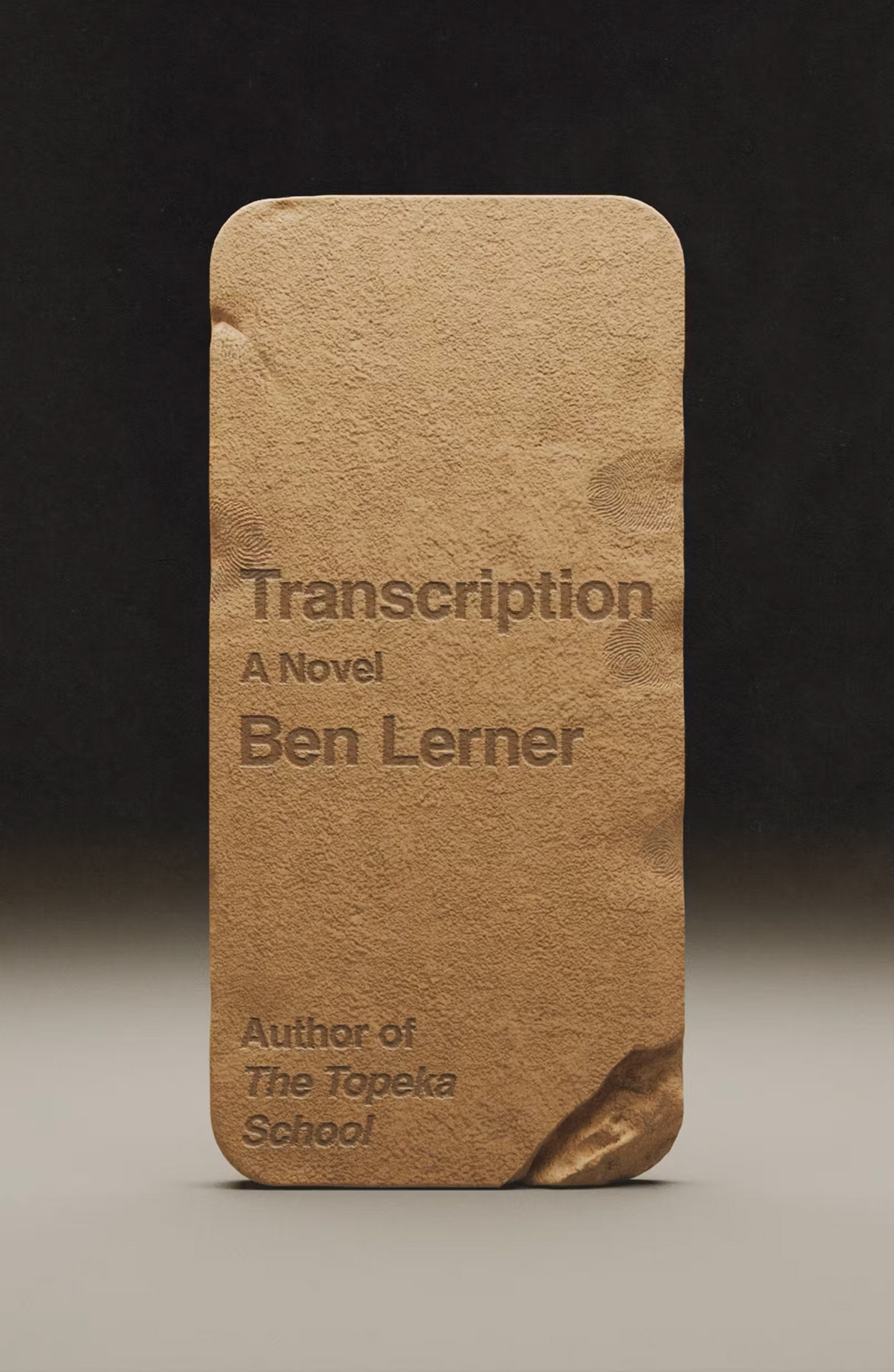
‘Transcription’
by Ben Lerner
This novel explores the relationship between technology and experience, between mediated and unmediated experience. What better way to explore such questions than Harvard’s own glass flowers, which serve as the motif that ties this compelling story together? This novel is as profound as it is timely.
— Molly Hardy, Project Lead for Public Data, Library Innovation Lab, Harvard Law School Library
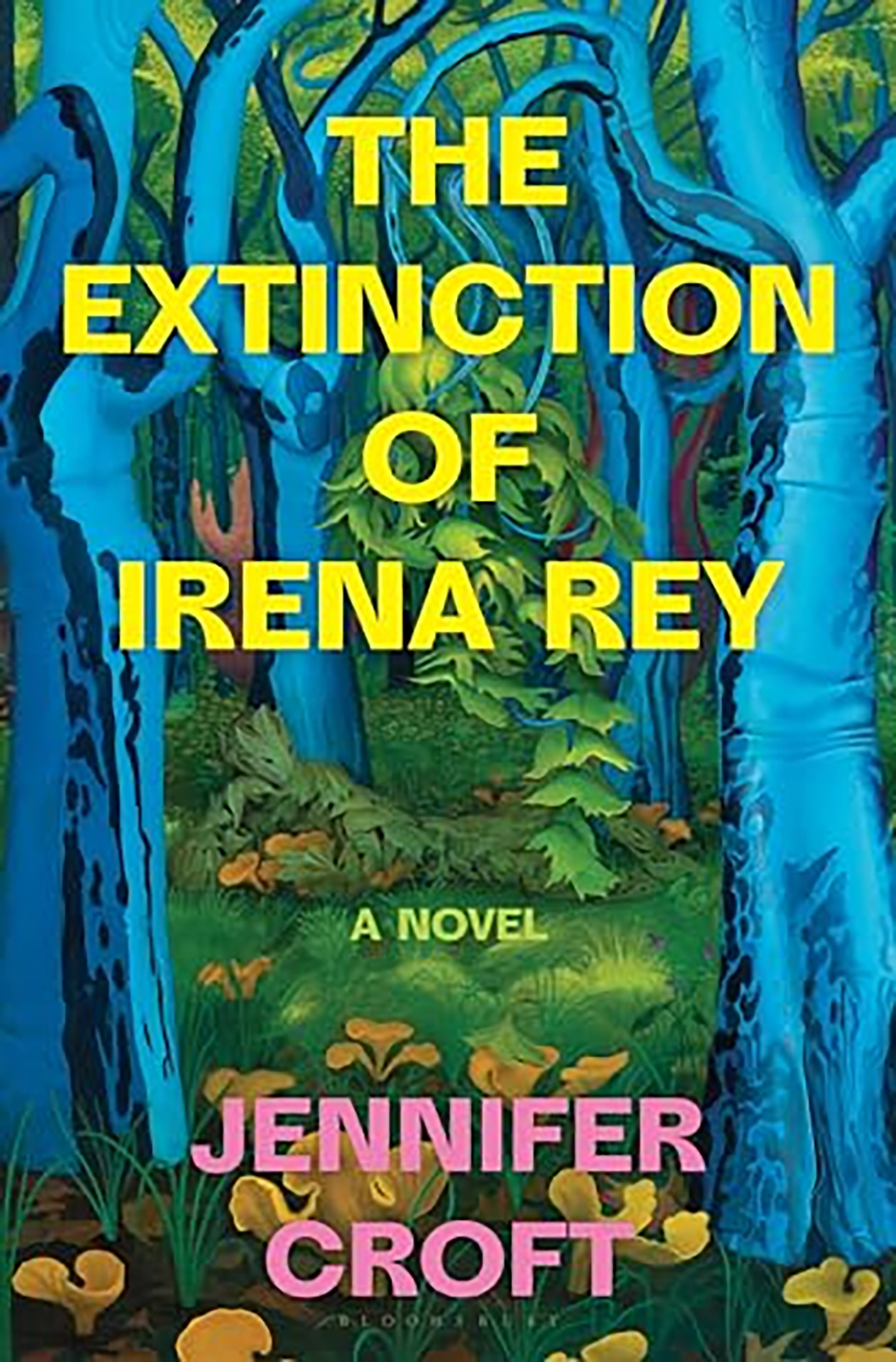
‘The Extinction of Irena Rey’
by Jennifer Croft
Irena Rey, world-renowned author, is ready to release her magnum opus — but first, it must be translated. She summons her cadre of eight translators to her home on the edge of Białowieża Forest in Poland and all eagerly comply. What should be a straightforward job turns into anything but as Irena disappears, the translators’ rivalries come to the fore, and life becomes increasingly unhinged. This is one of the most riveting, not to mention hilarious, books I’ve read all year.
— Debbie Ginsberg, Manager of Emerging Technology Initiatives, Harvard Law School Library
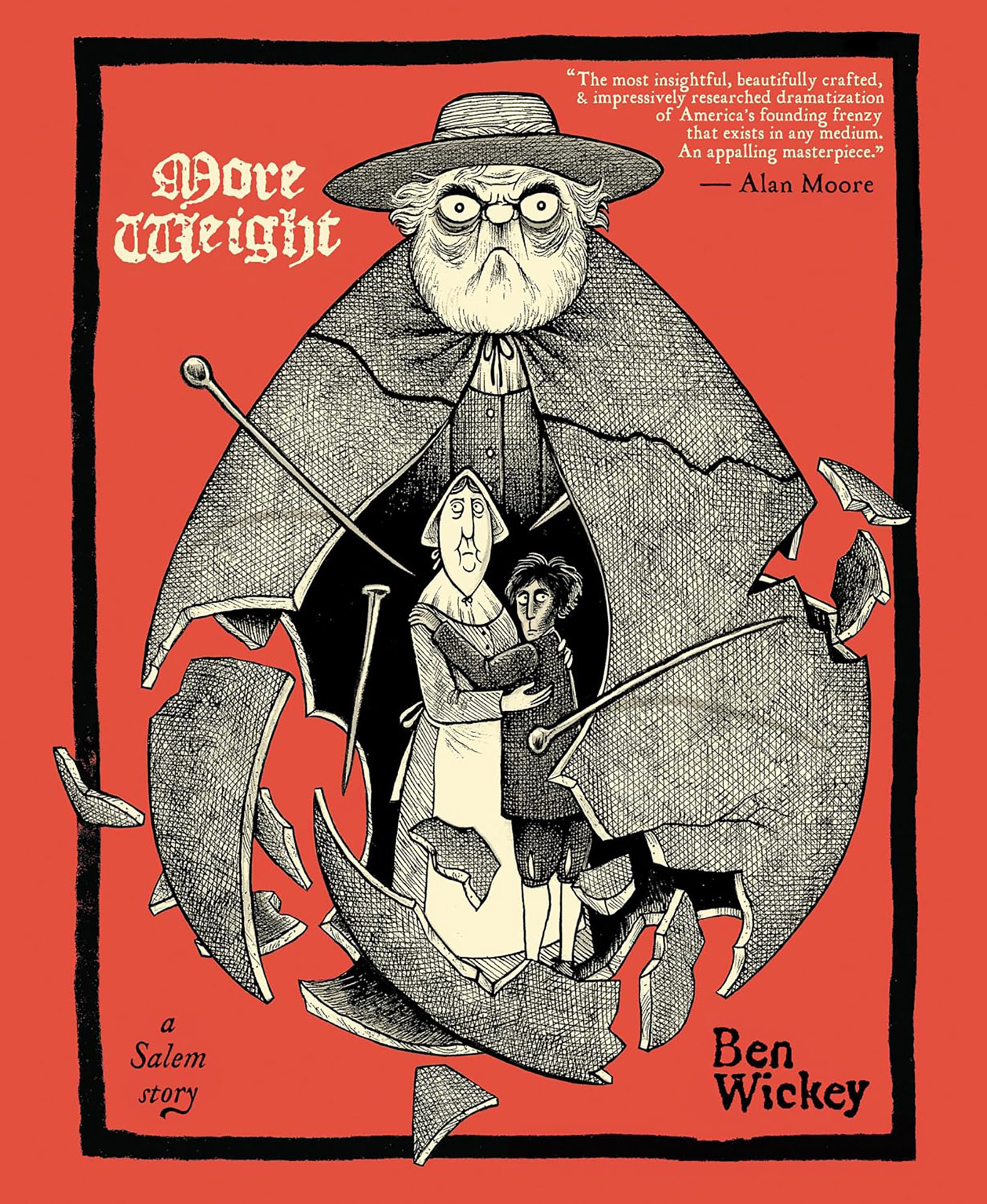
‘More Weight: A Salem Story’
by Ben Wickey
This graphic novel, many years in the making, is an impressive feat of illustration and storytelling. It’s also deeply researched (with detailed endnotes) and a fascinating work of historiography. You’ll learn a lot about the Salem witch trials, but even more about how we’ve understood and interpreted those events in the centuries since. Sometimes it almost feels like Wickey is trying to do too much, but given the rich source material, you can hardly blame him.
— Charlotte Lellman, Collections Services Archivist, Countway Library
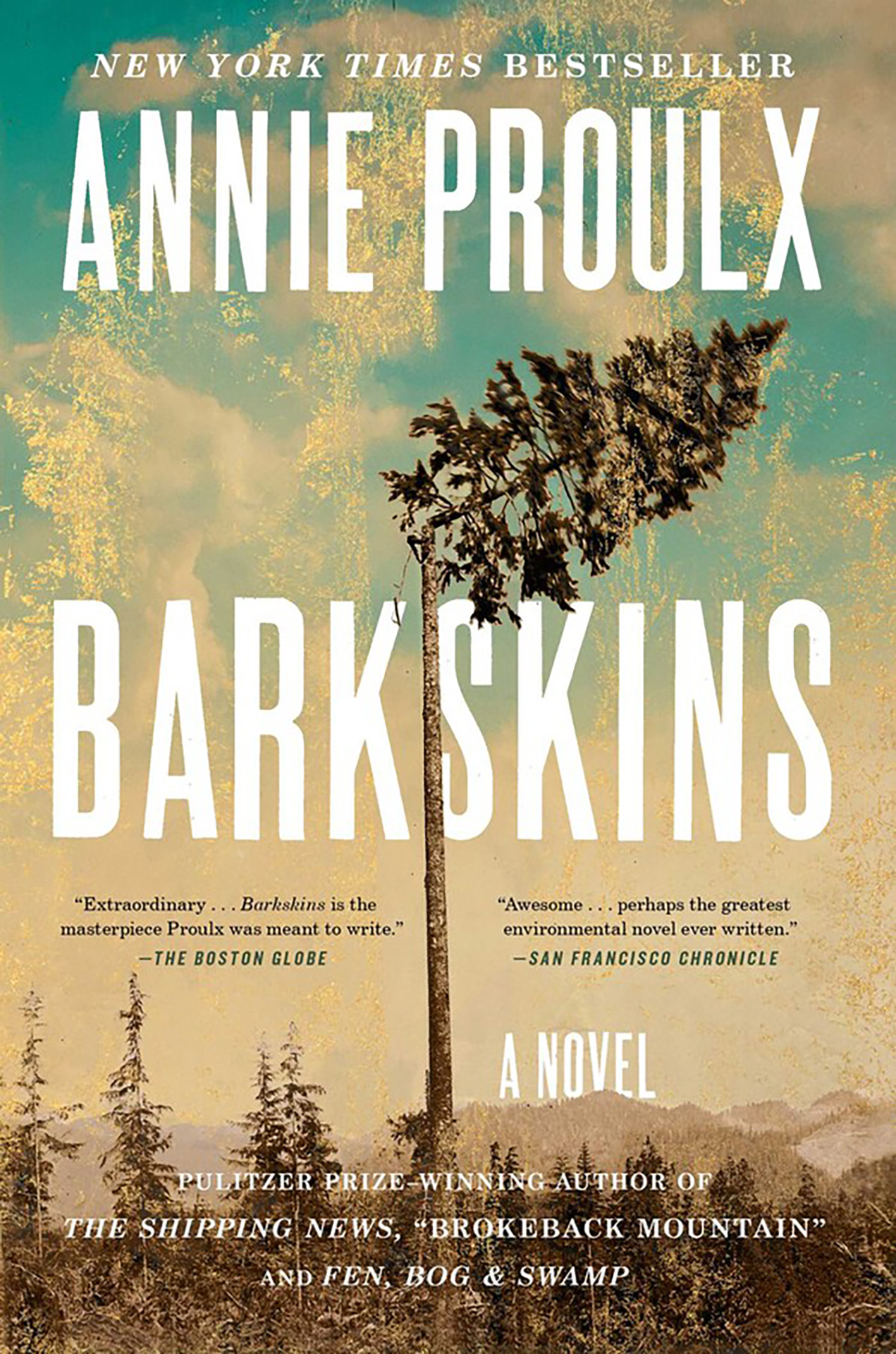
‘Barkskins’
by Annie Proulx
Does a 700-page novel spanning three centuries, four continents, and lives of two interconnected families, tackling subjects like habitat loss and colonialism, seem like a good summer read? Amazingly, it is. It’s slow, fabulously researched, emotionally intense, and relevant.
— Katarzyna “Kasia” Maciak, Senior E-Resources Support Specialist, Information and Technical Services
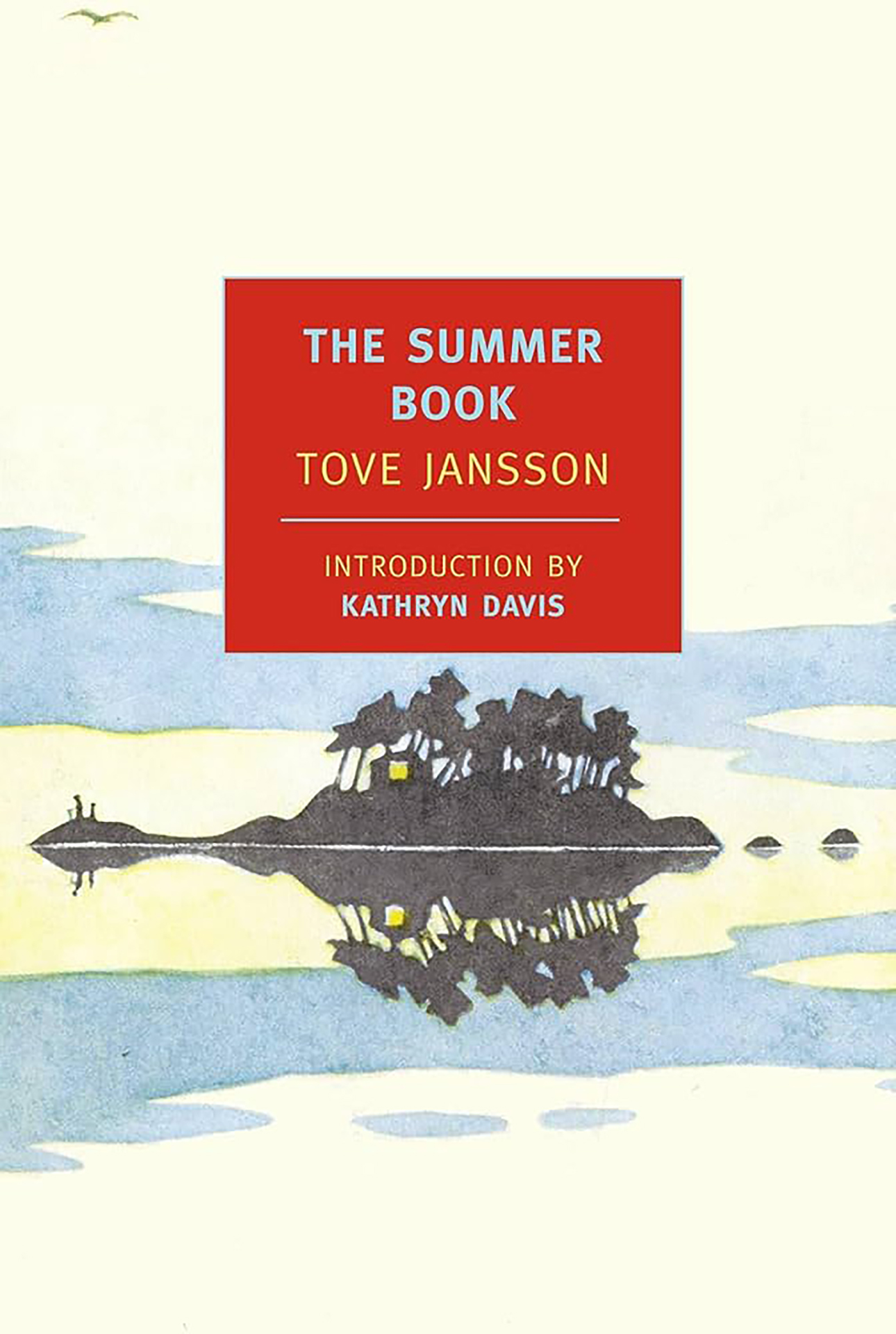
‘The Summer Book’
by Tove Jansson
Tove Jansson, mastermind behind the Moomins cartoons, brings the same whimsy, wit, and poignance to her adult novels as well. How could one NOT want to read about existential, yet humor-tinted daily conversations and adventures shared between a grandmother and a granddaughter? It’s even better that such goings-on are captured in 22 vignettes set on a remote Finnish island throughout slow summer days. A novel as refreshing and light as a fresh lemonade, “The Summer Book” is a must-read for your summer days.
— Kai Miyabayashi McGinn, Research and Instruction Librarian, Frances Loeb Library
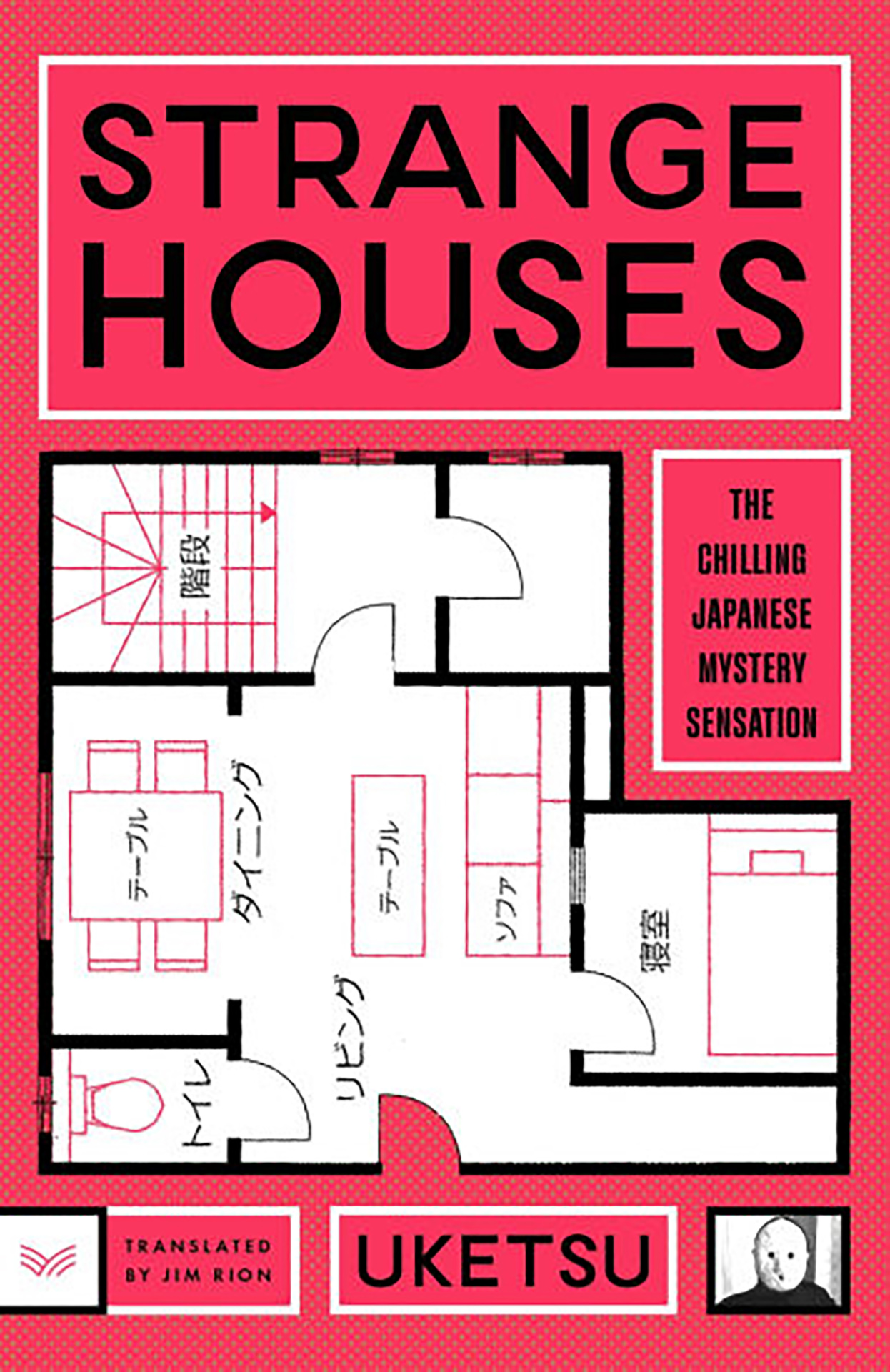
‘Strange Houses’
by Uketsu; translated by Jim Rion
Uketsu is a Japanese YouTuber who has garnered international fame for his creepy mask and unsettling mystery stories in which images play a crucial role. “Strange Houses” is a page-turner that follows a nameless writer investigating a house with a bizarre floor plan: inscrutable layout, dead spaces, doors to nowhere. Trying to uncover the house’s mysteries, he and his architect friend fall down a rabbit hole including missing people, more inexplicable buildings, family secrets, and possible child assassins.
— Mitch Nakaue, Interim Head of Scholarly and Public Programs, Houghton Library
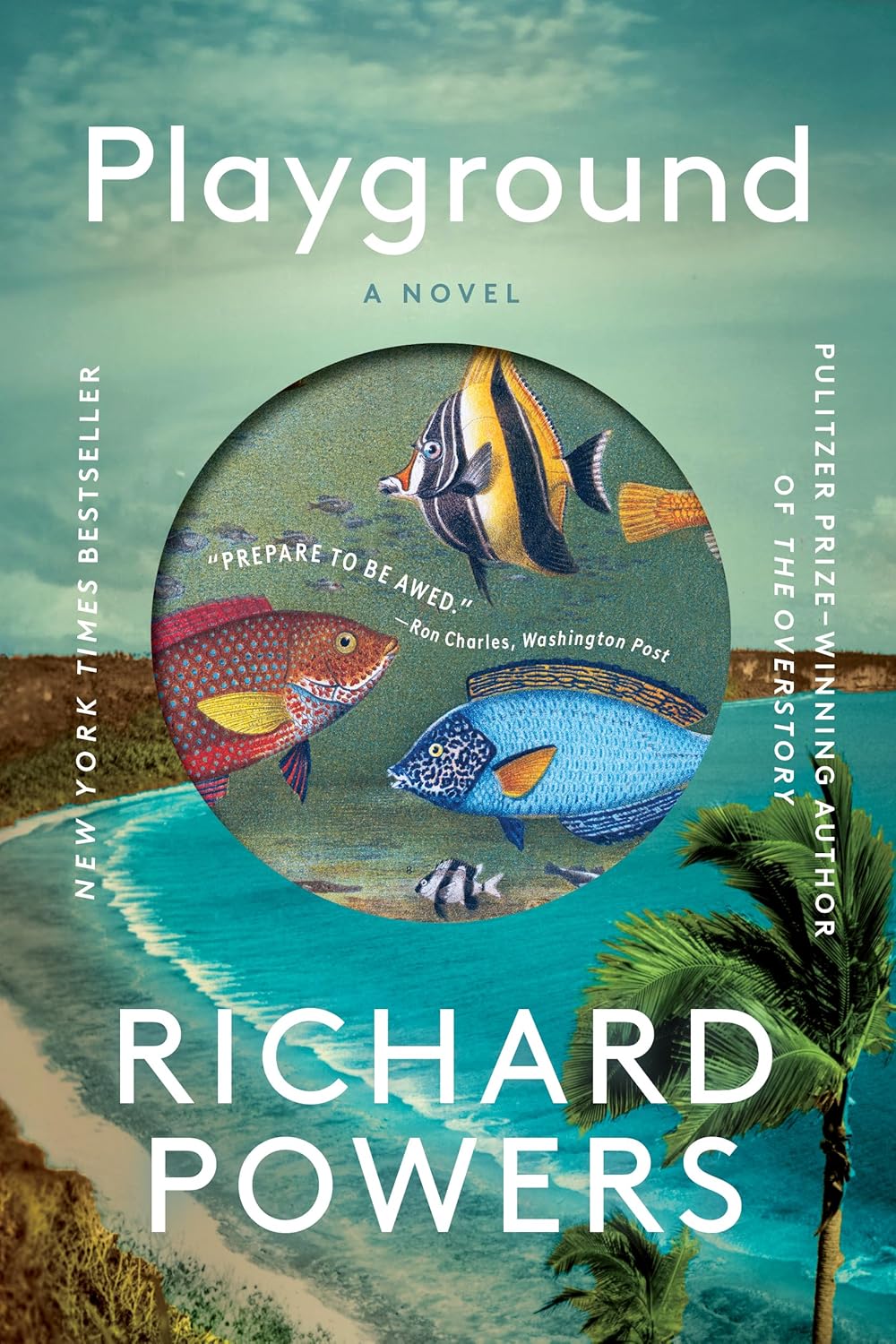
‘Playground’
by Richard Powers
What better way to spend your beach days this summer than to read about … the ocean? Richard Powers’ “Playground” (longlisted for the 2024 Booker Prize) is the briny twin to his 2019 “The Overstory” in that it’s an environmental tome that weaves together multiple story arcs, except this time they’re all connected to the dazzling depths of the sea. It weighs the abundance we manufacture through technology against the natural abundance that we simultaneously overlook and exploit, but it infuses what otherwise might be a bummer topic with a deep joy for life in all its myriad forms and a gesture toward how humanity might reconcile these tensions in our existential grasp for fulfillment.
— Tricia Patterson, Interim Head of Digital Preservation, Preservation Services
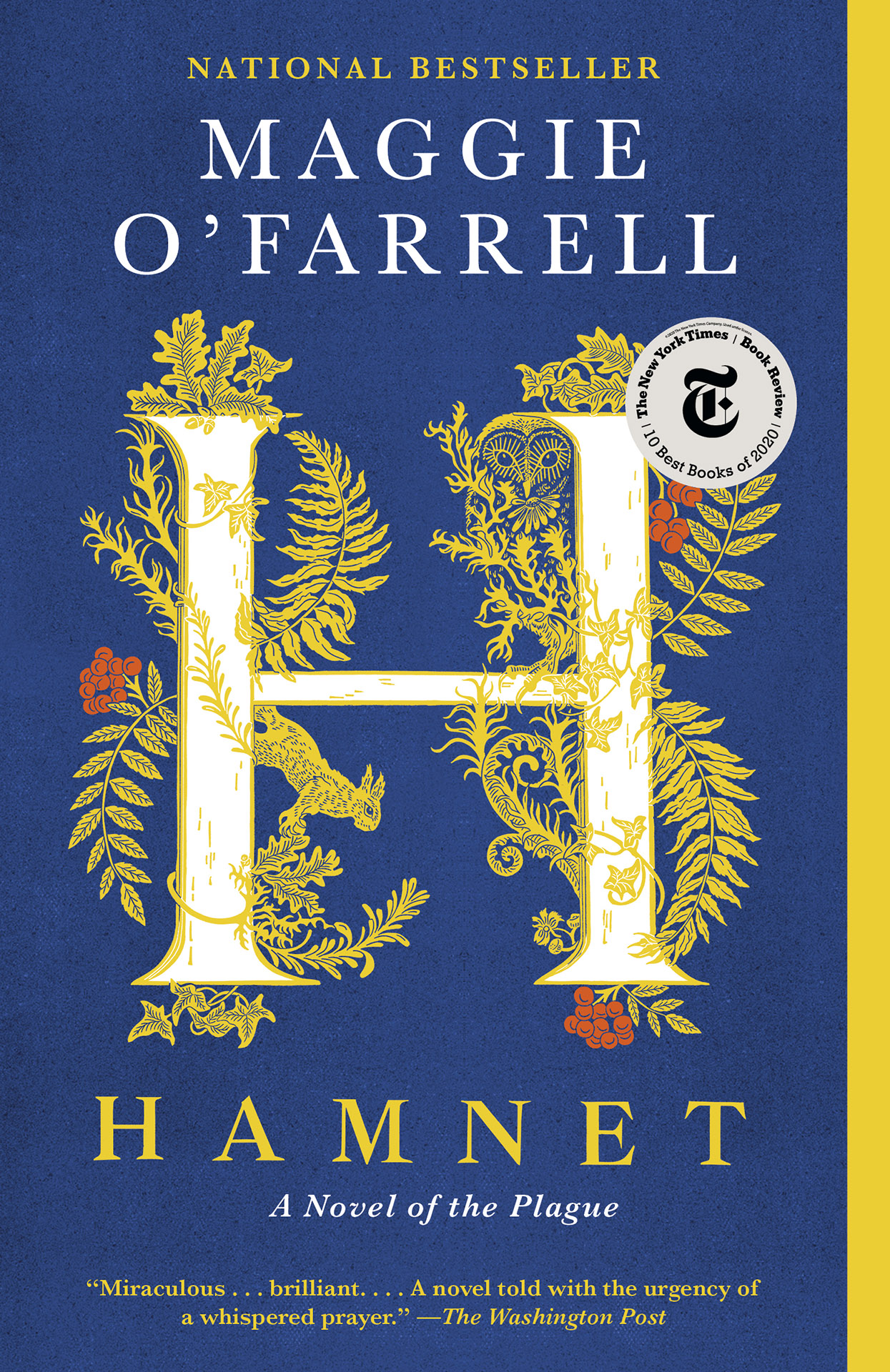
‘Hamnet’
by Maggie O’Farrell
My college professor who taught Shakespeare told my class that he didn’t care for “Hamlet” and thus refused to assign it as reading. I trusted his critique and never bothered to read the play. If you are similarly uninitiated and have consequently avoided reading the acclaimed novel “Hamnet” — or watching its recent, Oscar-winning film adaptation — because you’re worried you don’t have the proper prerequisites, then I have good news for you: “Hamnet” requires no prior reading. You can enjoy the novel’s rich descriptions of nature, love, loss, and the deplorable state of public health in the 16th century with or without an encyclopedic knowledge of the Bard.
— Madeline Sharaga, Program Assistant for Research, Teaching, and Learning, Widener Library
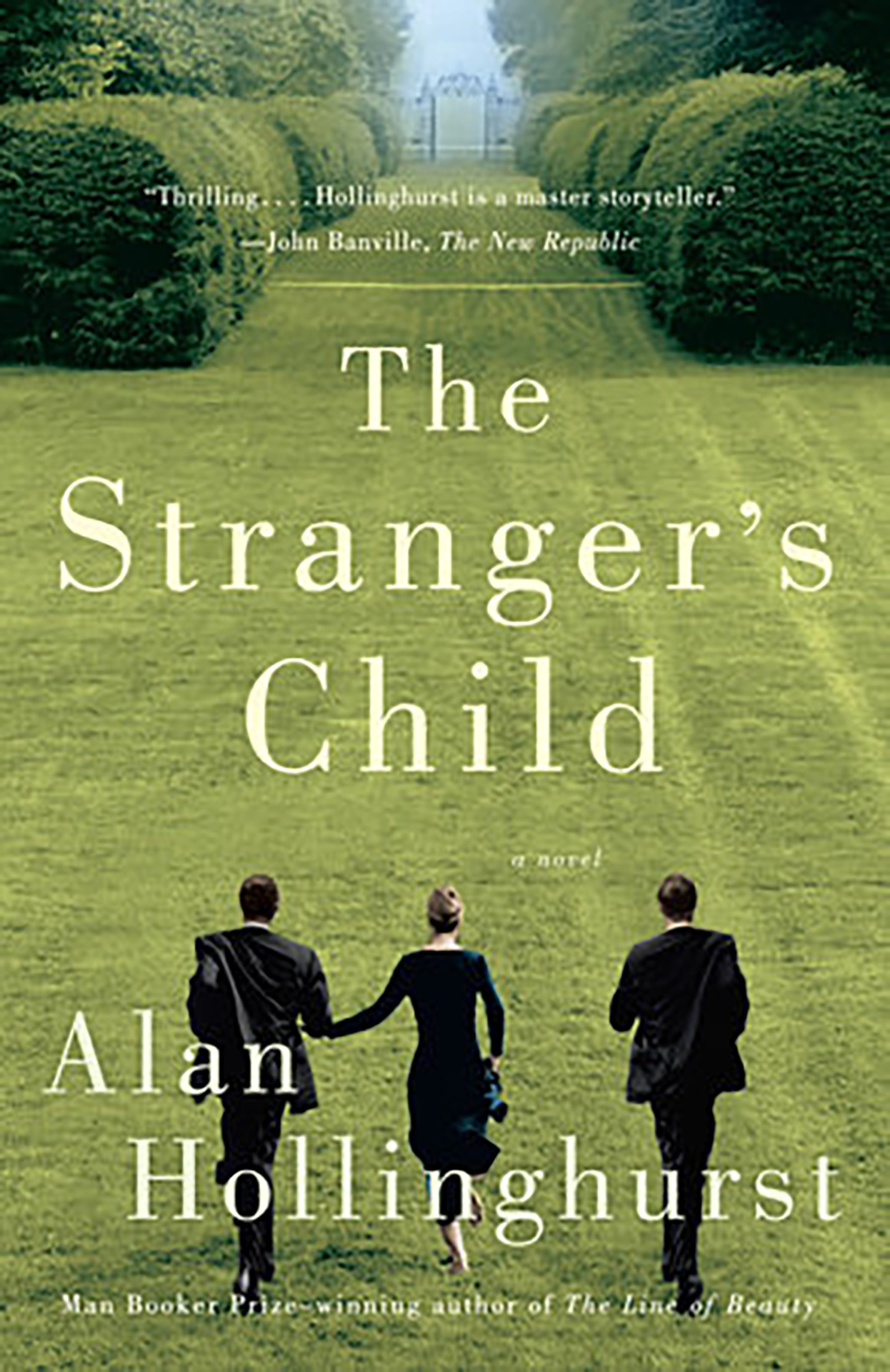
‘The Stranger’s Child’
by Alan Hollinghurst
Everything Booker Prize-winning author Sir Alan Hollinghurst has written has had the knack of taking the reader into surprising places. Human passion, thwarted desire, lazy accommodation, and even desperate depravity are all glimpsed in these shifting kaleidoscopic images. The cover image of one edition of “The Stranger’s Child” depicts a boxwood maze in an English country garden, an apt visual metaphor for the narrative labyrinth Hollinghurst pursues in this 2011 novel. His themes include hidden queer histories and how these were excavated in the wake of liberation movements of the mid-20th century. And perhaps more potently, there is a contemplation of history itself, human memory, and how time erodes and distorts what is recalled and known of the past. It’s a long, fascinating tale for those who enjoy more classically evocative epics of English prose.
— Steve Shutt, Bibliographic Assistant, Information and Technical Services
(Part-2: Science Fiction & Fantasy to be contibued. Reprinted with permission from the Harvard Gazette.)