H-1B Fight Heads to Congress After Court Ruling

Washington — A Republican congressman is pushing legislation to permanently impose a $100,000 H-1B visa requirement after a federal judge struck down U.S. President Donald Trump’s attempt to implement the measure through executive action.
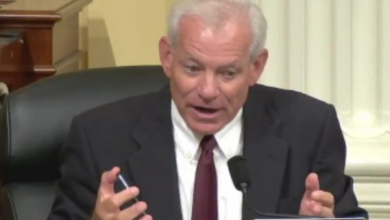
Rep. Mike Kennedy of Utah said Tuesday that Congress should enact the administration’s H-1B reforms through legislation after the court ruled that such a major change must come from lawmakers rather than the White House.
“An activist judge stepped in to strike down the President’s critical H-1B immigration reforms. The judge claims only Congress can do this? Fine,” Kennedy said. “I already introduced the PROTECT Act, which will codify the President’s H-1B reforms and make it the law of the land. We need to pass the PROTECT Act and put American workers first.”
The proposal could have major implications for Indian technology professionals, who receive the vast majority of H-1B visas issued each year.
Kennedy’s legislation, the Prioritizing Resources for Our Citizens and Talent Act, or PROTECT Act of 2026, seeks to reshape the H-1B program, which allows U.S. employers to hire foreign workers in specialty occupations.
The bill would require employers to pay H-1B workers at least $100,000 annually, adjusted for inflation, or the wage paid to a comparable U.S. worker, whichever is higher. It would also prioritize visa petitions offering higher salaries and tighten restrictions on workers placed at third-party worksites.
Kennedy said the legislation is intended to reduce employers’ incentives to hire foreign workers instead of Americans.
“Hard-working Americans deserve more than just an opportunity at American jobs; they deserve to be the priority,” he said. “Americans want to work, they want to provide for their families and better their communities. The PROTECT Act of 2026 will make sure they are first in line.”
The congressman argued that the program has strayed from its original purpose.
“The H-1B visa program was designed to fill genuine, documented gaps in the American workforce. Instead, it has served as a tool to replace qualified American workers with cheaper foreign labor,” Kennedy said in background materials released with the proposal.
He also said the program is “creating disincentives for future American workers to choose STEM careers, which threatens our national security.”
The legislation includes exemptions for certain healthcare professionals, including physicians, registered nurses, pharmacists, therapists and other direct patient-care workers, if employers can show they were unable to recruit qualified American workers.
The H-1B program was established by Congress in 1990 to help U.S. employers fill specialized positions requiring advanced skills. Technology companies, research institutions and healthcare providers are among the largest users of the program.
Indian nationals consistently account for the overwhelming majority of H-1B recipients. Proposed changes to eligibility, wages and employer requirements are closely watched by India’s technology sector, outsourcing companies and thousands of professionals seeking employment opportunities in the United States. (Source: IANS)