Zeenat Aman Reflects on Being Labeled a “Fallen Woman” in a Bygone Era
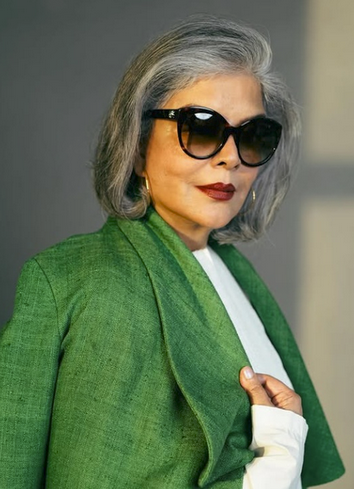

MUMBAI, India — Veteran actor Zeenat Aman has reflected on how she was once written off by the media during an earlier phase of her career, sharing a mix of sarcasm and introspection in a recent social media post.
On Monday, Aman posted a throwback image of an old magazine cover that declared her career “fallen.” In the accompanying caption, she wryly noted that the headline had not stood the test of time.
“I’m filing this magazine headline under ‘things that didn’t age like fine wine,’ though at least they chose a charming photograph of me,” she wrote.
Taking a pointed swipe at the publication behind the cover, Aman added that while the outlet itself no longer exists, her career has endured well into the era of streaming platforms.
“I don’t think this publication is around anymore, but guess which ‘fallen’ woman still is,” she wrote, before adding a message on resilience. “Take this as your Monday reminder that resilience is a virtue, and, to quote one of the youngsters on set recently, ‘haters gonna hate.’”
In a separate reflection, Aman revisited how the portrayal of female characters in Hindi cinema shifted rapidly over a short span of time, citing scenes from two of her films released just two years apart.
She noted the contrast between her character being harassed and slut-shamed in one film, and playing a more assertive, even aggressive, role in another. The stark difference, she said, highlighted how traditional gender roles were often reversed for dramatic effect.
“The truth is I can’t endorse Barkha’s approach, just as I couldn’t endorse Inspector Vijay’s,” she wrote. “Banter and mischief are excellent tools of courtship, but I think our industry sometimes took these to the extreme.”
Aman also acknowledged her own role in shaping popular ideas of romance on screen, saying many films from that era glorified obsession rather than depicting healthy relationships.
“Several of our films glorify obsession and limerence instead of real and healthy love,” she wrote. “Now I recognise that I have played a part in propagating the ludicrous idea of romance that Bollywood has exported to Indians everywhere.”
Her reflections were widely seen as a candid reassessment of both her career and the evolving conversation around gender, agency, and representation in Indian cinema. (Source: IANS)