India, U.S. Could Sign First Tranche of Trade Deal by July, Goyal Says
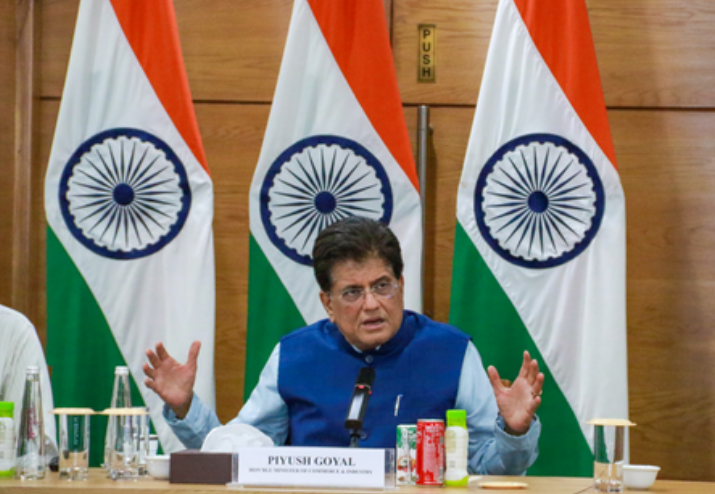

New Delhi — India and the United States could sign the first tranche of a long-awaited bilateral trade agreement as early as July, Commerce and Industry Minister Piyush Goyal said Monday.
Speaking to reporters on the sidelines of an event, Goyal indicated that negotiations between the two countries are nearing a crucial stage despite recent tariff-related concerns.
His remarks have raised expectations of an early breakthrough in trade talks that have been underway for months, with both sides seeking to strengthen economic ties and improve market access for businesses.
The proposed agreement is expected to boost bilateral trade and create new opportunities for Indian exporters in key sectors.
Goyal said discussions between officials from India and the United States have advanced considerably in recent weeks and that efforts are underway to resolve the remaining issues.
The latest comments build on statements made by the minister last week, when he highlighted the rapid pace of engagement between the two countries.
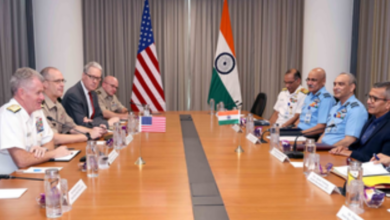
On June 5, Goyal said a full team of U.S. trade officials had visited New Delhi and held extensive discussions with their Indian counterparts to move the negotiations forward.
“We had a full team of officials from different divisions of trade from the U.S. in Delhi,” Goyal said.
According to the minister, both sides are working to close the remaining gaps in the proposed agreement and are focused on reaching a mutually beneficial outcome.
He expressed confidence that the first phase of the trade pact could be finalized by the middle of July, describing it as a “very vibrant first tranche” that would lay the foundation for deeper economic cooperation between the two countries.
The proposed trade agreement is seen as a key step in expanding India-U.S. economic relations as both countries look to diversify supply chains, increase investment flows and strengthen strategic partnerships across sectors.
If concluded, the initial tranche could pave the way for a broader and more comprehensive trade framework in the future. (Source: IANS)