

Mumbai–The first quarter of the 21st century proved to be a transformative phase for Hindi cinema, ushering in fresh narratives, new cinematic voices and a noticeable shift in storytelling sensibilities.
Between 2000 and 2025, Bollywood witnessed the rise of films that blended scale with substance, entertainment with introspection, and commercial appeal with social relevance. From star-making debuts and genre-defining spectacles to films that sparked conversations on education, mental health and identity, this era produced several works that went on to become cultural landmarks.
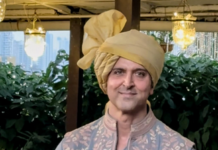
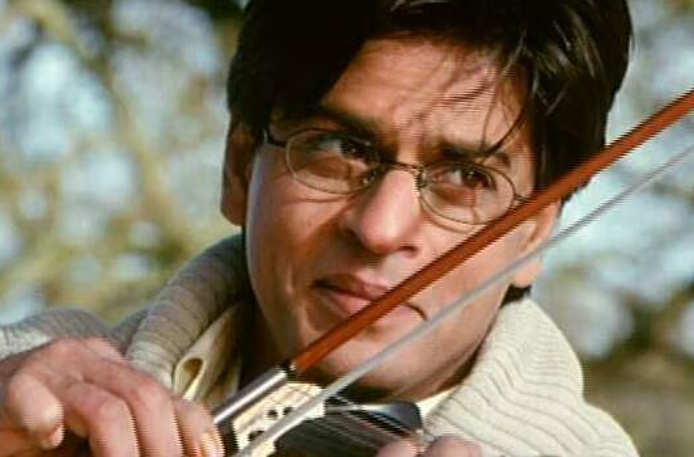
At the turn of the millennium, ‘Kaho Naa… Pyaar Hai’ (2000) launched Hrithik Roshan into instant superstardom. Directed by Rakesh Roshan, the romantic thriller became a youth phenomenon, remembered for its music, dual-role drama and mass appeal. That same year, ‘Mohabbatein’ (2000), directed by Aditya Chopra, brought together Shah Rukh Khan and Amitabh Bachchan in a musical romance that explored the clash between rigid discipline and youthful love.
Ashutosh Gowariker’s ‘Lagaan’ (2001) marked a defining moment in Indian cinema by using cricket as a metaphor for resistance against colonial rule. The film not only became a box-office success but also earned an Academy Award nomination, placing Indian cinema on the global map. In contrast, ‘Gadar: Ek Prem Katha’ (2001) struck a powerful patriotic chord with its Partition-era love story, turning Sunny Deol’s Tara Singh into an enduring mass hero.
Urban sensibilities found a fresh voice in Farhan Akhtar’s ‘Dil Chahta Hai’ (2001), which redefined friendship, relationships and coming-of-age narratives for a new generation. Around the same time, Karan Johar’s ‘Kabhi Khushi Kabhie Gham’ (2001) became a pop-culture milestone, blending family drama with opulence and memorable characters, particularly Kareena Kapoor Khan’s Poo.
Romance and heartbreak were poignantly portrayed in ‘Kal Ho Na Ho’ (2003), while Sanjay Leela Bhansali’s lavish adaptation of ‘Devdas’ (2002) stood out for its visual grandeur and emotional intensity, earning international recognition at the Cannes Film Festival.
A shift towards socially conscious yet entertaining cinema was evident with Rajkumar Hirani’s ‘Munna Bhai M.B.B.S’ (2003) and its equally impactful sequel ‘Lage Raho Munna Bhai’ (2005), which popularised the concept of ‘Gandhigiri’ and combined humour with human values. Similarly, ‘Rang De Basanti’ (2006) resonated deeply with the youth by linking revolutionary history with contemporary political discontent.
The mid-2000s also saw cinema addressing sensitive themes with empathy. ‘Taare Zameen Par’ (2007) brought dyslexia and academic pressure into mainstream discourse, while ‘3 Idiots’ (2009) used humour to question India’s education system, turning Aamir Khan’s Rancho into a generational icon.
Commercial cinema found renewed swagger with ‘Dabangg’ (2010), which introduced Salman Khan’s Chulbul Pandey, a character that went on to define the masala genre for years. The list culminates with ‘Dangal’ (2016), a sports biopic that combined emotional storytelling with national pride and emerged as one of India’s highest-grossing films globally.
Together, these 15 films reflect how Hindi cinema evolved in the first quarter of the 21st century—embracing new ideas, challenging conventions and creating stories that continue to resonate with audiences across generations.