Sheikh Hasina’s Son Accuses Biden Administration of Role in Bangladesh’s 2024 Political Upheaval
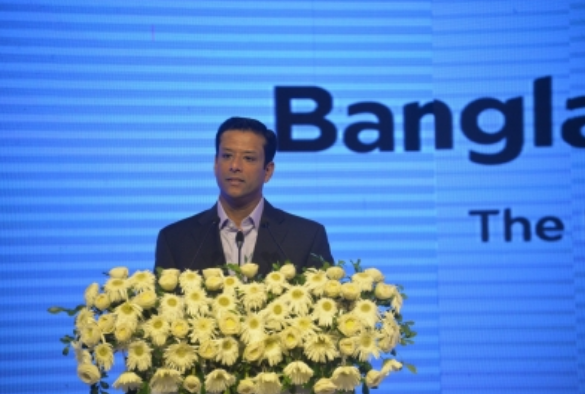

Washington — Sajeeb Wazed Joy, the son of former Bangladesh Prime Minister Sheikh Hasina, has accused the Biden administration of helping orchestrate the mass protests that forced his mother from power in August 2024, alleging that U.S. funding and democracy-promotion organizations played a role in the political upheaval.
Speaking at a Washington press conference organized by the Center for US-Bangladesh Relations, Joy claimed that the U.S. Agency for International Development (USAID) and American-backed organizations had supported groups involved in the demonstrations against Hasina’s government.
“Of course, the Biden administration was heavily involved through USAID funding to the tune of $50 million for this regime change,” Joy said.
He also accused the National Democratic Institute and International Republican Institute of helping organize and train groups that later participated in the unrest.
Joy did not provide documentary evidence demonstrating that U.S. government funds had been directed toward overthrowing Hasina. His allegations have not been independently verified.
The former prime minister’s son further claimed that American diplomatic pressure influenced the formation of Bangladesh’s interim government following Hasina’s departure.
He alleged that the U.S. ambassador in Dhaka played a role in persuading military leaders to support Muhammad Yunus as head of the interim administration.
The allegations were made during an event attended by former officials and supporters of Hasina’s Awami League party.
Joy also raised concerns about Bangladesh’s security situation following the collapse of his mother’s government, accusing the succeeding authorities of releasing convicted militants and allowing extremist organizations to regain influence.
He claimed that individuals associated with militant groups involved in attacks on foreign nationals had been released from prison and that Pakistan-linked extremist organizations had expanded their activities.
Joy specifically alleged that people associated with Lashkar-e-Taiba had appeared at public gatherings in Bangladesh.
He warned that such developments could threaten regional stability, particularly India’s security interests.
The allegations concerning militant activity and government involvement were not independently substantiated.
Turning to Bangladesh’s foreign relations, Joy accused the authorities in Dhaka of expanding cooperation with China while allowing Chinese companies to benefit from the country’s political transition.
He also alleged that corruption had influenced commercial arrangements involving Chinese businesses, although he did not provide independently verified evidence supporting those claims.
Joy questioned whether Bangladesh could fulfill major commercial commitments to American companies, including energy supplier Excelerate Energy and aircraft manufacturer Boeing.
“They’ve signed a contract for 29 Boeings. The government of Bangladesh does not have the money to pay for them,” he said.
He also claimed that American energy suppliers were not receiving full payments under existing agreements.
No responses from the companies or Bangladesh’s government were included in the account of the press conference.
Former senior Bangladeshi official Ahmad Kaikaus, who served during Hasina’s administration, separately expressed concern that political instability and weakening public institutions were undermining investor confidence and threatening economic growth.
Kaikaus urged the United States and other international partners to encourage political dialogue, respect for due process and peaceful democratic competition rather than contribute to further polarization.
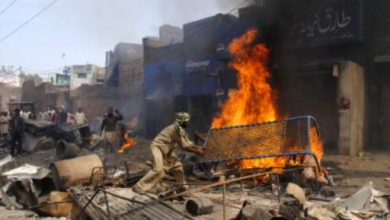
The accusations come more than two years after Hasina’s government collapsed amid widespread demonstrations in August 2024.
Her administration had faced mounting criticism over political repression, disputed elections and its response to anti-government protests before she was forced from office.
Joy’s allegations add to the continuing political dispute over the circumstances surrounding Hasina’s removal and the role of foreign governments in Bangladesh’s subsequent political transition. (Source: IANS)