Kaneria Says Pakistan’s T20 World Cup Boycott Sends Message of Fear
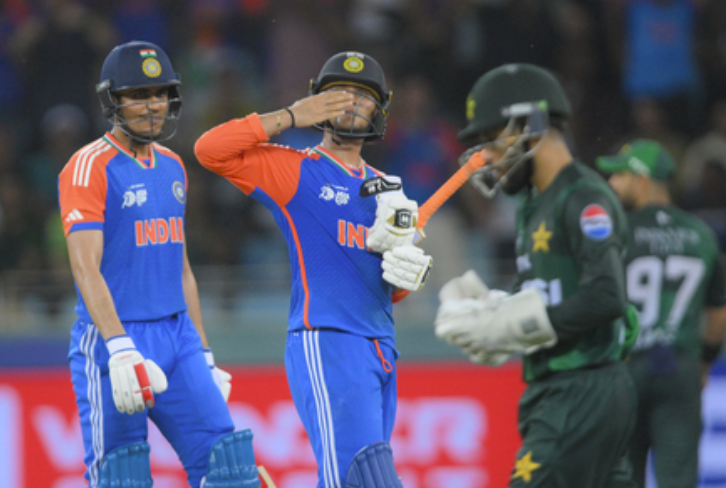

NEW DELHI, India — Former Pakistan spinner Danish Kaneria said Pakistan’s decision to boycott its T20 World Cup match against India will damage its own cricket more than anyone else’s, arguing that the move sends a message that Pakistan is afraid to face its arch-rivals.
The Pakistan government on Sunday cleared the national team’s participation in the ICC Men’s T20 World Cup 2026 but decided that the team will not play its scheduled group-stage match against India on February 15.
Kaneria said the decision lacked logic, especially given that the India-Pakistan match was slated to be played at a neutral venue in Sri Lanka.
“Pakistan had earlier requested that they would not come to India to play, and that request was accepted, so their matches were arranged at a neutral venue. In this World Cup, the India–Pakistan match was scheduled to be played in Sri Lanka,” Kaneria said.
“There is no logic in boycotting this match. Pakistan seems to think that it is supporting Bangladesh, which has already been knocked out of the tournament. But they should focus on their own cricket and where they are taking it. This sends a message that people will feel Pakistan are scared of facing India, which is why they are refusing to play,” he added.
Kaneria said the decision could have serious competitive consequences, making Pakistan’s route to the knockout stages significantly harder.
“With this decision, Pakistan has made its path to the semifinals or knockouts much more difficult. I think it’s a very, very wrong decision,” he said.
He also questioned the long-term relevance of the rivalry if Pakistan continues to avoid high-profile encounters. “If Pakistan believes that the India–Pakistan game is a revenue-generating cream, then that rivalry doesn’t really exist anymore, because Pakistan cricket is not playing brand cricket which India is playing,” Kaneria said, noting that India has consistently beaten Pakistan across World Cup formats.
Looking ahead to a possible India-Pakistan clash later in the tournament, Kaneria warned that the implications of the boycott could become even more severe.
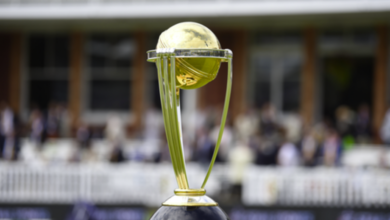
“Decisions like this increase the consequences. They did not think long-term,” he said. “You didn’t play the first match, but if tomorrow you meet India in the semifinal or final, will you just hand over the trophy by saying you won’t play the final?”
“You should come onto the ground, fight it out, and win from there—then it feels like you’ve taken revenge for everything. But boycotting like this doesn’t make any difference at all,” he added.
Kaneria also suggested that the decision may not sit well with players, even if they are unable to speak publicly.
“I think many Pakistani cricketers would be upset, but they are in a position where they cannot openly speak about it,” he said. (Source: IANS)