Report alleges China using Buddhist diplomacy to expand influence in Sri Lanka

COLOMBO, Sri Lanka — China is using Buddhism as a strategic tool to expand its political and ideological influence in Sri Lanka, according to a report that warns Beijing’s outreach could reshape the island nation’s religious and cultural landscape.
The report, published by Sri Lankan media outlet Ceylon Wire News, argues that what appears to be cultural diplomacy is in fact a broader effort by the Chinese Communist Party to embed its agenda into the spiritual and political life of the country.
“Sri Lanka, long celebrated as the cradle of Theravada Buddhism, is now facing a subtle yet profound erosion of its religious and cultural identity. At the heart of this transformation lies China’s strategic use of Buddhism as a soft-power tool, carefully woven into its broader Communist Party agenda,” the report states.
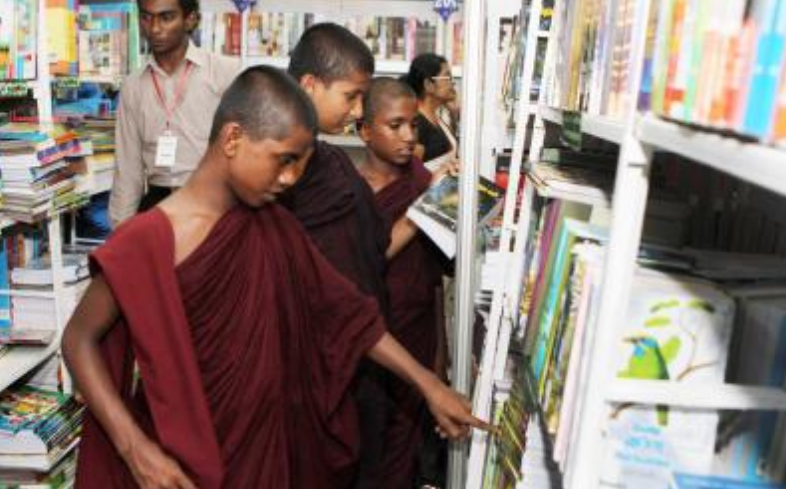
The report says Beijing has long recognized religion as an effective diplomatic tool and views Sri Lanka’s deep Buddhist traditions as an opportunity to build influence. China has sponsored temple renovations, cultural exchanges, and pilgrimages while presenting itself as a supporter of Buddhist heritage.
“While Beijing’s overtures are cloaked in the language of friendship and shared heritage, the underlying reality is one of ideological infiltration and cultural manipulation,” the report said.
According to the report, scholars have argued that China’s Buddhist diplomacy goes beyond cultural outreach and plays a role in advancing the foreign policy goals of the Chinese Communist Party.
“Scholars have noted that China’s Buddhist diplomacy is not merely about cultural affinity; it is a necessity for the CCP’s foreign policy, designed to soften its image while embedding party-to-party ties alongside state-to-state relations,” the report said.
The analysis also links China’s religious outreach to Sri Lanka’s economic relationship with Beijing, particularly under the Belt and Road Initiative.
Sri Lanka’s economic vulnerability has created opportunities for deeper Chinese influence, the report said, pointing to large infrastructure projects financed by Chinese loans.
“Costly infrastructure projects, such as the Hambantota Port, have left Sri Lanka struggling to repay loans, forcing concessions that deepen Chinese control,” the report stated.
More recent agreements have expanded beyond infrastructure into areas such as digital development, the report said, tying Sri Lanka’s digital economy plans to Chinese investment.
“This is not merely about financial assistance, it is about embedding the Communist Party of China’s ideological framework into the nation’s governance,” the report said.
The report concludes that economic engagement combined with cultural diplomacy creates what it describes as a dual front of influence that could reshape Sri Lanka’s institutions and cultural identity.
“By intertwining economic cooperation with CCP narratives of collective prosperity and obedience, Beijing ensures its political agenda permeates Sri Lanka’s institutions,” the report said.
The report warned that if left unchecked, such efforts could undermine Sri Lanka’s centuries-old Buddhist heritage.
“Leaving Sri Lanka’s Buddhist institutions vulnerable to becoming instruments of foreign propaganda rather than guardians of timeless wisdom,” it said. (Source: IANS)