Cold Wave and Severe Pollution Drive Surge in Heart and Respiratory Illnesses in Delhi: AIIMS
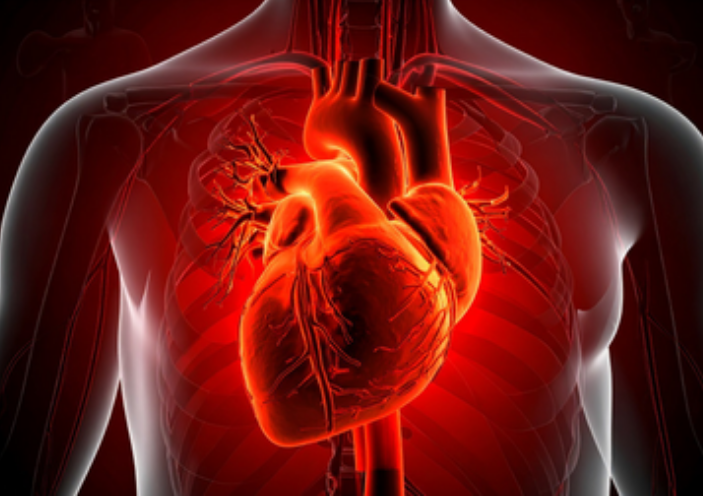

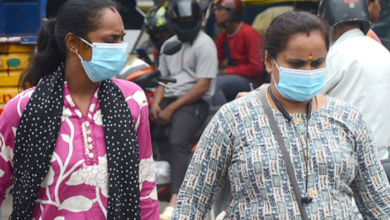
NEW DELHI, India — Prolonged cold wave conditions combined with severe air pollution are triggering a sharp rise in heart and respiratory illnesses across the national capital, doctors at the All India Institute of Medical Sciences have warned.
Health experts at AIIMS said they are seeing a growing number of patients suffering from cardiovascular and respiratory complications, particularly among the elderly, children, and those with pre-existing medical conditions.
Prof. Rajiv Narang, head of the Department of Cardiology at AIIMS, said cold weather significantly increases risks for patients with coronary artery disease and other cardiovascular conditions, largely due to reduced blood supply to the heart muscles.
“It is very cold these days, and there is much discussion about how to take care of your health. When it comes to heart disease, there are a few important things to keep in mind. Especially during winter, there is a tendency for blood pressure to rise,” Narang said.
He noted that many patients who previously had well-controlled blood pressure are now reporting elevated readings. Narang advised patients to monitor blood pressure at home at least twice a week and seek medical attention if readings exceed 140/90 mmHg. He also stressed the importance of maintaining a healthy diet and proper hydration during winter months.
Doctors also cautioned against early morning walks because of extreme cold and high pollution levels.
“It is very important to maintain body temperature during winter. Avoid going out in the early morning or late evening. Perform daily activities, especially for the elderly, during the daytime, preferably after 11 a.m. when the sun is up. Stay active, but do so safely,” said Dr. Abhijith R. Rao from the Department of Geriatric Medicine at AIIMS.
Respiratory specialists reported a significant increase in cases linked to cold exposure and polluted air. Dr. Sanjeev Sinha, professor of medicine at AIIMS, said cold air can directly trigger breathing difficulties.
“During a cold wave, exposure to cold air can trigger bronchospasm. When a patient inhales cold air through the nostrils, the airways can constrict, leading to narrowing or closure of the respiratory passages and difficulty in breathing,” he said.
Sinha said AIIMS Delhi has recorded a rise in outpatient and emergency cases involving chronic obstructive pulmonary disease, a condition often associated with smoking and prolonged exposure to indoor or outdoor pollution.
“Patients with COPD often present with coughing, wheezing, and breathlessness. Many of them come with acute exacerbations of chronic bronchitis, especially during cold weather. Due to increased exposure and lowered immunity, some patients also develop pneumonia,” he said.
He urged elderly people and those with chronic bronchitis, emphysema, COPD, or bronchial asthma to take extra precautions during cold wave conditions.
Paediatric concerns have also increased during the winter surge. Prof. Rakesh Lodha, a senior paediatrician at AIIMS, said young children are particularly vulnerable to cold-related illnesses.
“Young children are particularly vulnerable to problems caused by cold exposure. To protect them, they should wear warm clothing and be properly covered, including using a cap for their head. Handkerchiefs or scarves can also help reduce exposure,” Lodha said.
Doctors advised residents to limit exposure to cold and polluted air, monitor existing health conditions closely, and seek timely medical care as winter conditions persist in the capital. (Source: IANS)