Chip Roy Questions Texas State University Over Continued Employment of H-1B Worker
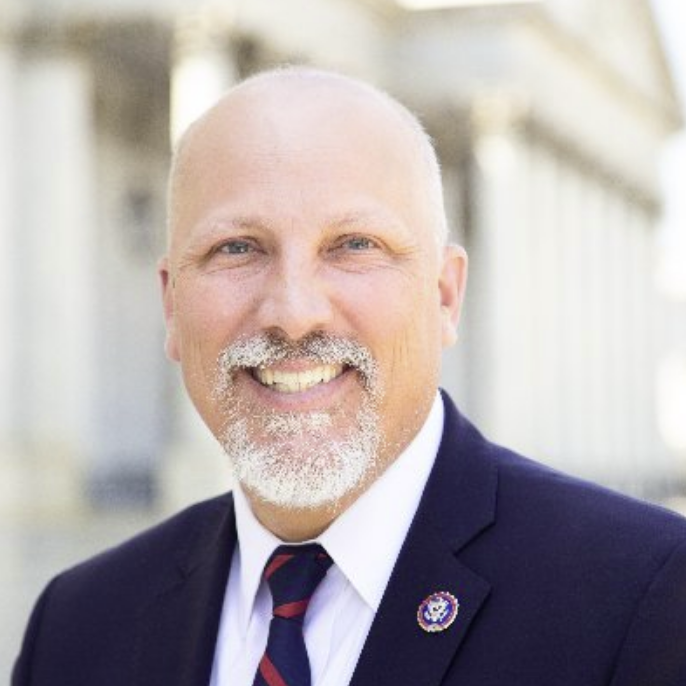

WASHINGTON — Republican Congressman Chip Roy has asked Texas State University to explain its continued employment of an H-1B visa holder, questioning whether the school made sufficient efforts to recruit qualified U.S. citizens for the position.
Roy, who represents Texas’ 21st Congressional District, sent a letter to university President Kelly R. Damphousse after Texas State renewed the employee’s contract for a public relations specialist role.
The university has said the filing involved an existing employee and graduate who already holds H-1B status rather than a new H-1B petition, according to Roy’s letter.
Roy said the clarification answered some questions but raised broader concerns about the university’s hiring practices. He asked whether Texas State had made a good-faith effort to identify a qualified U.S. citizen before retaining the worker.
The congressman noted that Texas State offers a Bachelor of Science degree in public relations and awards an estimated 140 degrees in the field each year.
He questioned why the university could not fill the position with one of its U.S. citizen graduates.
According to Roy’s letter, the employee originally attended Texas State as an F-1 international student before graduating and later securing employment with the university.
Roy said that sequence raised questions about whether the university helps international students transition from F-1 status to Optional Practical Training and eventually to the H-1B program for longer-term employment.
The letter comes as Texas officials increase scrutiny of H-1B hiring at state institutions.
Gov. Greg Abbott directed state agencies and universities on Jan. 27 to freeze new H-1B petitions until May 31, 2027, while reviewing their use of the program. On Aug. 19, Abbott also called on the state legislature to prohibit public higher education institutions from employing H-1B recipients statewide.
Roy asked Texas State to explain how it is complying with Abbott’s directive.
“The H-1B visa program does not serve the interests of Texas nor the nation,” Roy wrote.
He also supported stricter review of H-1B applications by the Trump administration, arguing that additional scrutiny could help determine whether applicants possess skills that are not readily available in the U.S. labor market and reduce displacement of domestic white-collar workers.
Roy cited data showing Texas among the leading states for Labor Condition Applications filed by employers seeking H-1B workers. He alleged that some employers and educational institutions may be overlooking qualified Texans in favor of lower-cost foreign labor.
He also cited a 2019 academic evaluation that concluded that “most H-1B workers have no more than ordinary skills, skills that are available in the U.S. labour market.”
Roy requested a response from Texas State by Sept. 3.
Among other information, he asked the university to disclose how many H-1B visa holders it currently employs, their occupations, educational qualifications, specialized skills and locations within the institution.
He also requested salary information dating from the employees’ hiring, prevailing wage levels for their occupations and details about whether the workers entered through the annual H-1B cap or were exempt from it.
The university was also asked to provide annual figures for H-1B employees hired since fiscal 2020, identify other positions for which it sought H-1B workers and disclose information about public job advertisements, salaries and other recruitment efforts aimed at U.S. citizens. (Source: IANS)