University of Michigan Opposes Proposed Changes to H-1B and Other Work Visa Extension Rules


WASHINGTON–The University of Michigan has urged the federal government to withdraw a proposed immigration rule change that would give officials greater discretion to reconsider previously approved employment-based visa petitions, warning that the measure could create uncertainty for employers and foreign workers seeking extensions.
In a notice published Wednesday, the university said it had submitted formal comments opposing a Department of Homeland Security proposal that would eliminate a requirement for U.S. Citizenship and Immigration Services (USCIS) to generally defer to earlier eligibility determinations when the underlying circumstances have not changed.
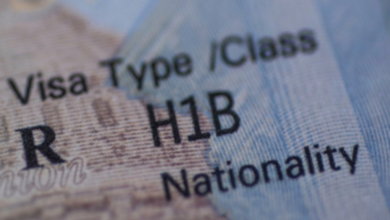
The proposed rule, published October 14, would affect several temporary employment visa categories, including H-1B, L-1, O-1, E-3 and TN classifications. The public comment period is scheduled to close November 13.
Under existing regulations, USCIS officers reviewing extension petitions filed on Form I-129 generally must give deference to previous approvals involving the same employer, employee and underlying facts.
The proposed change would eliminate that requirement, allowing immigration officers to reach different eligibility conclusions even when the circumstances of an application remain unchanged.
The University of Michigan warned that the revision could permit officers to reverse earlier determinations without providing a specific explanation for the change, “increasing uncertainty and the burden on petitioners seeking extensions of status”.
The university emphasized that it supports comprehensive reviews of immigration petitions but argued that eliminating the existing deference requirement is unnecessary because USCIS already has the authority to address applications that were previously approved in error.
DHS has defended the proposal, arguing that removing mandatory deference would reinforce the responsibility of employers and applicants to demonstrate eligibility for immigration benefits.
According to the department, the change would strengthen oversight of employment-based immigration petitions, improve the integrity of the immigration system and provide additional protections for American workers.
Although the proposal would remove the requirement to defer to earlier decisions, USCIS officers would still be permitted to consider previous approvals when evaluating extension requests.
The department also acknowledged that the rule could result in additional requests for evidence, requiring employers and other petitioners to spend more time collecting documentation and responding to immigration officials.
DHS estimated that an average of 208,429 petitions annually qualified for deference between fiscal years 2022 and 2025, representing approximately 30% of all Form I-129 petitions filed during that period.
The proposed rule could have implications for universities, research institutions and businesses that employ foreign professionals under temporary work visa programs, particularly those relying on H-1B visas to retain skilled workers.
The University of Michigan’s opposition comes as the federal government considers changes to how employment-based immigration petitions are reviewed, potentially affecting the predictability of visa extensions for employers and foreign nationals across the United States. (Source: IANS)