Conflict Disrupts Education for More Than 100 Million Children in Arab States, UNESCO Says

BEIRUT — Escalating conflict across the Middle East and North Africa has severely disrupted education for more than 100 million children in Arab states, leaving already fragile school systems at risk of collapse, according to a UNESCO report released Monday.
The crisis has affected education in at least 15 countries, disrupting learning for 52 million school-age children through school closures, reduced access or shifts to remote instruction. Nearly 30 million children in the region were already out of school before the latest escalation, the report said.
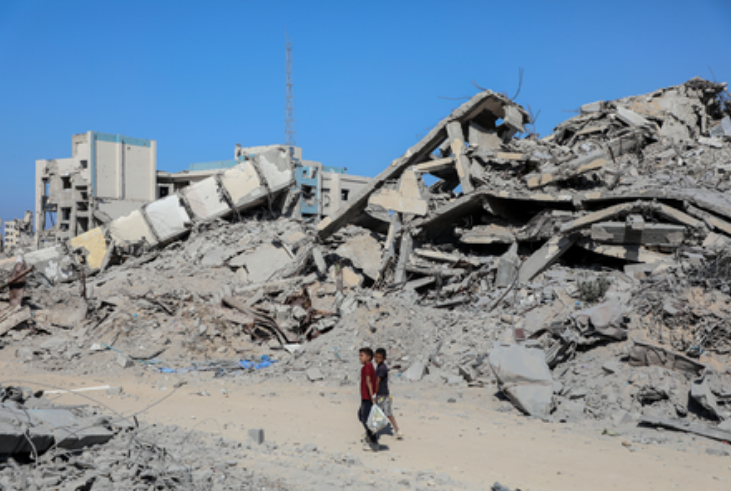
In the Gaza Strip, UNESCO described the education system as being near total collapse, with 97.5 percent of schools damaged or destroyed and more than 637,000 children out of school, according to Xinhua News Agency.
Lebanon has also been heavily affected. More than 1,100 public schools have been used as shelters, while at least 570 schools have been closed or are located in conflict zones, disrupting education for more than 240,000 students.
Across the region, schools have shifted to emergency and hybrid learning models, often with uneven access and inconsistent quality. UNESCO also cited rising psychological distress among students, along with growing risks of long-term learning loss and dropout.
In Syria, the situation has been worsened by the return of displaced people from Lebanon, adding pressure to an already fragile education system. Many returnees have urgent schooling needs, while overcrowded classrooms and the use of schools as shelters have left students with lost academic time and limited options for re-enrollment.
The effects have extended beyond frontline areas. In Iraq, about 7,500 schools serving two million learners have moved to online instruction, while Gulf countries have used temporary closures and remote learning as precautionary measures.
UNESCO warned that without urgent intervention, the region could face irreversible human capital losses and a “lost generation” of students.
The agency said it is expanding its emergency response through temporary learning spaces, digital platforms and psychosocial support. It also called for sustained international aid to maintain learning continuity and help rebuild more resilient education systems across the region. (Source: IANS)