India’s Medical Tourism Market Set to Reach $16.2 Billion by 2030: Government
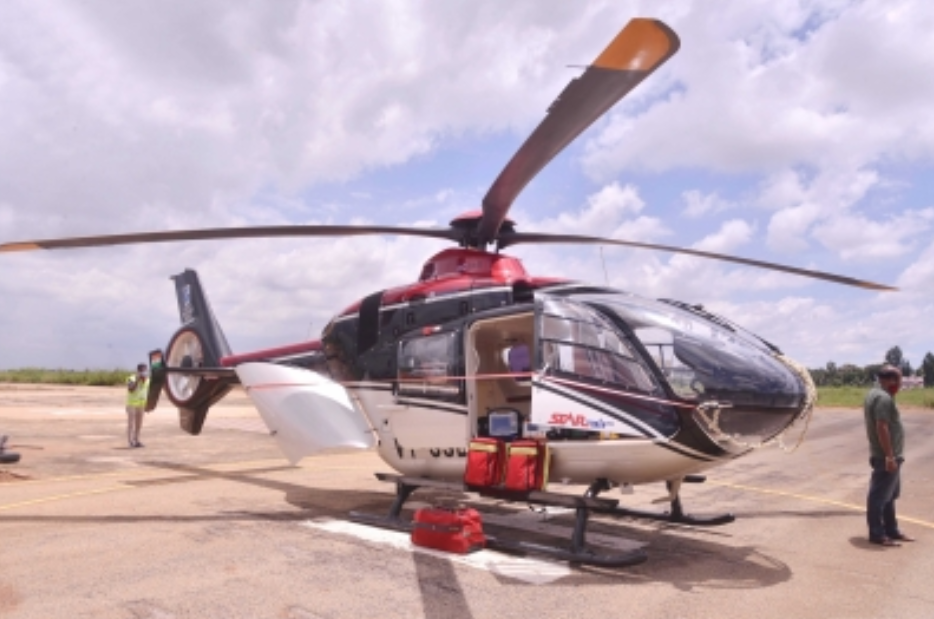

NEW DELHI — India is rapidly emerging as a global hub for medical travel, with its medical tourism market projected to nearly double from $8.7 billion in 2025 to $16.2 billion by 2030, according to a government statement released on Saturday.
Globally, the Medical Value Travel (MVT) market—covering patients who travel abroad for treatment—is also witnessing significant growth. Valued at approximately $115.6 billion in 2022, it is expected to reach $286.1 billion by 2030, growing at a compound annual rate of 10.8 percent.
Officials attribute this surge to rising healthcare costs, long waiting periods, and an increasing burden of lifestyle-related diseases worldwide, prompting patients to seek affordable and timely care in countries like India.
India’s growing appeal in the MVT sector is driven by a combination of advanced medical infrastructure and traditional wellness systems under AYUSH, including yoga and Ayurveda. Government initiatives such as the AYUSH Visa and the development of Regional Medical Hubs are further strengthening the ecosystem, alongside digital facilitation and policy support.
The country’s MVT framework is built on two key pillars: medical tourism for advanced clinical treatments and wellness tourism focused on preventive healthcare. This dual approach allows India to cater to a wide range of international patients seeking both curative and holistic care.
In 2025, India recorded 9.15 million foreign tourist arrivals, with more than 507,000 visitors traveling specifically for medical purposes—accounting for about 5.5 percent of total arrivals. The largest number of medical tourists came from countries including Bangladesh, Iraq, Uzbekistan, Somalia, Turkmenistan, Oman, and Kenya.
India’s standing in global healthcare travel continues to strengthen. According to the Medical Tourism Index 2020–21, the country ranks 10th among the top 46 medical tourism destinations worldwide and fifth among wellness destinations in the Asia-Pacific region.
The government also highlighted the role of quality assurance in boosting confidence among international patients. Many hospitals are accredited by the National Accreditation Board for Hospitals and Healthcare Providers (NABH), which enforces stringent standards for patient safety and care.
Looking ahead, the Union Budget 2026–27 has proposed the establishment of five Regional Medical Hubs, each integrating healthcare, education, and research facilities. These hubs are expected to include AYUSH centers and dedicated medical travel facilitation services, further positioning India as a leading destination for global healthcare. (Source: IANS)