
Great Nicobar Project Seen as Key to India’s Maritime Strategy
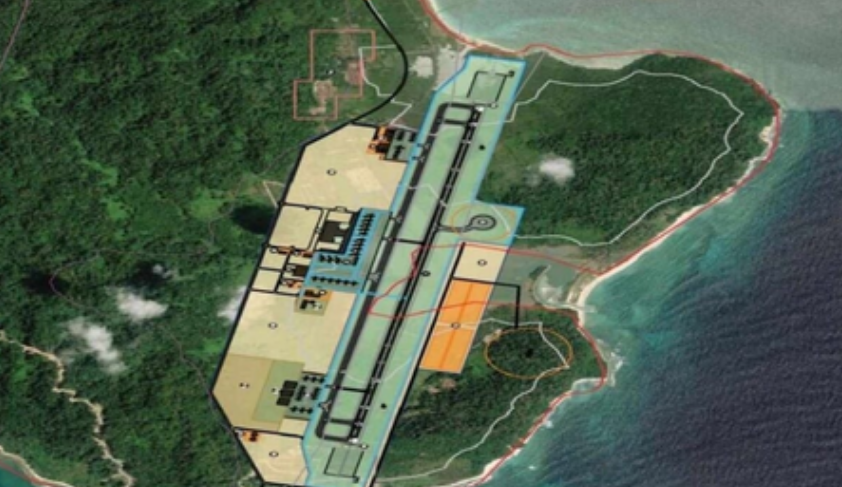

NEW DELHI — An industry leader has backed the Great Nicobar Project, saying the planned infrastructure push is important for protecting India’s communication routes, maritime interests and national security.
Speaking to IANS amid continuing debate over the project, Rawat said major infrastructure development, whether highways or strategic maritime hubs, should be viewed in the broader context of national interest.
“While ecological concerns are important, questions raised years after project approvals need to be viewed carefully, hinting that economic and strategic interests often drive such narratives,” he said.
Rawat said large-scale infrastructure projects, including national highways and developments linked to the Char Dham Yatra, can create ecological disruption. However, he added that mitigation efforts, including parallel greening initiatives, are also being undertaken.
On the Great Nicobar initiative, Rawat said India needs to secure its sea lines of communication and maritime ecosystem, especially as competition increases around strategic shipping routes.
“The project should be assessed in terms of its long-term benefits for safeguarding India’s oceanic interests and ensuring preparedness in a rapidly changing geopolitical environment,” he said.
According to an official statement, the Great Nicobar Project is intended to turn the island into a major strategic maritime and economic hub by using its proximity to the global East-West shipping route.
The development is expected to reduce India’s dependence on foreign transshipment ports such as Colombo and Singapore while strengthening its presence in the Andaman Sea and Southeast Asia.
The project includes a 14.2 million TEU international container transshipment terminal at Galathea Bay, a greenfield international airport, a 450 MVA gas-solar power plant and a planned township.
Officials say the port’s location, about 40 nautical miles from a major international shipping route, gives it a strategic advantage. Its natural deep-water depth of more than 20 meters is also expected to help attract global cargo traffic. (Source: IANS)