HinduPACT Report Examines U.S. Religious Freedom Commission’s Evolving Stance on Hindu Organizations

Washington, D.C. — HinduPACT has released a new research report analyzing two decades of reporting by the U.S. Commission on International Religious Freedom (USCIRF), highlighting what it describes as a shift toward stronger policy recommendations targeting Hindu organizations.
The report, titled “USCIRF Reporting on India (2007–2026): A Longitudinal Analysis of Narrative Frames and Hindu Organization Mentions,” examines USCIRF publications over a 20-year period. It finds that the commission’s language has evolved from general monitoring of religious freedom conditions in India to more direct recommendations, including calls to evaluate the Rashtriya Swayamsevak Sangh (RSS) for potential sanctions.
According to the study, this marks the first time USCIRF has moved from describing RSS as an “influential group” to suggesting punitive measures such as asset freezes and visa restrictions.
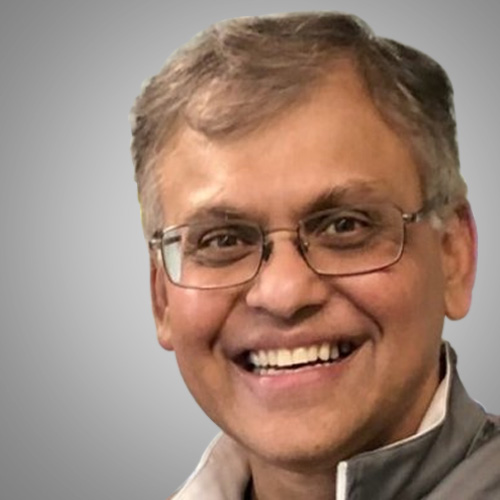
HinduPACT says the report is intended to inform policymakers, researchers, and the public about the broader implications of such recommendations. Ajay Shah, the organization’s founder and executive chair, said the framing of Hindu organizations in a sanctions context could have ripple effects beyond foreign policy.
“When a large Hindu social organization is discussed in the same sanctions framework as state agencies, the consequences extend to American Hindu communities,” Shah said.
The report argues that evolving narratives could contribute to misunderstandings about Hindu institutions, both in India and among diaspora communities in the United States. It also raises concerns about potential downstream effects, including increased scrutiny of Hindu nonprofits, donor hesitation, and broader social impacts such as stereotyping or bias.
HinduPACT emphasized that the study is presented as a research effort rather than advocacy, aiming to encourage discussion about how official U.S. reports characterize religious and cultural organizations and the potential impact on civil society.