UN Experts Raise Alarm Over Evictions Along Kathmandu River Corridors


KATHMANDU, Nepal — United Nations human rights experts on Monday expressed serious concern over Nepal’s forced eviction of thousands of people from informal settlements along river corridors in Kathmandu, warning that the demolitions may violate international human rights standards and Nepal’s constitutional protections.
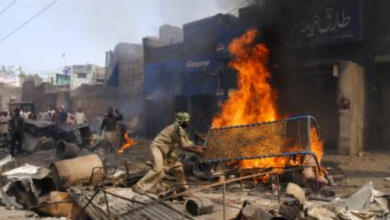
The Nepali government began bulldozing homes in riverside settlements on April 25 as part of a campaign to clear structures from riverbeds. Officials have said some residents were falsely claiming to be landless, while supporters of the move have defended it as necessary for urban management and river corridor restoration.
The campaign has also drawn criticism from domestic and international rights groups. Several displaced families have been moved to temporary housing centers in the Kathmandu Valley.
In a statement issued through the Office of the United Nations High Commissioner for Human Rights, the experts said they were deeply troubled by reports of large-scale evictions affecting people in vulnerable circumstances.
“We are deeply troubled by reports that thousands of people — many of whom are internally displaced and in situations of acute vulnerability — are being evicted without adequate safeguards,” the experts said. “Such actions risk violating Nepal’s obligations under international human rights law and its own constitutional protections.”
The experts noted that Nepal is a party to the International Covenant on Economic, Social and Cultural Rights, which protects the right to adequate housing and includes safeguards against forced evictions.
“Under international standards, evictions are permissible only in exceptional circumstances and must comply with strict safeguards,” the statement said.
According to the experts, authorities gave only 24 hours’ notice to residents in the Thapathali, Manohara and Sinamangal settlements before demolitions began.
“Such short notice fails to meet the requirements for meaningful consultation and adequate preparation,” the experts said. “Affected communities must be informed, consulted, and provided access to legal remedies and assistance.”
Evictions have also continued in Balkhu, Bansighat, Balaju, Sankhamul, the Anamnagar area along the Dhobikhola corridor and Kapan in Kathmandu district. The experts said they were appalled by reports that two residents were found dead during the demolition drive.
Prime Minister Balendra Shah has defended the government’s actions, saying in a recent Facebook post that no one would be left homeless and that the constitutional right to housing would be protected.
“The steps taken by the government are not aimed at displacing citizens, but at ensuring the right to housing and finding a sustainable solution,” Shah wrote, urging the public not to be misled by rumors or unnecessary panic.
Human Rights Watch, Amnesty International and the International Commission of Jurists had earlier sent a joint letter to Shah raising concerns about forced slum evictions and recent ordinances. The groups urged the government to use its parliamentary majority to strengthen protections for human rights, the rule of law, transitional justice and minority rights. (Source: IANS)