China’s New ‘Ethnic Unity’ Law Sparks Fears of Tighter Curbs on Minority Rights
Critics say the legislation formalises long-standing assimilation policies by expanding state control over language, religion, education, family life and even overseas activism.
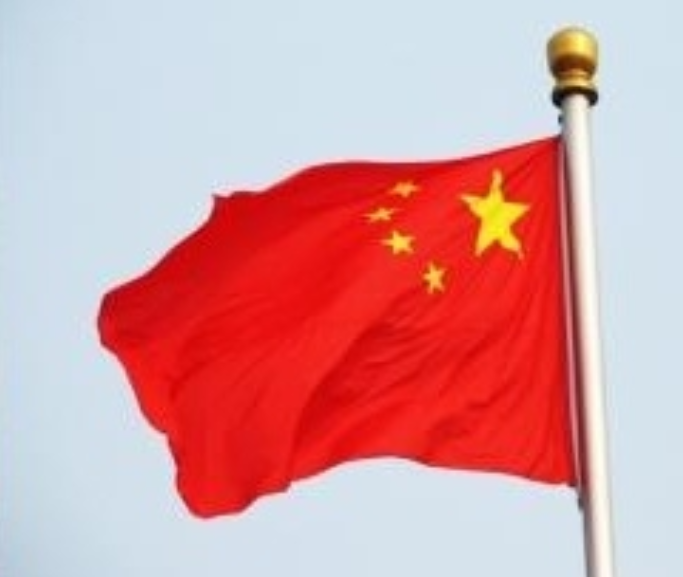

NEW DELHI– China’s new Law on Promoting Ethnic Unity and Progress, which came into effect on July 1, has triggered fresh concerns among human rights groups and Tibetan organisations, who argue that the legislation gives sweeping legal backing to policies aimed at assimilating the country’s ethnic minorities under the banner of “national unity.”
While Beijing has presented the law as a framework to strengthen harmony among China’s 56 officially recognised ethnic groups, critics contend that its broad provisions could further restrict the cultural, linguistic and religious freedoms of Tibetans, Uyghurs, Mongols, Hui, Kazakhs and other minority communities.
The law’s implementation prompted coordinated protests by Tibetan organisations across the world, including in Dharamshala, where demonstrators warned that the legislation institutionalises measures that have already weakened minority languages, religious traditions, education systems and family life.
At the centre of the controversy is Article 6, which identifies a “sense of the community of the Chinese people” as the foundation of ethnic unity while prohibiting acts that “undermine ethnic unity” or “create ethnic division.” Rights advocates argue that the law leaves these terms undefined, creating room for authorities to interpret peaceful cultural advocacy, religious expression or criticism of government policies as threats to national unity.
Human rights organisations, including Amnesty International, have warned that such broad language could pave the way for arbitrary enforcement against individuals promoting minority languages, documenting alleged abuses or campaigning on behalf of detained community members.
Another contentious provision, Article 10, bars interference by “foreign forces” in ethnic affairs and opposes attempts to use ethnicity, religion or human rights to undermine China. Critics say the wording risks portraying international scrutiny of Beijing’s human rights record as foreign interference, while potentially targeting activists, journalists and members of minority diasporas abroad.
Language and education emerge as key focus areas under the new law. Article 15 designates Mandarin as the primary language for teaching and official work, while Article 16 mandates the promotion of the concept of a unified Chinese national community throughout the education system, from classrooms and textbooks to online learning.
Observers point to Inner Mongolia as an example of how such policies have unfolded in practice. In 2020, authorities replaced Mongolian with Mandarin as the language of instruction for several core subjects, prompting protests, school boycotts and arrests. Human Rights Watch documented the subsequent crackdown, including censorship and the closure of the Mongolian-language social media platform Bainu.
Similar concerns have been raised in Tibet, where Chinese-medium education has steadily expanded while Tibetan-language instruction has declined. Rights groups have cited the imprisonment of Tibetan language advocate Tashi Wangchuk, who received a five-year sentence after campaigning for greater protection of Tibetan-language education.
The legislation also extends state oversight into family life. Article 20 requires parents and guardians to foster patriotism and loyalty to the Communist Party among children while discouraging ideas deemed harmful to ethnic unity. Critics argue that the provision could place traditional cultural and religious instruction within families under official scrutiny.
The law’s religious provisions have also drawn criticism. Article 46 requires religious institutions to promote the concept of a unified Chinese nation and advance the “Sinicization” of religion, while Article 62 links religious extremism with criminal liability. Rights organisations argue that similar policies in Xinjiang have already been used to justify restrictions on Islamic practices, Tibetan Buddhism and independent religious education.
Digital surveillance forms another pillar of the legislation. Article 31 encourages the use of artificial intelligence, big data and internet platforms to promote ethnic unity while requiring online service providers to remove and report content deemed harmful to national cohesion. Critics warn that the provisions could further strengthen China’s already extensive censorship and surveillance systems.
The law also introduces measures encouraging citizens to report activities considered harmful to ethnic unity, while extending legal liability to organisations, educational institutions, companies and online platforms that fail to act against such conduct.
Perhaps the most far-reaching provision is Article 63, which allows Chinese authorities to pursue legal action against organisations or individuals outside mainland China accused of undermining ethnic unity. Human rights advocates and foreign governments have expressed concern that the clause could provide legal justification for transnational repression targeting activists and diaspora communities overseas.
Analysts argue that the legislation codifies policies already implemented across Tibet, Xinjiang, Inner Mongolia and other regions, bringing together measures involving Mandarin-first education, religious regulation, digital surveillance, family oversight and tighter control over cultural identity under a single national legal framework.
As Tibetans around the world marked World Tibet Day and the birthday of the Dalai Lama on July 6, activists said the new law underscores growing concerns over the preservation of minority languages, religious traditions and cultural heritage in China, warning that legislation framed as promoting unity could instead deepen fears of cultural assimilation and erode space for peaceful expression. (Source: IANS)