Report Warns of AQIS Expansion in South Asia, Calls for Scrutiny of Pakistan’s ISI

AMSTERDAM — The growing presence of Al-Qaeda in the Indian Subcontinent and other militant groups in South Asia requires closer scrutiny of their possible links with Pakistan’s Inter-Services Intelligence, according to a report citing a recent United Nations assessment.
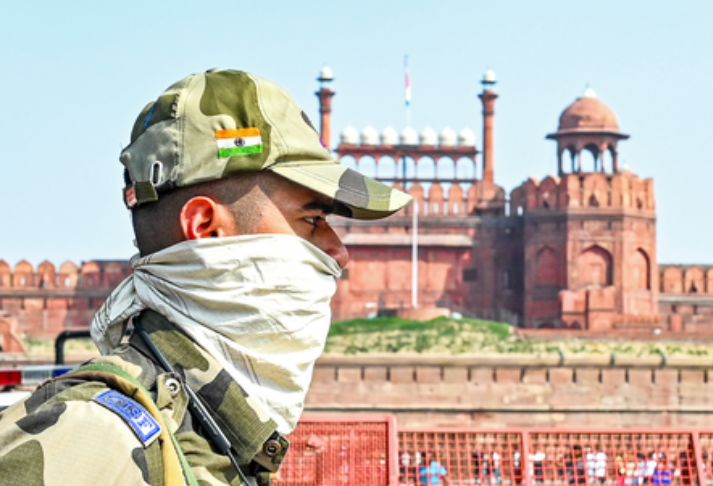
The report pointed to the November 2025 Red Fort suicide car bombing, which killed 11 people, as evidence that Pakistan-based militant groups continue to adapt their operations and remain a threat in the region.
A United Nations Security Council terrorism monitoring team recently attributed the Red Fort attack to Al-Qaeda in the Indian Subcontinent, or AQIS, and warned that the group is evolving from a fragmented network into a more decentralized regional organization.
The Analytical Support and Sanctions Monitoring Team said AQIS has developed logistics and financial networks while increasingly operating through small, dispersed cells rather than large units.
Junaid Qureshi, Director of the European Foundation for South Asian Studies, argued that the continued ability of militant groups to operate could indicate some form of logistical support or cooperation with Pakistan’s ISI.
“The ISI has mastered the art of creating new terrorist outfits which step into the shoes of other ISI-created terrorist groups operating in J&K once international pressure kicks in forcefully against the existing group,” Qureshi wrote in Rising Kashmir.
He said the prominence of militant groups operating in Jammu and Kashmir has shifted over the years from the Jammu Kashmir Liberation Front to Hizb-ul-Mujahideen, Lashkar-e-Taiba and Jaish-e-Mohammed as international pressure increased on individual organizations.
AQIS was established in 2014 by then-Al-Qaeda leader Ayman al-Zawahiri. According to the U.N. monitoring report, the organization has continued developing into a regional militant entity with decentralized cells and supporting financial and logistical networks.
Qureshi said such groups are unlikely to seize and hold territory in South Asia and are therefore more likely to rely on online radicalization, recruitment networks and propaganda.
He also called for increased scrutiny of extremist-linked religious schools, funding networks and online recruitment operations that could provide militant organizations with new recruits.
Indian security agencies should closely monitor both established groups such as Lashkar-e-Taiba, Hizb-ul-Mujahideen and Jaish-e-Mohammed and the emergence of international organizations such as AQIS, Qureshi said.
“The role of the ISI in strengthening such groups as part of a new strategy to keep violence alive in J&K in order to protect the pre-eminence of the Pakistani military establishment, especially, needs to be watched with a hawk’s eye and countered promptly and robustly,” he said. (Source: IANS)