Indian Scientists Develop Biodegradable Filter to Remove Industrial Dyes From Wastewater

NEW DELHI — Indian researchers have developed an environmentally friendly filtration technology that combines biodegradable nanofibers with naturally synthesized zinc oxide nanoparticles to remove harmful dyes from industrial wastewater.
The technology, developed by scientists at the Institute of Nano Science and Technology in Mohali, uses light and mechanical vibrations to break down pollutants, offering a potentially sustainable alternative to conventional wastewater treatment methods.
The institute operates under India’s Department of Science and Technology, and the research findings were published in the scientific journal Advanced Functional Materials, according to a statement Tuesday from the Ministry of Science and Technology.
Researchers created the filter by embedding zinc oxide nanoparticles into porous nanofibers made from polylactic acid (PLA), a biodegradable polymer.
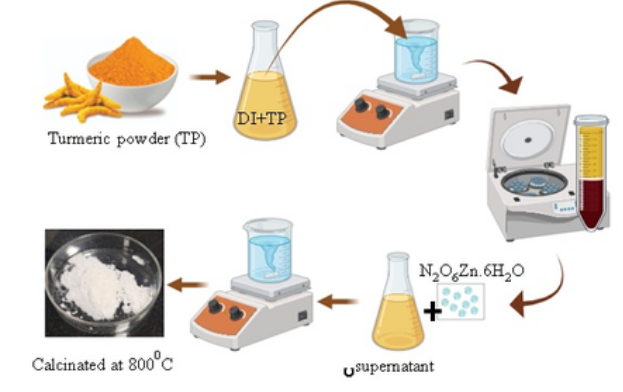
The zinc oxide nanoparticles were synthesized using turmeric extract, eliminating the need for potentially harmful chemicals commonly used in conventional nanoparticle production.
“Dr. Aviru Kumar Basu’s lab synthesised ZnO nanoparticles using turmeric extract, where naturally occurring bioactive compounds like curcumin, flavonoids and phenolic compounds acted as reducing and stabilizing agents, avoiding conventional synthesis routes involving harmful reagents,” the ministry said.
The filtration system combines two processes known as photocatalysis and piezocatalysis.
Photocatalysis uses light to activate chemical reactions that degrade pollutants, while piezocatalysis uses mechanical vibrations to generate electrical polarization that improves the breakdown of contaminants.
By combining the two processes, researchers were able to reduce the recombination of electrons and holes generated by light exposure, allowing more reactive chemical species to form and improving pollutant degradation.
The development addresses a significant environmental challenge posed by industrial wastewater, particularly from textile manufacturing, where synthetic dyes are frequently discharged into water systems.
Many industrial dyes are chemically stable, potentially toxic and resistant to natural degradation, making them difficult to remove through traditional treatment processes.
Conventional methods such as adsorption, sedimentation and flocculation can separate contaminants from wastewater but do not necessarily destroy the pollutants.
Biological treatment methods can also be relatively slow when dealing with persistent synthetic dyes.
Photocatalytic technologies offer an alternative by using light energy to chemically break down pollutants under relatively mild operating conditions.
However, conventional photocatalytic systems face several limitations, including the difficulty of recovering nanoparticles after treatment, separating catalysts from purified water and maintaining efficiency when light availability is limited.
The new PLA-zinc oxide filter seeks to address these challenges by immobilizing the catalytic nanoparticles within biodegradable fibers while using mechanical vibrations to enhance their performance.
The approach could reduce the need to separate loose nanoparticles from treated wastewater while improving contact between the catalyst and pollutants.
Researchers also incorporated machine learning into the development of the multifunctional filtration system.
The technology represents a potential advance in sustainable wastewater treatment, particularly for industries seeking more environmentally responsible methods of managing dye-contaminated effluent. (Source: IANS)