Boston Marks International Overdose Awareness Day as Overdose Deaths Decline

BOSTON — Boston officials and community partners will gather Monday to mark International Overdose Awareness Day, remembering thousands of residents lost to the opioid crisis while highlighting treatment, recovery and harm-reduction resources available across the city.
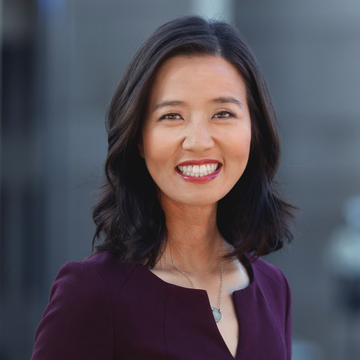
Mayor Michelle Wu and the Boston Public Health Commission are joining families, friends, advocates and overdose survivors ahead of International Overdose Awareness Day on Aug. 31 and the start of National Recovery Month in September.
Nearly 3,000 Boston residents have died from the opioid crisis since 2015, according to the city. At the same time, Boston has seen signs of progress: deadly overdoses fell 29% in 2025 compared with the previous year, marking the lowest number of fatal overdoses in the city in a decade.
“Too many families and friends have lost a loved one to an overdose, and today we remember and honor their lives,” Wu said. “Overdose deaths are preventable and all of us can play a part by knowing how to respond and checking in on our neighbors.”
The city’s efforts include expanded treatment access, naloxone distribution and community-based harm-reduction programs.
As part of Monday’s observance, volunteers, Boston Public Health Commission staff and state and local partners will plant more than 20,000 purple flags on Boston Common. The flags memorialize people across Massachusetts who have died from overdoses during the past decade.
For the first time, the annual flag planting will take place directly on International Overdose Awareness Day, on the morning of Aug. 31. Boston City Hall will also be illuminated in purple Monday night in remembrance of those who have died.
“Every overdose death is preventable,” said Dr. Bisola Ojikutu, Boston’s commissioner of public health. “By putting naloxone within reach, expanding access to evidence-based treatment, and strengthening trusted, community-based harm reduction services, we are saving lives.”
Recovery Month events planned across Boston
The city and its partners will also use September’s National Recovery Month to celebrate people in recovery and connect residents with services.
Among the scheduled events are:
- Nubian Square Recovery Day: Sept. 17 at the Roxbury Branch of the Boston Public Library. The event will feature artwork created by people in recovery, along with food, entertainment and health resources. It is a collaboration involving BPHC, the Nubian Square Task Force, Boston Public Library and the Mayor’s Office of Arts and Culture.
- Recovery Month Celebration Day: Sept. 24 at the Parkman Bandstand on Boston Common. BPHC and the Massachusetts Organization for Addiction Recovery will highlight recovery stories and connect attendees with treatment and support services.
Community health organizations are also playing a role in expanding access to overdose-prevention resources.
NeighborHealth Recovery Services has partnered with BPHC on harm-reduction efforts, including a 24/7 public health vending machine that provides naloxone and other resources.
“Every overdose is preventable, and every life is worth saving,” said Desiree Millett, LICSW, clinical administrative director of NeighborHealth Recovery Services. “Our 24/7 Public Health Vending Machine helps prevent overdose and demonstrates how community partnerships can save lives.”
Treatment and harm-reduction resources
BPHC operates one of the region’s largest systems of transitional support services for people living with substance use disorder.
The agency’s Mattapan Recovery Campus provides inpatient treatment and services to about 850 people each year. Its short-term programs focus on relapse prevention and behavior modification, while clients can also receive mental health services through a partnership with the Joseph Nee Collaborative Center.
Medical clinics operated in partnership with Boston Health Care for the Homeless provide additional care at the Mattapan campus and the Finland Building.
For residents seeking treatment without an appointment, BPHC’s AHOPE and PAATHS programs offer walk-in services at 774 Albany St. AHOPE provides harm-reduction services including syringe exchange, drug checking for fentanyl and xylazine, naloxone distribution and screening for HIV, hepatitis and other bloodborne illnesses.
PAATHS helps connect residents with treatment options, including withdrawal management, medication for opioid use disorder and outpatient programs.
Residents seeking substance-use support can contact PAATHS at 1-855-494-4057 or through 311.
The city also recently announced $600,000 in new Community Overdose Response Grants. The funding will go to community-based organizations working to prevent overdose deaths and expand treatment in neighborhoods experiencing the highest overdose rates, with an emphasis on Black and Latinx communities at increased risk.
BPHC also operates the Family Overdose Support Fund with HALO Initiatives. The program provides direct financial assistance