Trump, Modi to Work Out Tariff Dispute, White House Adviser Says

WASHINGTON — President Donald Trump and Prime Minister Narendra Modi are likely to work directly to settle differences between the United States and India over Russian oil purchases and potential tariffs, White House trade adviser Peter Navarro said Tuesday.
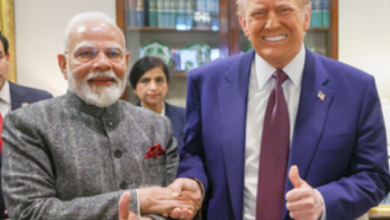
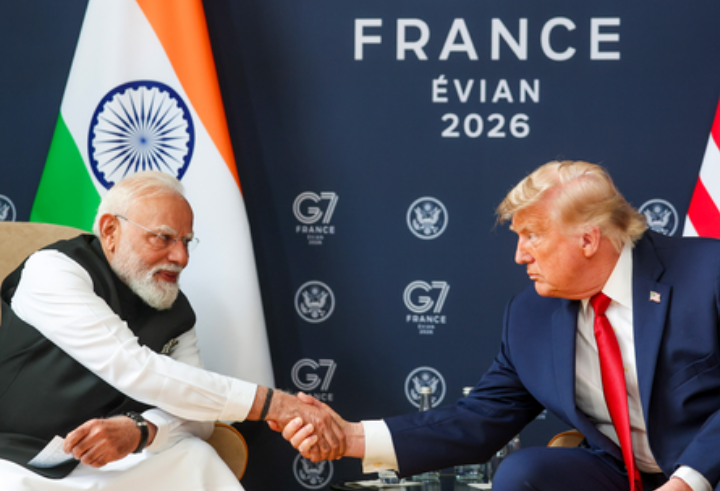
Navarro said the two leaders have a strong working relationship and suggested the dispute would ultimately be handled at the highest levels of both governments.
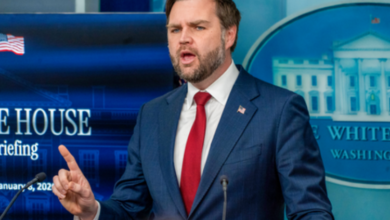
“The President and your prime minister have a very good working relationship,” Navarro told reporters at the White House. “They are going to work that out amongst themselves, and it’s not for me in any gaggle to get between that.”
His comments came in response to a question about legislation that could impose tariffs of up to 100 percent on countries that continue purchasing Russian energy.
Asked whether the proposed measure, along with ongoing U.S.-India trade negotiations, could put additional pressure on bilateral relations, Navarro did not directly address the tariff threat.
Instead, he referred to an opinion piece he previously wrote for the Financial Times criticizing India’s purchases of Russian oil following Moscow’s invasion of Ukraine.
“Prior to the Russian invasion of Ukraine, India was not involved in the oil trade with Russia, but afterwards it got heavily involved,” Navarro said.
He also accused India of profiting from trade involving Russian crude and argued that the transactions had helped support Moscow’s war effort. He did not provide figures during the briefing to support those claims.
Navarro later said the matter had been resolved, though he did not specify what agreement had been reached or whether he was referring specifically to Russian oil purchases or India’s exports of refined petroleum products.
“And that issue has been resolved,” he said. “Maybe I had a little bit to do with that with that op-ed.”
The comments come as Washington and New Delhi continue negotiations over trade and seek to manage disagreements over tariffs and energy policy.
Navarro also used the briefing to defend the Trump administration’s broader tariff strategy, arguing that higher import duties were encouraging foreign companies to invest in U.S. manufacturing while also boosting domestic investment.
“The signature there are the tariffs, which are bringing onshore both dollar investment from foreigners when they’re building here to avoid the tariffs, but also indigenous investment here,” he said.
While acknowledging that inflation continues to create financial pressure for many Americans, Navarro said the administration’s tax, trade and deregulation policies were beginning to strengthen construction and manufacturing.
“We all understand that we’re grappling with inflation and problems that are creating hardship for Americans; we understand that,” he said.
The Senate last week approved the Lindsey O. Graham Sanctioning Russia and Iran Act of 2026 in an 86-11 vote. The legislation authorizes tariffs of up to 100 percent on goods from the five largest purchasers of Russian oil and gas and from leading countries involved in sanctions evasion.
India is not automatically designated as a tariff target under the measure. (Source: IANS)