India Faces Tariff Risk as US Senate Passes Sweeping Russia Sanctions Bill
The bill could expose major Russian energy buyers to tariffs of up to 100 per cent.

Washington, Aug. 8 (IANS) — India could face a fresh trade risk with the US after the Senate passed a sweeping Russia sanctions bill that could impose tariffs of up to 100 per cent on countries that continue to purchase large volumes of Russian energy.
The Lindsey Graham Sanctioning Russia and Iran Act of 2026 passed the Senate by an overwhelming 86-11 vote and now moves to the House of Representatives, where senior Democrats have already raised objections to its tariff provisions.
The legislation does not specifically name India in its statutory text. Instead, it requires the US administration to identify countries based on trade data.
Under the bill, countries could be targeted if they rank among the five largest importers of Russian crude oil, the five largest importers of Russian natural gas, or the five leading countries facilitating Russian oil sanctions evasion.
The determinations would be based on the most recent 12-month period and reviewed every 180 days.
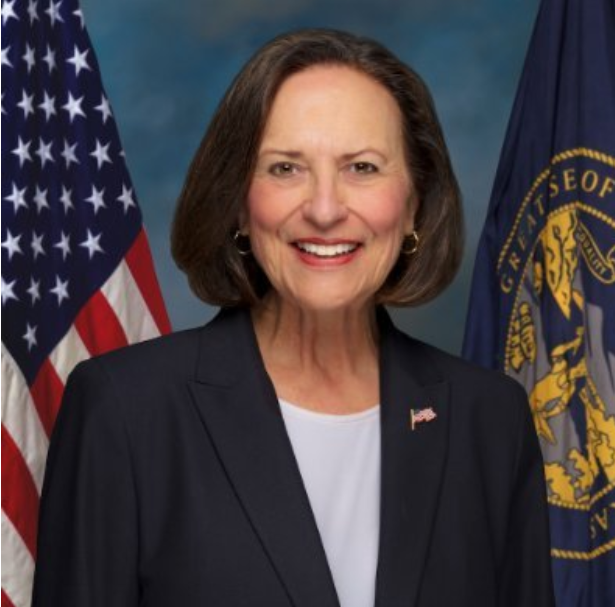
India, China and Brazil were specifically mentioned by Republican Senator Deb Fischer in a statement supporting the legislation, although those references are not part of the bill’s statutory language.
“The Kremlin’s war machine runs on the money it makes from selling cheap oil and gas to countries like China, India, and Brazil who then profit by reselling Russian energy at a markup,” Fischer said. “It is long overdue for these enablers to pay a price.”
Fischer said the legislation is intended to pressure some of the world’s largest purchasers of Russian energy to reduce their dependence on Moscow.
Sanctions Target Russia’s Energy Network
Beyond the potential tariffs, the legislation would impose primary and secondary sanctions against Russian officials, oligarchs and their family members, as well as banks and other financial institutions.
It would also target foreign actors supporting Moscow’s war in Ukraine and Russia’s so-called shadow fleet, a network of vessels used to transport oil and circumvent international sanctions.
“Today we say to the people of Ukraine, you are not alone. And we say to Vladimir Putin, you will not conquer Ukraine,” Democratic Senator Richard Blumenthal said.
The legislation is named after Republican Senator Lindsey Graham, who negotiated an agreement with the White House before his sudden death on July 11. Senators accelerated work on the legislation following his death.
The bill would also extend the Iran Sanctions Act of 1996 through 2031. The law penalizes companies that invest in Iran’s energy sector.
Democrats Raise Concerns Over Tariff Powers
The bill’s tariff provisions became a major point of contention during Senate consideration.
An amendment introduced by Republican Senator Rand Paul and Democratic Senator Ron Wyden to remove the tariff provisions failed by a 32-64 vote.
Democratic Senator Raphael Warnock lifted his hold on the legislation after US Trade Representative Jamieson Greer provided a written commitment that the administration would implement the law as written.
“Let’s be clear: Putin is a war criminal, and his war machine must be stopped,” Warnock said. “But we should not have to choose between putting a check on Putin’s aggression and putting a check on this president’s tariff regime.”
The legislation now faces uncertainty in the House, where Democratic lawmakers have already criticized the breadth of the proposed tariff authority.
House Foreign Affairs Committee ranking Democrat Gregory Meeks and Representative Don Beyer said the Senate legislation would give President Donald Trump sweeping tariff authority while retaining broad presidential waiver powers over sanctions.
“But the current text is unacceptable,” they said.
The House is currently in recess until August 31 and has not indicated whether it will take up the Senate measure.
The House did pass a separate Russia sanctions and Ukraine aid bill in June, after supporters used a discharge petition to force a vote.
For India, the Senate action adds another layer of uncertainty to an already closely watched US-India trade relationship. Although India is not explicitly named in the sanctions legislation, its position among the world’s major purchasers of Russian crude means it could potentially come under scrutiny if the administration’s trade-data review places it among the countries covered by the bill.
The ultimate impact on India will depend on how the legislation is implemented, whether the House takes it up and passes it, and how the administration determines which countries fall within the bill’s tariff provisions. (Source: IANS)