T20 World Cup 2026: Ten Players Who Could Define the Tournament

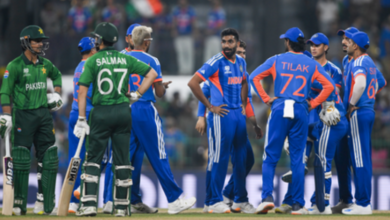
NEW DELHI, India — The ICC Men’s T20 World Cup 2026 gets underway this weekend, with India and Sri Lanka co-hosting a tournament shaped as much by conditions as by star power.
The dual-host format presents a contrast in challenges. Batting-friendly pitches across much of India are expected to reward aggressive strokeplay and high-scoring contests, while Sri Lanka’s slower surfaces are likely to test patience, adaptability, and spin-bowling skill. In such a setting, tournaments are rarely decided by squad depth alone. Instead, they often turn on decisive moments — a dominant powerplay, a spell that chokes the middle overs, or a nerveless performance at the death.
History suggests a handful of players usually end up shaping the narrative. Here are ten cricketers who appear well placed to leave a lasting mark on the 2026 edition.
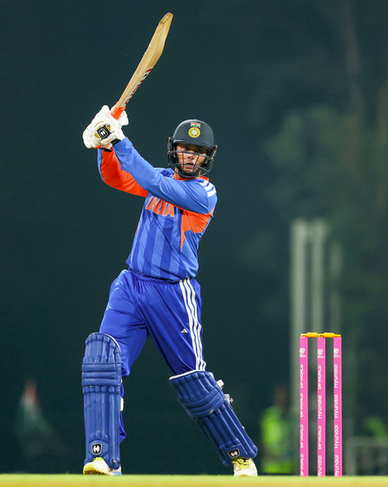
Abhishek Sharma (India)
India’s modern T20 approach is built on intent, and Abhishek Sharma embodies that philosophy. As an opener, he treats the powerplay as an opportunity to dominate rather than a phase to survive. Comfortable against pace and bounce, he thrives in Indian conditions and has the ability to dismantle bowling attacks early. If he carries his recent form into the tournament, India’s top order could become especially difficult to contain.
Travis Head (Australia)
Few batters shift momentum as quickly as Travis Head. His aggressive scoring forces captains into defensive fields and often disrupts bowling plans within a few overs. Head’s experience in subcontinental conditions adds to his value, giving him the versatility to adapt without losing his attacking edge. In a format where pressure can swing rapidly, he remains one of Australia’s most dangerous weapons.
Wanindu Hasaranga (Sri Lanka)
Sri Lanka’s prospects on home soil are closely tied to Wanindu Hasaranga. The leg-spinner is adept at striking with both the new ball and during the middle overs, a rare skill in T20 cricket. His variations and tactical awareness make him particularly effective on slower pitches. Combined with his improving lower-order hitting, Hasaranga offers match-winning impact in multiple disciplines.
Hardik Pandya (India)
Big tournaments often demand players who can manage chaos, and Hardik Pandya has made a career of doing just that. Whether finishing an innings, delivering a key over, or lifting intensity in the field, his influence goes beyond raw numbers. For India, he provides balance and leadership during high-pressure moments, qualities that can be decisive in knockout matches.
Quinton de Kock (South Africa)
Quinton de Kock blends elegance with power as seamlessly as any batter in the game. His return to international cricket restores authority at the top of South Africa’s lineup. De Kock’s strength lies in controlling the powerplay with composure, forcing bowlers to search for breakthroughs. When he bats deep, South Africa’s chances of posting or chasing big totals improve dramatically.
Varun Chakaravarthy (India)
Varun Chakaravarthy’s resurgence has been one of Indian cricket’s quieter success stories. No longer viewed solely as a mystery spinner, he now combines deception with control and planning. His effectiveness in the powerplay sets him apart, especially on turning wickets where his range of deliveries can trouble aggressive openers.
Rashid Khan (Afghanistan)
Rashid Khan continues to define excellence in T20 bowling. Years of franchise experience across the world have sharpened his adaptability and composure. Beyond his wicket-taking ability, Rashid controls the tempo of the game and thrives under pressure. For Afghanistan, he remains both their biggest star and their most reliable match-winner.
Phil Salt (England)
England’s aggressive T20 philosophy is reflected in Phil Salt’s approach at the top of the order. He looks to seize control immediately, rarely allowing bowlers to settle. While Sri Lanka’s slower pitches may test his shot selection, his fearless style aligns perfectly with England’s tactics. If he survives the early overs, matches can tilt quickly in England’s favor.
Azmatullah Omarzai (Afghanistan)
Afghanistan’s rise has been fueled by multi-skilled players, and Azmatullah Omarzai fits that mold. A powerful middle-order batter and a capable pace bowler, he provides balance and flexibility. Against stronger teams, his ability to contribute in multiple phases often proves crucial, making him a valuable asset in a long tournament.
Jasprit Bumrah (India)
In a format dominated by batters, Jasprit Bumrah stands out for his control. His mastery of pace, angles, and variation allows him to influence both the powerplay and the death overs. Playing in familiar conditions only enhances his effectiveness. As matches tighten and margins shrink, captains increasingly turn to Bumrah as their most trusted option.
The 2026 T20 World Cup is set up as a contest of contrasts — power against precision, aggression against adaptability. While squads are filled with talent, these ten players appear especially capable of producing the moments that decide matches.
In a tournament where a single over can change everything, their performances may well determine who lifts the trophy.