New H-1B Selection Rule Projects Major Economic Gains, Faces Timing Scrutiny
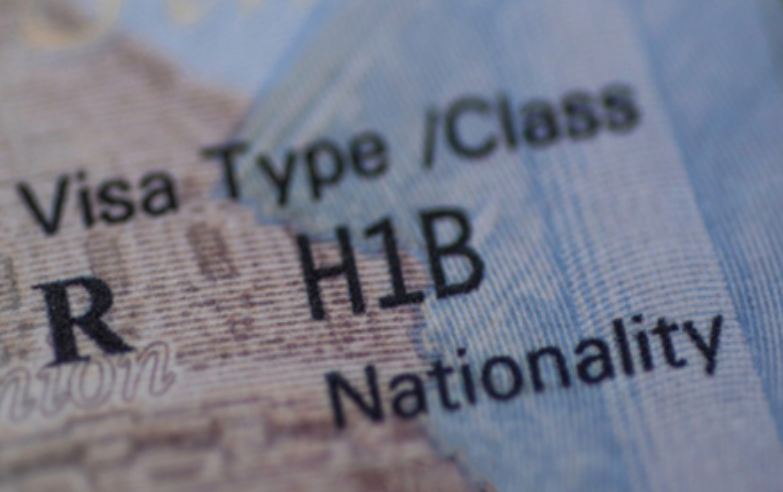

WASHINGTON, D.C. — A new U.S. rule changing how H-1B work visas are selected is projected to deliver significant economic benefits over the next decade, but may be taking effect sooner than federal law allows, according to a report released by the Government Accountability Office.
The GAO said the Department of Homeland Security’s revised H-1B selection rule is expected to generate more than $20 billion in economic benefits between 2026 and 2035, while costing an estimated $303 million to implement over the same period.
However, the watchdog raised concerns about whether the rule complies with timing requirements under the Congressional Review Act.
“The rule has a stated effective date of February 27, 2026,” the GAO said, noting that this is “less than 60 days from the date of receipt by Congress.”
Under the Congressional Review Act, major federal regulations are generally required to wait at least 60 days after publication or receipt by Congress before taking effect.
According to the GAO, the rule was received by Congress and published in the Federal Register on December 29, 2025. The House of Representatives received it on the same day, while the Senate received it on January 5, 2026.
The GAO sent its findings this week to the leadership of the Senate and House Judiciary Committees, which oversee immigration policy and the Department of Homeland Security.
The regulation, titled “Weighted Selection Process for Registrants and Petitioners Seeking To File Cap-Subject H-1B Petitions,” changes how U.S. Citizenship and Immigration Services selects H-1B registrations that are subject to the annual cap set by Congress.
According to DHS, the rule introduces a weighted selection system that will generally favor higher-skilled and higher-paid foreign workers. At the same time, the department said the system will continue to allow employers to hire H-1B workers across all wage levels.
DHS said the goal of the change is to better align the H-1B program with congressional intent.
The GAO reviewed the rule under federal law requiring it to assess whether agencies have followed proper procedures when issuing major regulations. As part of that review, the watchdog examined DHS’s cost-benefit analysis.
DHS estimated total benefits from the rule at approximately $20.08 billion between fiscal years 2026 and 2035, with net benefits to the public of nearly $19.78 billion over the same period. The department also projected total transfers of about $34.34 billion over the 10-year span.
The GAO said DHS determined that the rule would have a significant economic impact on a substantial number of small businesses and therefore prepared a final regulatory flexibility analysis. DHS also concluded that the rule does not include a federal mandate under the Unfunded Mandates Reform Act and did not issue a separate statement under that law.
According to the GAO, DHS first published a proposed version of the rule in September 2025 and received comments from a wide range of stakeholders, including U.S. workers, companies, law firms, professional organizations, advocacy and nonprofit groups, universities, healthcare providers, and trade and business associations.
DHS said it reviewed and responded to those comments in the final rule.
The H-1B visa program is the primary pathway for skilled foreign professionals to work in the United States and is heavily used by Indian nationals, particularly in the technology, engineering, and healthcare sectors. As a result, changes to the selection process are closely watched in India and among Indian professionals working in or seeking employment in the U.S. (Source: IANS)