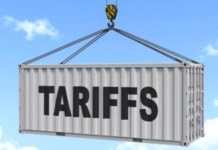


WASHINGTON, D.C. — A top American lawmaker, Senator Maria Cantwell, sharply criticized President Donald Trump’s new $12 billion plan to support farmers affected by U.S. trade disputes, calling it a “meager bailout” that fails to address the broader damage caused by tariffs that have disrupted global markets and hit key exporters — including sectors once heavily reliant on sales to India.
A day earlier, Trump said he would direct up to $11 billion toward a new Farmer Bridge Assistance Program for producers of soybeans, corn, wheat, lentils, chickpeas and barley. Another $1 billion would go to specialty crops, though the administration has not released distribution details or timelines. Payments are expected by February 28, 2026.
The funds will be drawn from the Commodity Credit Corporation and administered by the Farm Service Agency. The USDA noted that the announcement comes more than a year after Trump’s first round of tariffs prompted swift retaliatory threats against U.S. goods.
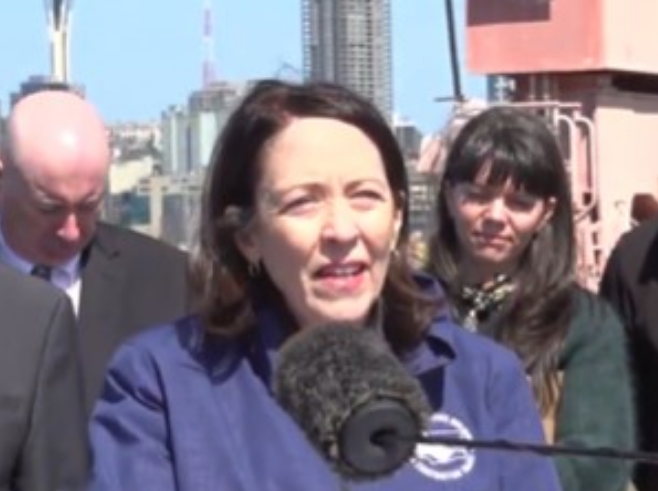
Cantwell, a Democrat from Washington state, said the administration’s response is insufficient. “Washington farmers don’t want a meager bailout; they want to be able to export their goods across the globe,” she said, warning that “Trump’s tariff chaos is sabotaging decades of hard work winning overseas shelf space.”
She added that prolonged trade friction threatens major Pacific Northwest export hubs that handle nearly $20 billion in U.S. agricultural shipments each year. “Trump’s tariffs continue to harm American consumers, manufacturers, and small businesses, who keep paying the costs without relief,” she said.
Specialty crops — many of which rank among Washington state’s top agricultural exports — make up more than 30 per cent of U.S. farm output but would receive only 8 per cent of the aid package. Apples, cherries, potatoes and pulse crops were among the commodities hit hardest when India imposed retaliatory tariffs after Trump levied steel and aluminum duties during his first term.
The release highlighted the steep decline in U.S. apple exports to India, which fell from $120 million in 2017 to under $1 million by 2023. It credited Cantwell’s years of advocacy with helping persuade New Delhi to remove those retaliatory duties in September 2023, calling the policy reversal “welcome news” for more than 1,400 Washington apple growers and tens of thousands of workers.
Cantwell also pointed to her bipartisan Trade Review Act, co-sponsored with Senator Chuck Grassley, which aims to limit presidential tariff authority and increase congressional oversight. The bill has attracted support from both parties as well as major industry groups.
The release cited rising consumer costs linked to tariffs, referencing analysis by economists at the Federal Reserve Bank of St. Louis showing higher prices for vehicles, electronics and furniture.
India and the United States have long clashed over agricultural trade, including duties on apples, pulses and almonds. India’s removal of retaliatory tariffs in 2023 marked a rare easing of tensions as both governments sought to stabilize their trade relationship. (Source: IANS)