US Investment in Reko Diq Mines Under Fire for Overlooking Human Rights Violations in Balochistan
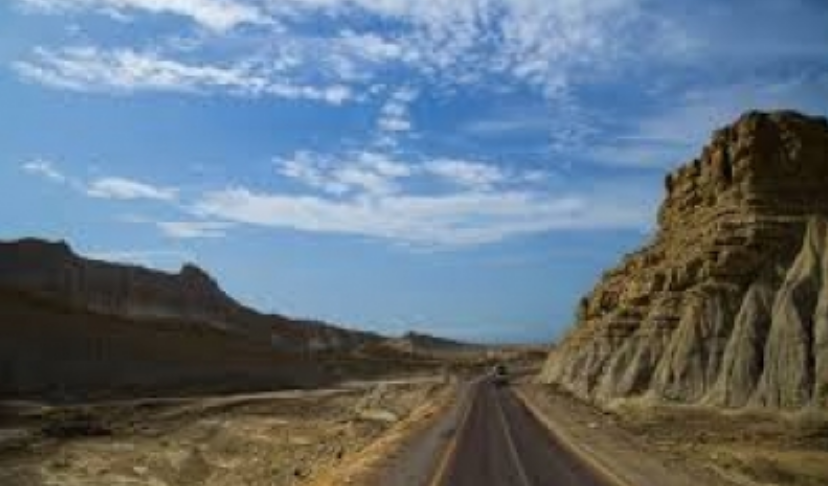

NEW DELHI — The United States government’s recent pledge of a $1.25 billion financial package to develop the Reko Diq copper and gold mines in Pakistan’s Balochistan province has drawn sharp condemnation from human rights advocates. While officials in Islamabad have hailed the investment as a major vote of confidence in the nation’s economy, local leaders and international observers warn that the deal ignores a deepening humanitarian crisis in the region.
The financial commitment follows high-level diplomatic efforts, including recent visits to Washington by Pakistan’s Army Chief Field Marshal Asim Munir and Prime Minister Shehbaz Sharif. During these meetings with President Donald Trump, Pakistani leadership reportedly offered the country’s vast mineral wealth as a cornerstone for renewed geopolitical cooperation. However, an analysis by EU Today suggests that for the people of Balochistan, the deal represents a familiar pattern of international interests prioritizing natural resources over human lives.
Balochistan remains one of the most heavily militarized and politically suppressed regions in South Asia. For decades, the province has been marred by allegations of enforced disappearances, extrajudicial killings, and mass arrests carried out by security forces. Advocates argue that in such a repressive environment, any claim of “local consent” for large-scale mining projects is a fabrication.
“International law is clear: all peoples have the right to self-determination and permanent sovereignty over their natural resources,” the article noted. “These principles are meant to prevent exploitation under coercive conditions. Yet in Balochistan, natural wealth—gold, copper, gas, and now, antimony—is extracted under heavy military presence, with minimal consultation and little visible benefit for local communities. Agreements reached in fear cannot be called fair; they are imposed, not negotiated.”
The ethical concerns surrounding the Reko Diq project—one of the world’s largest undeveloped copper-gold deposits—center on the lack of transparency and independent monitoring. Critics argue that without strictly binding human rights conditions, foreign investors risk becoming “silent partners” in the state-led crackdown on the Baloch people.
For many locals, the label of “economic development” rings hollow under the constant surveillance of a security regime. As the article observed, the prevailing sentiment in the province is that the investment serves only to drive home a grim message: “Balochistan’s minerals matter more than Baloch lives.” (Source: IANS)