
U.S. Proposes Online Passport Renewal for Americans Living Abroad
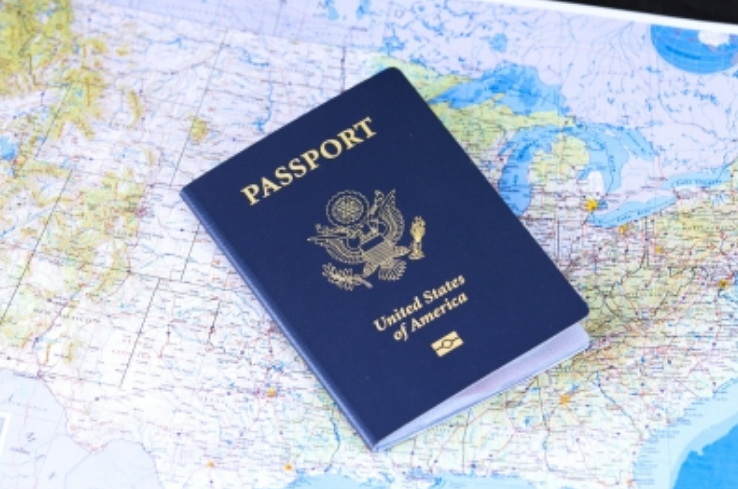

Washington — The U.S. State Department has proposed allowing eligible American citizens living overseas to renew their passports entirely online, potentially eliminating the need for two visits to a U.S. embassy or consulate.
The proposed rule, published in the Federal Register on Friday, would expand the department’s Online Passport Renewal platform to qualified applicants in foreign countries.
The program would be rolled out internationally in phases, with the State Department publishing a list of participating countries on its travel website. Officials have not yet identified which countries would be included in the initial phase.
The change could eventually benefit U.S. citizens living in India if the service is authorized there.
Eligible applicants would be able to complete the application, pay the required fee and upload a passport photograph online.
“By enabling eligible persons overseas to submit applications, pay fees, and upload photos entirely online, the traditional requirement for two in-person visits to a consular post would be eliminated,” the State Department said.
The department said the digital process would also eliminate the need to transfer physical applications from diplomatic missions overseas to passport agencies in the United States for processing.
Officials said the change could speed up passport renewals and reduce logistical challenges for Americans abroad, including difficulties securing embassy or consulate appointments.
The State Department estimates that expanding online renewals overseas could make about 220,000 additional applicants eligible in fiscal 2027.
Nearly 10.51 million people are expected to submit passport renewal applications using Form DS-82 during the fiscal year, with about 6.28 million, or 60%, projected to apply online.
The proposal would also eliminate the existing requirement that an applicant’s most recently issued passport have no more than one year of validity remaining to qualify for online renewal. Instead, the department would publish the applicable remaining-validity requirement on its website.
Officials said improvements to government computer systems have made the current one-year restriction unnecessary.
Other eligibility requirements would remain. An applicant’s previous passport must have been valid for 10 years and issued when the person was at least 16. Online applications generally must also be submitted within 15 years of the previous passport’s issuance.
Applicants would need to have their most recent passport available so it can be verified and canceled through the online system.
Passports reported lost or stolen would remain ineligible for online renewal because handling those cases would require significant changes to the adjudication process. Applicants whose passports were issued more than 15 years ago would also remain ineligible under the proposal.
Online applicants would pay the same passport fees as those filing paper applications, but the State Department said they could save money on photographs, postage and travel to consular facilities.
The department estimates that expanded overseas renewals, combined with the existing domestic online program, could produce nearly $148.7 million in annual savings from reduced spending on photographs, postage, travel and lost wages.
Americans living overseas could also avoid an estimated four hours away from work for a consular visit. The department estimated that 220,000 overseas applicants could collectively avoid about $18.8 million in lost wages each year.
Officials said greater use of online processing could also allow consular employees to devote more time to complex citizenship matters and emergency services for Americans abroad.
The State Department said passport information submitted electronically would be encrypted and processed on controlled systems accessible only to authorized employees.
The online passport renewal platform was launched on a limited basis in 2022 and has so far been available only to qualified applicants located in the United States.
The proposal is not yet final. The State Department will accept public comments for 60 days before deciding whether to adopt or revise the rule. (Source: IANS)