

WASHINGTON– U.S. President Donald Trump’s announcement of sweeping prescription drug price cuts under a “Most Favoured Nation” policy has brought India’s pharmaceutical industry into sharp focus, as Washington moves to benchmark U.S. drug prices against those paid in other countries.
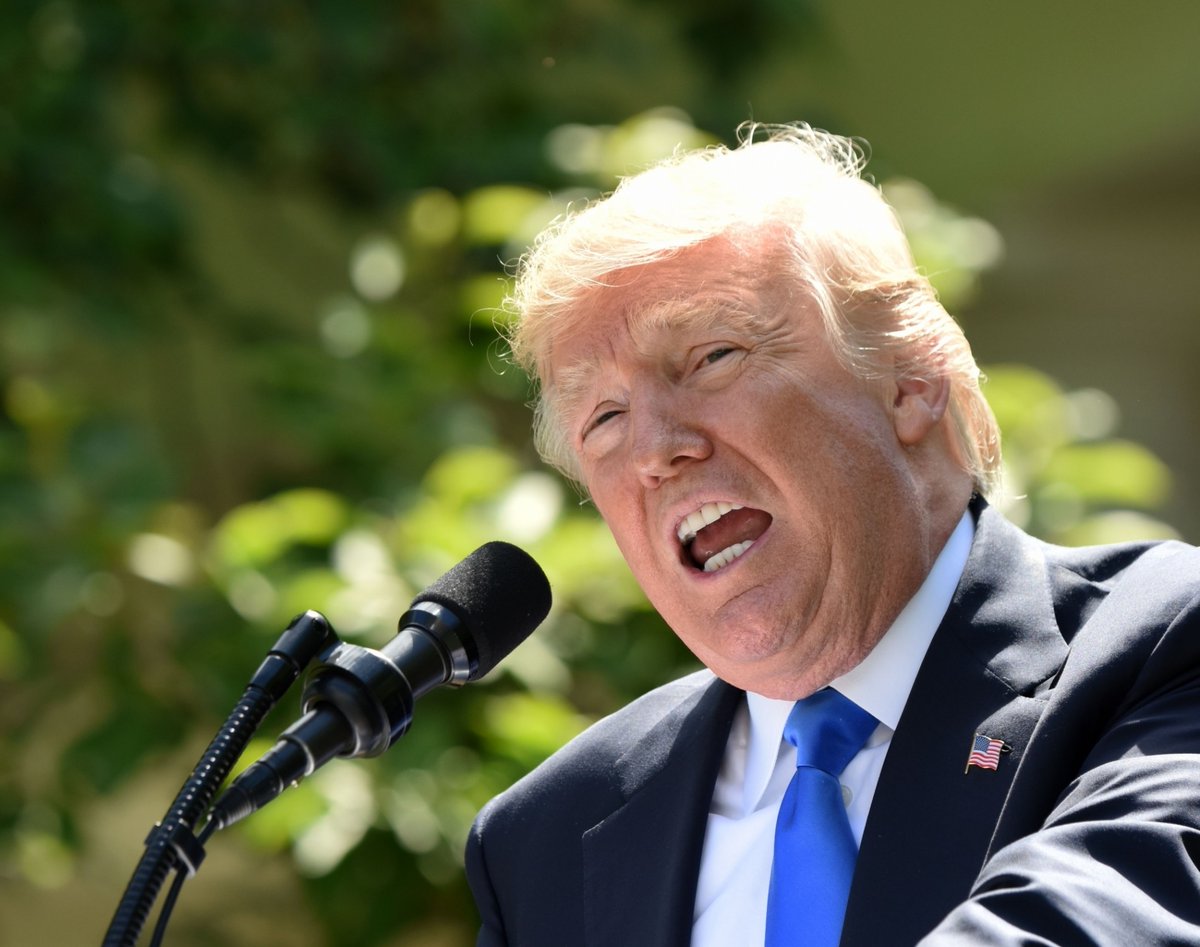
In an address to the nation on Wednesday local time, Trump said his administration had secured dramatic reductions in drug prices by confronting pharmaceutical companies and foreign governments directly, using trade pressure to alter long-standing global pricing practices.
“I negotiated directly with the drug companies and foreign nations, which were taking advantage of our country for many decades to slash prices on drugs and pharmaceuticals by as much as 400, 500, and even 600 per cent,” Trump said.
He said the policy, formally known as “Most Favoured Nation,” would reverse decades of rising drug costs in the United States.
“There has never been anything like this in the history of our country,” Trump said, adding that drug prices “have only gone up, but now they’ll be going down by numbers never conceived possible.”
According to Trump, the first round of price reductions will take effect in January and will be made available through a new government website, TrumpRx.gov.
The announcement has particular significance for India, whose pharmaceutical companies play a central role in supplying low-cost medicines to American consumers and are deeply integrated into U.S. healthcare supply chains.
Trump said he used the “threat of tariffs” to pressure foreign countries into sharing the burden of lowering drug prices in the U.S.
“I used the threat of tariffs to get foreign countries who would never have done it to pay the cost of this giant dollar reduction,” he said.
The remarks signal that trade policy could be deployed alongside healthcare reforms, potentially reshaping international drug price negotiations and altering how exporters engage with the U.S. market.
Trump also criticized health insurance companies, arguing that they had grown wealthy on money that “should go directly to the people,” and said lower drug prices would significantly ease healthcare costs for American families.
“These big price cuts will greatly reduce the cost of healthcare,” he said.
For Indian drugmakers, analysts say the key issue will be how the Most Favoured Nation framework is implemented and whether pricing pressure is directed primarily at branded drugs, generics, or both. Indian companies supply a large share of off-patent medicines in the U.S. and have invested heavily in manufacturing facilities that meet strict American regulatory standards.
Trump’s renewed push revives an argument he made frequently during his first term, when he contended that U.S. consumers were subsidizing lower drug prices overseas and called for international price parity.
As the administration moves to reset U.S. healthcare pricing, India’s pharmaceutical sector faces the challenge of managing potential pricing pressure while continuing to serve as a cornerstone of affordable medicine supply to the United States. (Source: IANS)