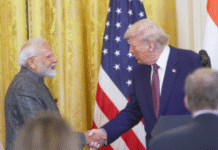


CHICAGO, Ill. — Trade policy, artificial intelligence and the growing influence of the Indian diaspora were central themes in a wide-ranging discussion on the future of India–U.S. relations, as community leaders, business executives and diplomats examined the trajectory of ties between the world’s two largest democracies.
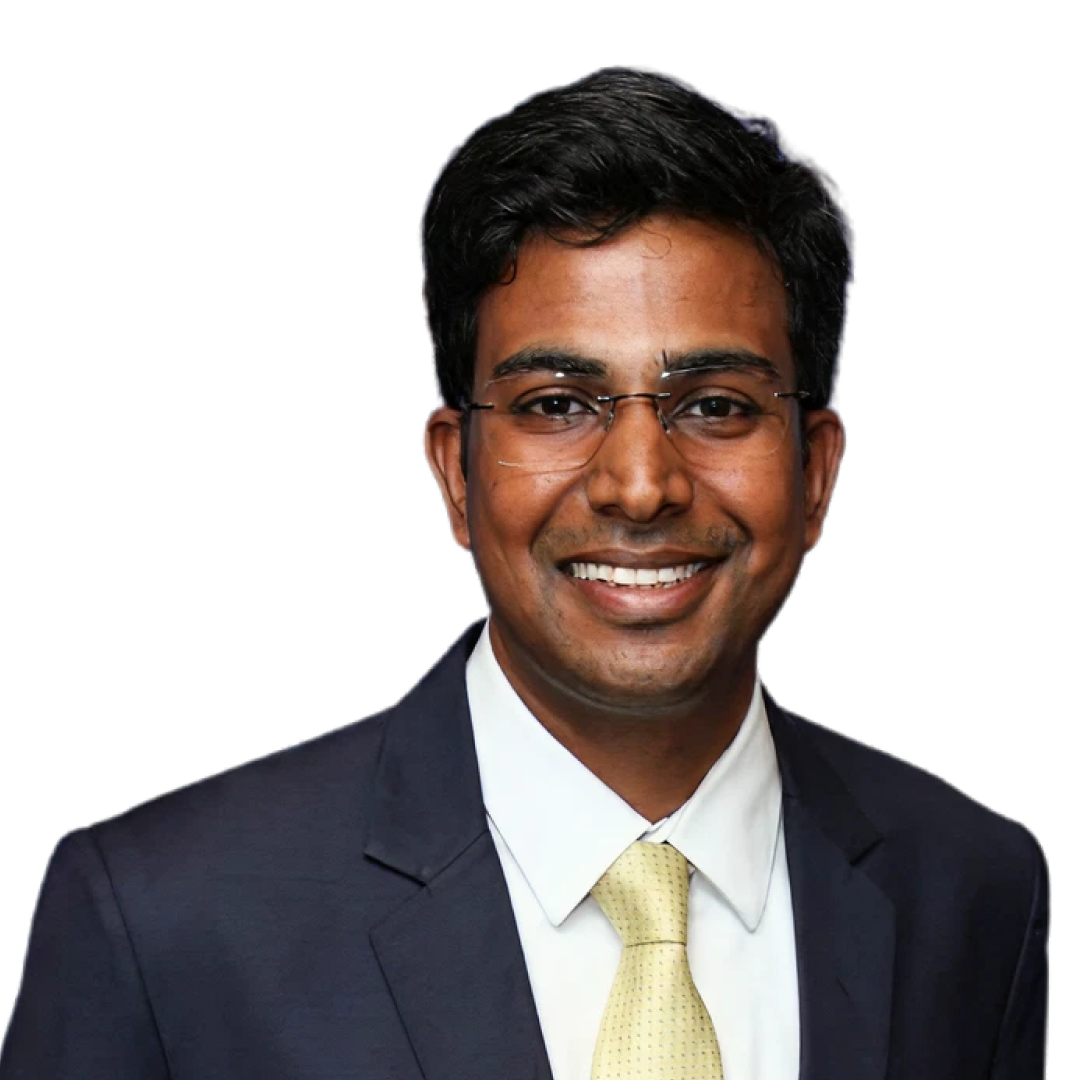
Speaking at the India Abroad Dialogue in Chicago, Ankit Jain of the U.S.–India Strategic Partnership Forum described the bilateral relationship as enduring despite periodic tensions. “It’s a long ongoing marriage — full of commitment, but short drama,” he said.
Jain said trade ties remain robust even amid political headwinds. “India is the largest trade partner of over $200 billion,” he said, noting that U.S. companies continue to expand their footprint in India, citing recent investments by Amazon, Microsoft and Google.
However, he cautioned that elevated tariffs could harm both economies. “It makes no sense to have India at the highest 50 per cent,” Jain said, warning of negative effects on small and medium enterprises and higher inflationary pressures in the United States.
Debesh Kumar Behera, Counsellor for Community Affairs and Security at the Indian Embassy, highlighted India’s focus on technology collaboration, particularly in artificial intelligence. He said an upcoming AI summit in India would emphasize open-source innovation and domestic capability. “The more open source we use, the more it will help the community,” Behera said, pointing to priorities such as data centers, quantum computing and indigenous AI models.
Community leaders underscored the diaspora’s role as a bridge between the two countries. “We are the strongest community as far as AI development is concerned,” said Amitabh Mittal, a community leader and businessman, urging closer engagement between next-generation Indian American entrepreneurs and India’s innovation ecosystem.
Media responsibility and the influence of diaspora journalism also featured prominently. Vandana Jhingan, a community media leader, warned that misinformation and what she described as “yellow journalism” were eroding public trust. “Everybody carries a smartphone and treats themselves like reporters,” she said, stressing that responsible journalism depends on verification rather than narrative-building.
She also called for stronger support for ethnic media outlets. “Editorial has its job, but publishers have to pay the bills,” Jhingan said, urging businesses to back credible diaspora platforms.
Participants discussed emerging areas of collaboration including defense manufacturing, semiconductors and space technology. Community leader and business executive Nirav Patel noted growing opportunities for co-creation, pointing out that “there are over 3,600 smaller organisations in America working in defence and space,” many of them led by next-generation Indian Americans.
The discussion concluded with calls for sustained engagement despite political uncertainty. “This is not the worst of times or the best of times,” one speaker said. “It is just time.”
India and the United States have expanded cooperation across defense, technology and education over the past decade. As both countries navigate political transitions, participants said strong people-to-people ties and diaspora engagement will remain a stabilizing force in the bilateral relationship. (Source: IANS)