Nomination Deadline for Woman of the Year 2016 is April 19


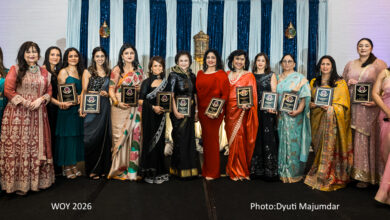
WALTHAM, MA– INDIA New England News announced that it has opened nominations for 2016 Woman of the Year. The deadline for nominations is April 19, 2016. INDIA New England will honor the top 20 women and the 2016 Woman of the Year winner at its signature and flagship 14th annual gala and awards event on June 3 at the Marriott Burlington Hotel in Burlington, Mass.
INDIA New England News, one of the nation’s largest online, print and video magazine, will also bestow The Lifetime Achievement Award to a woman who has contributed to and dedicated her life and passion to serving the community.
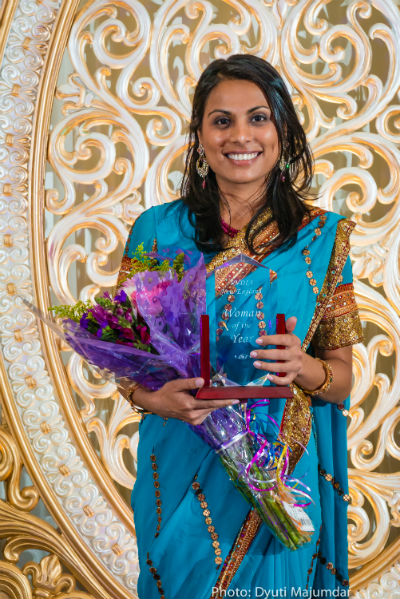
The winners will be chosen based on their contributions to the community, culture, organizations, business and their personal and professional achievements in diverse fields including art, academics, health care, politics, business and charity work. This year marks the 14th anniversary of the Woman of the Year award. A special issue profiling all of the finalists will be published in the June 2016 issue of INDIA New England News.
“This will be the 14th anniversary of this great tradition that has already honored 13 extraordinary women as Woman of the Year and more than 200 others with special honors. Now, let us get ready to honor another 20 outstanding women on June 3, 2016,” said Upendra Mishra, publisher of INDIA New England News.
Out of the hundreds of nominations, the editorial team of INDIA New England News selects 20 finalists, and then the names and supporting testimonials and documents are submitted to an independent panel of judges, who then choose Woman of the Year. To nominate, please click here.
Dr. Nahid Bhadelia, the frontline physician fighting ebola and Director of Infection Control, National Emerging Infectious Diseases Laboratory, is 2015 Woman of the Year. She was crowned Woman of the Year at the 13th Annual Woman of the Year Awards gala last year.