Sunayana Kachroo on “Yeh Ishq Hai”: A Love Story Told Through Color, Culture and Perception
Anshoo Tikoo Zutshi’s debut original single and short film brings together Kashmiri heritage, Hindi poetry and a tender story of love and color blindness, with Boston-based writer and lyricist Sunayana Kachroo shaping both the story and the song.
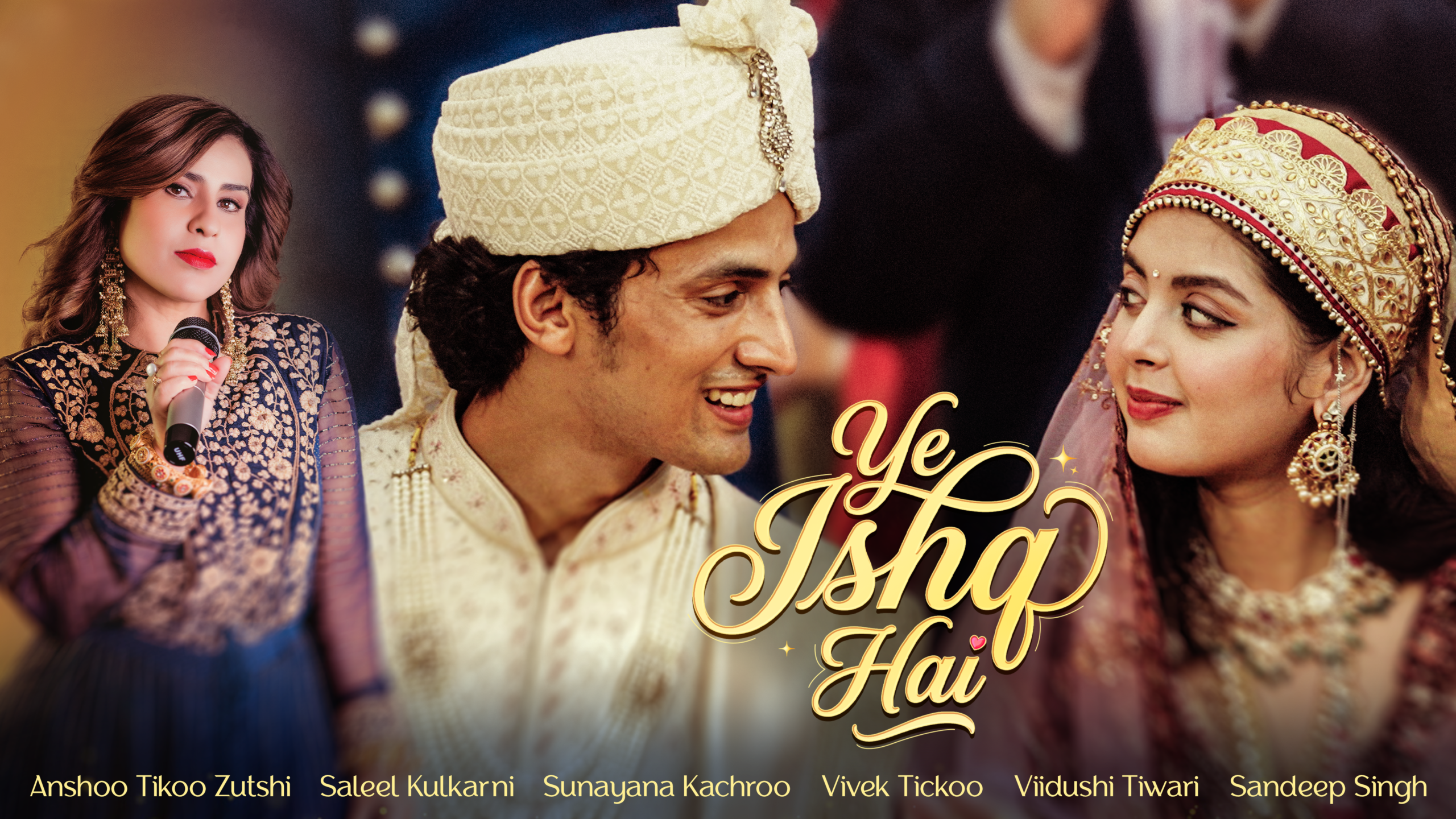

BOSTON–Love, in its many forms, is at the heart of Yeh Ishq Hai, the debut original single and short film by California-based artist Anshoo Tikoo Zutshi. But beneath its romantic surface, the project explores something more nuanced: how people perceive one another, how cultural memory shapes intimacy, and how love can change the way we experience the world.
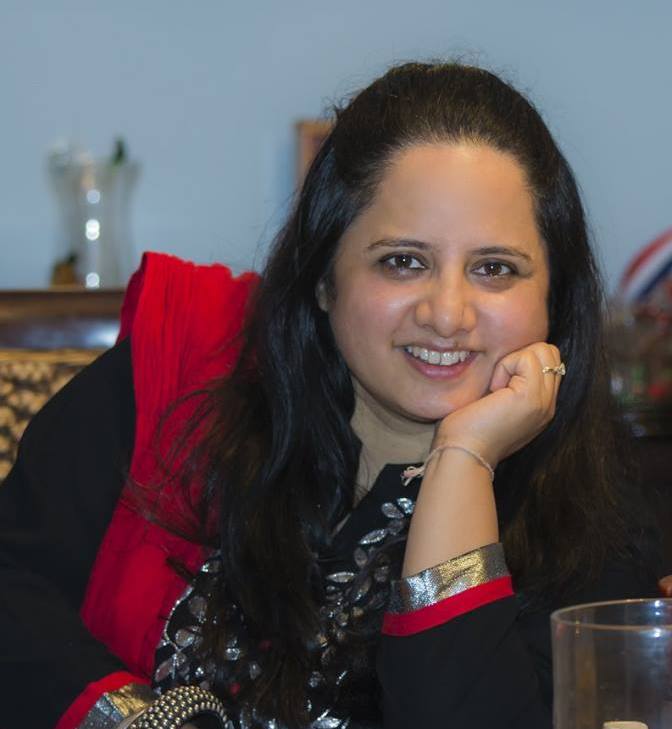
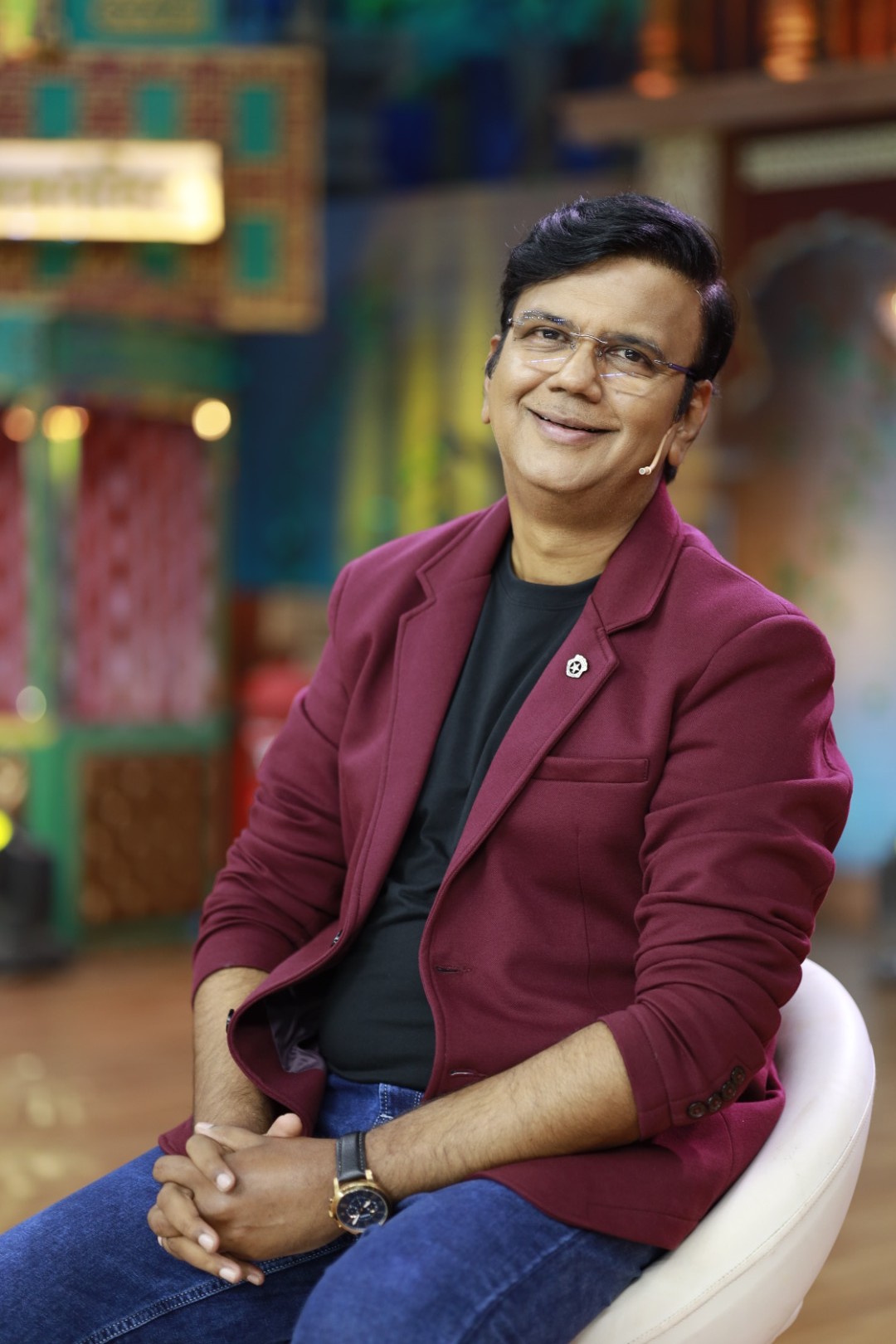
The song and film bring together an international creative team, with Zutshi collaborating with Boston-based writer and lyricist Sunayana Kachroo and India-based National Award-winning music director Saleel Kulkarni. The film is directed by Vivek Tickoo and features actress Viidushi Tiwari, known for her work in Anupamaa, alongside model-actor Sandeep Singh.
At the center of the story are Annika and Ved, two people navigating the tentative, often imperceptible stages of falling in love. Their story unfolds through glances, conversations, anticipation and vulnerability, while Annika carries a secret that adds another layer to her emotional journey: she experiences the world differently because she is color blind.
Rather than presenting that difference simply as a limitation, Yeh Ishq Hai uses it as a metaphor for perception. The story asks what it means to truly see another person—and whether love requires two people to experience the world in exactly the same way.
That idea also gives particular resonance to the song’s recurring Rangrez metaphor. Traditionally associated with the person who gives color, the Rangrez becomes, in the story, a symbol of someone who does not necessarily change another person’s world, but enters it, accepts it and learns to see it with them.
The film is equally rooted in Kashmiri cultural memory. Kashmiri and Hindi flow together in the lyrics, while Kashmiri rituals, food, family traditions, shawls, dance and Posh Pooja become part of the visual and emotional landscape. The cultural elements are not simply decorative; they form part of Annika’s identity and the story she carries into a new chapter of her life.
For Zutshi, who is the founder and lead singer of The Kashmir Ensemble, a women-led, multilingual, multi-genre international band with performances across the United States, the project also represents a significant new step as a solo artist. The audio was recorded across California and India, while the video was shot in Mumbai, giving the project a geographical reach that mirrors its cultural fusion.

Much of the emotional architecture of Yeh Ishq Hai begins with the writing. Kachroo wrote both the story and lyrics, building the song around the gradual movement from anticipation and discovery to intimacy and recognition.
In a conversation about Yeh Ishq Hai, Sunayana Kachroo discusses the inspiration behind the song, the decision to weave Kashmiri and Hindi together, the role of color blindness in the story, and how the lyrics evolved alongside the visual narrative.
Q&A with Sunayana Kachroo
Q: What was the initial inspiration for the lyrics of “Yeh Ishq Hai,” and what story were you hoping to tell through the song?
Love, the eternal muse was the starting point. Love has many shades: romantic love, the love of nature, self-love, familial love, and the many forms of connection that shape our lives. Anshoo had been wanting to release an original song, and we explored several ideas together. During those conversations, Saleel ji suggested that we create a song that celebrates love in all its beauty and emotion. That became our initial brief and the seed from which Yeh Ishq Hai evolved.
We wanted to capture love as something that begins quietly and almost imperceptibly. The lyrics follow that emotional progression—from “mehki hui hain kyaariyaan” and “sabki hai sabse yaariyaan” to “goonjti sargoshiyan,” “Tootati khaamoshiyaan,” and finally “madhoshiyaan.” The world around the two characters begins to change as they fall in love.
Rather than a conventional love story, we wanted to capture the small gestures—the glances, conversations, anticipation, playfulness, and vulnerability—that slowly lead to recognition. “Ishq ki taiyaariyaan” is that stage when you may not have confessed anything, but your heart already knows.
Ultimately, Yeh Ishq Hai is about seeing someone with your heart before your eyes.
Q: The song blends Kashmiri and Hindi. How intentional was that choice, and what did you hope it would add?
It was completely intentional. Hindi gives the song accessibility, while Kashmiri brings an intimate cultural and emotional texture. We wanted Kashmir to be felt, not simply represented.
Anshoo Tikoo Zutshi ( Producer, Singer), Vivek Tickoo(Director) , and Myself (Lyrics, Story Screenplay) are all Kashmiri, so the Kashmiri lines became almost an inner dialogue for the characters. As multilingual people, we often instinctively return to our mother tongue when expressing our most intimate thoughts and emotions. That is what we wanted the Kashmiri portions of the song to convey, a more instinctive, personal voice within the larger Hindi narrative.
The cultural references are woven into the story itself—food, family, shawls, dance, Posh Pooja, wedding rituals, and the language. Even the imagery of flowers, fragrance and spring comes from that world. So, the Kashmiri elements aren’t decorative; they are part of Annika’s emotional inheritance.
We also wanted the language to work the way love does—sometimes you understand every word, and sometimes you simply understand the feeling.
Q: The music video incorporates Kashmiri rituals and cultural imagery. How closely did you work with the director and composer to ensure the lyrics complemented the visuals?
Very closely. I wrote the story and lyrics together, so I was thinking about the visual and emotional journey while writing the song.
The first section is almost a sensory awakening: “mehki hui kyaariyaan,” “bekaraariyaan,” “ishq ki taiyaariyaan.” We see Annika and Ved meeting, discovering each other, sharing small moments, going on a trip, and gradually becoming close.
Then the song moves into “goonjti sargoshiyan, aur tootati khaamoshiyaan.” That is where the relationship becomes more emotionally intimate. Annika is carrying a secret about her color blindness, and there is a hesitation about revealing it.
The “Bumbum bhanwar madhoshiyaan” section reflects that dizzy, almost intoxicating stage of falling in love. Even “jharne kare badmaashiyaan” has a playful quality—it is love becoming less guarded.
And then comes the emotional turn: “Rangrez mera yaar hai.” The Rangrez is traditionally the one who gives color, but here the metaphor becomes much deeper. Ved becomes the person who brings color and meaning into Annika’s world—not by changing how she sees, but by accepting how she sees. There are deeper meanings to this as well. The final “Rangrez” section now becomes the conceptual payoff of the entire song, rather than just another romantic metaphor.
By the time we reach “Roshan dar-o-deewar hai, main jaanti hoon pyaar hai,” love has moved from anticipation to recognition. The wedding then becomes the culmination of that journey, with the Kashmiri rituals and Posh Pooja bringing her cultural inheritance and her new life together.
Q: The story centers on love while also addressing visual disability through color blindness. How did that theme influence your writing?
Color blindness was not meant to be a limitation imposed on the character; it became a metaphor for perception itself. Annika initially worries about revealing that she experiences color differently. But Ved’s response is not to treat her differently. He simply accepts her reality. That became the emotional heart of the story.
It also gave new meaning to the Rangrez metaphor. In a world full of colors, the person who loves you does not necessarily have to show you the colors differently. They simply have to enter your world and see it with you.
The line “Main jaanti hoon pyaar hai” is therefore important. Her realization of love is not dependent on what she can visually perceive. It comes from what she feels.
For me, the message is simple: love isn’t about seeing the world the same way; it is about seeing each other deeply.
Q: You’ve written across different mediums. How was writing “Yeh Ishq Hai” different from your other storytelling work?
I wrote both the story and lyrics, so the song became a form of storytelling in miniature. Every verse had to advance the relationship while creating a sensory world.
I wanted the lyrics to move like the characters do—from kyaariyaan and sargoshiyan, to bekaraariyaan and madhoshiyaan, and finally to the Rangrez and izhaar. There is a deliberate emotional escalation.
I have worked with Dr. Saleel Kulkarni before, and what I value about his process is his deep understanding of poetry. He allows the lyric to lead the tune, giving the words space to establish the mood and emotional vocabulary before the music takes over.
We recorded the main vocals and part of the chorus in California, while the rest of the track and chorus were completed in India. That made the collaboration feel particularly meaningful—a song rooted in Kashmiri culture, created across two countries, but ultimately speaking about something universal: the experience of falling in love.