Report Says Khalistan Movement Remains Divided Among Rival Factions
Study cites growing tensions among separatist groups and questions prospects for a unified campaign
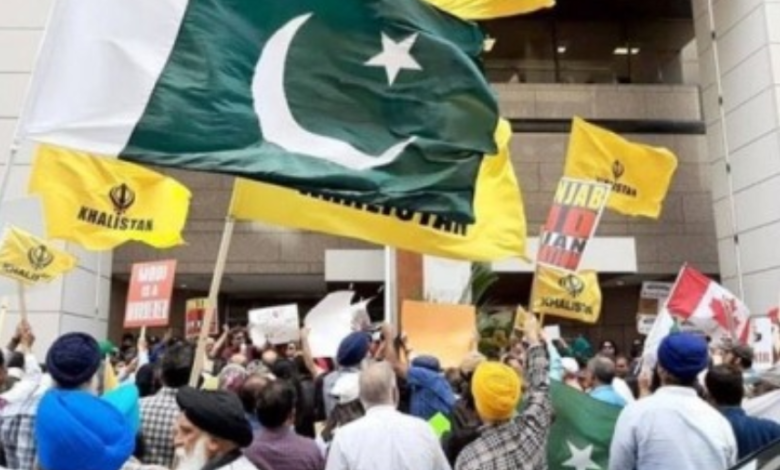

OTTAWA — The Khalistan movement remains fragmented among competing organizations and leaders who often challenge each other’s legitimacy, according to a report released by Khalsa Vox.
The report argues that the broader Khalistan ecosystem — including groups such as Babbar Khalsa International (BKI), Sikhs for Justice (SFJ), various Akali factions, and networks associated with jailed Sikh leader Amritpal Singh — does not function as a unified political movement. Instead, it describes a landscape marked by internal rivalries and competing visions for pursuing a separate Sikh state.
The report was published around the anniversary of Operation Blue Star, the Indian Army operation conducted in June 1984 at the Golden Temple complex in Amritsar. The anniversary continues to be commemorated by various Sikh organizations and separatist groups worldwide.
According to the report, a recent statement issued by Wadhawa Singh Babbar, chief of the Pakistan-based Babbar Khalsa International, highlighted divisions within the movement. The report noted that Babbar criticized other pro-Khalistan organizations, including Sikhs for Justice and certain Shiromani Akali Dal factions, accusing them of lacking a clear strategy to achieve their objectives.
“The most striking feature of Wadhawa Singh’s letter is not its anti-India rhetoric,” the report stated. “What stands out is the criticism directed at other pro-Khalistan groups.”
The report contends that such criticism reflects broader disagreements within the separatist movement over tactics, leadership, and long-term goals.
Khalsa Vox cited portions of Babbar’s statement in which he argued that Khalistan could not be achieved without what he described as a “solid, modern plan and arms struggle.” He also called on supporters to contribute resources to the movement.
The report further alleged that some separatist organizations continue to operate under the influence of actors based in Pakistan. It claimed that these relationships have contributed to divisions within the movement and have shifted attention away from issues affecting Sikh communities.
The report also highlighted the role of Sikhs in India’s social, economic, and public life, noting their contributions in agriculture, military service, business, education, sports, and the arts.
It further emphasized the importance of Sikh institutions such as gurdwaras, langar, and seva, describing them as longstanding traditions of community service and social inclusion.
The report concludes that internal divisions, competing leadership structures, and differing approaches among separatist groups continue to limit the emergence of a unified Khalistan movement.
Neither Babbar Khalsa International nor Sikhs for Justice immediately responded to the report’s findings.