First Phase of India-U.S. Trade Deal Near Completion, Goyal Says
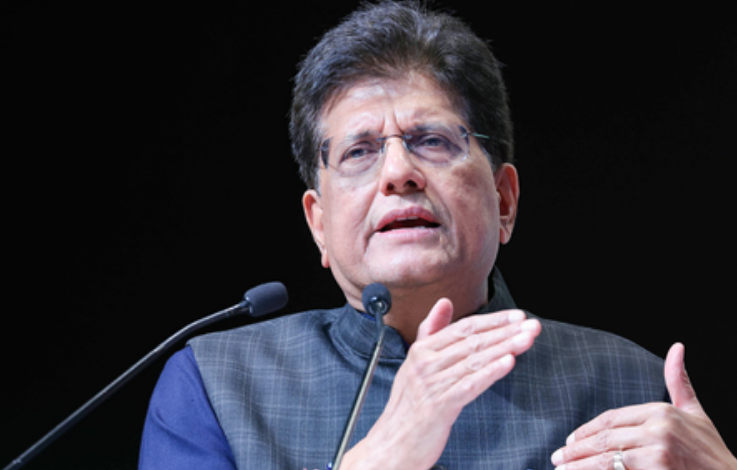

NEW DELHI — Commerce and Industry Minister Piyush Goyal said Monday that the first tranche of the India-U.S. bilateral trade agreement is nearly finalized, as officials from both countries continue negotiations in Washington.
“We have almost finalised the free trade agreement, the first tranche of the bilateral trade agreement with them,” Goyal told reporters.
He said discussions are now focused on determining how India can secure preferential market access in the U.S. compared with competing economies.
“We are trying to work out what would be the mechanism by which India can get preferential market access in the U.S. market compared to our competitors,” he said, adding that Indian officials will address these issues during the ongoing talks.
An Indian delegation led by chief negotiator Darpan Jain is in the United States for a three-day visit from April 20 to 22 to advance the discussions.
The current round of talks follows a postponement of a February meeting after the U.S. Supreme Court struck down sweeping reciprocal tariffs imposed under emergency powers by President Donald Trump, ruling that the executive branch had exceeded its constitutional authority.
The setback prompted both countries to reassess the agreement before resuming formal negotiations.
In the aftermath of the ruling, the U.S. revised its tariff framework, increasing global tariffs from 10 percent to 15 percent, further complicating the negotiating landscape.
Prior to the changes, India and the United States had been close to finalizing the first phase of the deal, with Washington agreeing to reduce tariffs on Indian goods to about 18 percent.
The evolving tariff regime has since required both sides to revisit aspects of the agreement.
The talks are also expected to address a Section 301 investigation launched last month by the Office of the United States Trade Representative, which includes India and China among 60 economies under review.
The probe is examining whether policies related to the import of goods produced using forced labor are inadequate or discriminatory and whether they place burdens on U.S. commerce.
India and the United States have been working toward a limited trade agreement for several years, with the current negotiations seen as a key step toward a broader economic partnership. (Source: IANS)