India, U.S. Launch New Round of Trade Talks in Washington
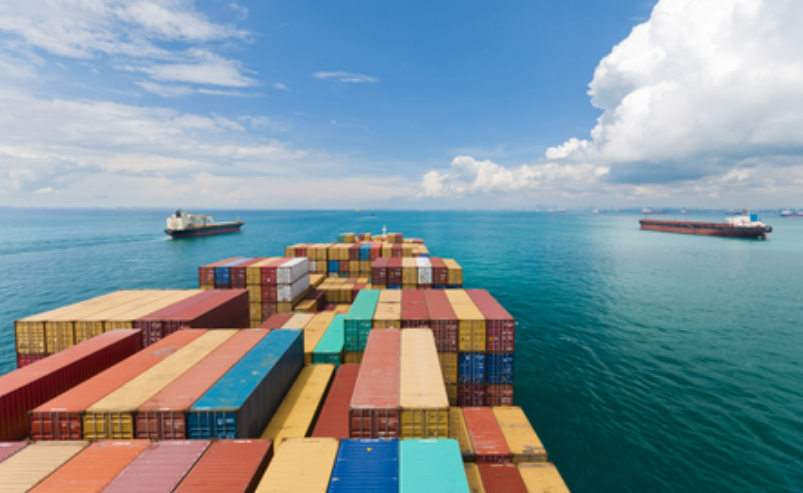

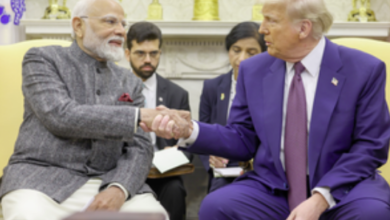
WASHINGTON — India and the United States began a new round of trade negotiations on Monday aimed at finalizing the long-pending bilateral trade agreement between the two countries.
An Indian delegation of about a dozen officials arrived in Washington for the three-day talks scheduled from April 20 to 22. The team is led by chief negotiator Darpan Jain, an Additional Secretary in the Department of Commerce, along with representatives from the Customs Department and the External Affairs Ministry.
The discussions mark the next phase in efforts to finalize the first stage of a bilateral trade agreement, building on earlier rounds focused on shaping an interim deal. Officials said the current meeting is expected to advance progress already made in previous negotiations.
The talks come amid significant changes in U.S. trade policy that have complicated earlier understandings. Following a U.S. Supreme Court ruling that struck down sweeping tariffs imposed under emergency powers, Washington introduced a temporary 10 percent tariff on imports from all countries for 150 days starting February 24.
The shift has altered the negotiating landscape. Previously, the U.S. had agreed to reduce tariffs on Indian goods to 18 percent from as high as 50 percent, including removing certain punitive duties linked to India’s purchase of Russian oil. The new uniform tariff, however, has reduced India’s relative advantage, prompting both sides to reassess the framework of the deal.
Officials said the evolving tariff environment may require adjustments to the agreement, which was initially outlined on February 7.
In addition to tariffs, the talks are expected to address ongoing unilateral investigations launched by the U.S. Trade Representative under Section 301 of U.S. trade law. India has rejected the allegations in these probes, calling them unjustified and urging their withdrawal.
Another issue likely to feature in the discussions is a broader review of policies related to goods produced using forced labor and their impact on U.S. trade interests.
The latest round of negotiations also carries diplomatic weight, coming ahead of a planned visit by U.S. Secretary of State Marco Rubio to New Delhi next month.
Earlier discussions had reached an advanced stage, with India offering to reduce or eliminate tariffs on a range of U.S. industrial and agricultural products, including soybean oil, tree nuts, fruits, wine and spirits, and animal feed.
India has also signaled its willingness to increase imports from the U.S., targeting purchases worth $500 billion over five years across sectors such as energy, aviation, technology, precious metals, and coking coal.
The current talks follow the postponement of a February meeting between chief negotiators after the U.S. court ruling on tariffs. Both sides had opted to reassess developments before resuming formal negotiations.
India and the United States remain among the world’s largest trading partners, with ties spanning goods, services, and technology. The proposed agreement is seen as a step toward a broader economic partnership, even as differences over tariffs, regulations, and market access continue to shape the negotiations. (Source: IANS)