Pakistan Navigates Delicate Balance as US-China Rivalry Reshapes Influence


London — Pakistan is increasingly navigating a complex geopolitical balancing act as it seeks to maintain ties with the United States while expanding engagement with China, amid shifting public sentiment and regional tensions.
According to a report by UK-based publication Asian Lite, declining perceptions of the United States within Pakistan have coincided with a steady rise in China’s economic, diplomatic, and strategic influence—particularly through infrastructure investments and long-term development initiatives.
The report suggests that Pakistan’s leadership is attempting to preserve its relationship with Washington without appearing overly aligned, as domestic backlash against the US grows. Analysts note that the longer this cautious approach continues—especially if it aligns with public opinion—the greater the strategic advantage for Beijing.
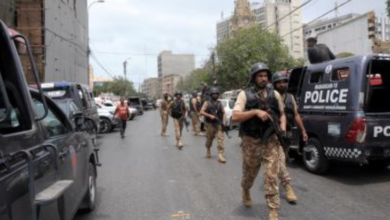
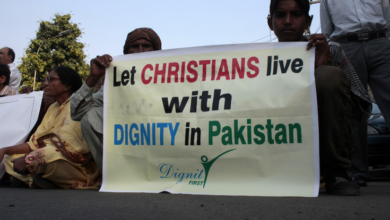
Recent unrest has underscored these dynamics. Widespread protests targeting US diplomatic facilities, including attacks on consulates, evacuation of staff, and suspension of visa services, point to what the report describes as a deepening wave of anti-American sentiment. At least 24 people were reported killed during a single day of demonstrations, highlighting the scale of the unrest.
The protests were triggered by escalating tensions in West Asia, particularly following a reported military campaign involving the United States and Israel against Iran. The fallout was felt rapidly in Pakistan, where demonstrations—especially among Shia communities—erupted in solidarity with Iran and in opposition to US actions.
Observers say the intensity of the protests marks one of the most significant outbreaks of anti-US violence in Pakistan since 1979, reflecting a shift in the country’s internal and external security environment. Demonstrators also accused the Pakistani government of aligning too closely with Washington during the crisis.
Amid these developments, China appears to be the primary strategic beneficiary. As US diplomatic presence faces growing constraints, Beijing’s role in Pakistan continues to expand, largely through economic engagement.
Central to this relationship is the China-Pakistan Economic Corridor, a flagship component of China’s regional connectivity strategy. While Washington has previously raised concerns about the project, recent high-level exchanges between Islamabad and Beijing signal renewed commitment to its next phase, often referred to as CPEC 2.0.
Analysts say Pakistan’s effort to derive economic and strategic benefit from US-China competition will remain a delicate exercise—one shaped as much by domestic pressures as by shifting global alliances.