

NEW DELHI, India — A new immune-targeting antibody therapy has shown striking potential to eliminate residual traces of multiple myeloma, a deadly blood cancer, according to interim findings from an ongoing clinical trial presented at the American Society of Hematology meeting in Orlando.
The study followed 18 patients who received up to six cycles of treatment with linvoseltamab, a bispecific antibody designed to activate the body’s own immune system against cancer cells. Using highly sensitive testing, researchers found that none of the patients had detectable disease after treatment.
The early success suggests that linvoseltamab may eventually reduce or even replace the need for bone marrow transplants, which require aggressive, high-dose chemotherapy. It also points to longer-term potential for improved outcomes in a cancer that currently has no cure.
“These patients received modern and effective up-front treatment that eliminated 90 percent of their tumor,” said lead researcher Dr. Dickran Kazandjian of the University of Miami’s Miller School of Medicine. “Usually, patients like these would receive high-dose chemotherapy and transplant. Instead, we give them a treatment with the drug linvoseltamab.”
Researchers described the results so far as “extremely impressive,” noting that the disappearance of minimal residual disease is a strong indicator of improved long-term prognosis. While relapse cannot be ruled out, the therapy’s performance offers hope for more durable disease control — potentially a “functional cure.”
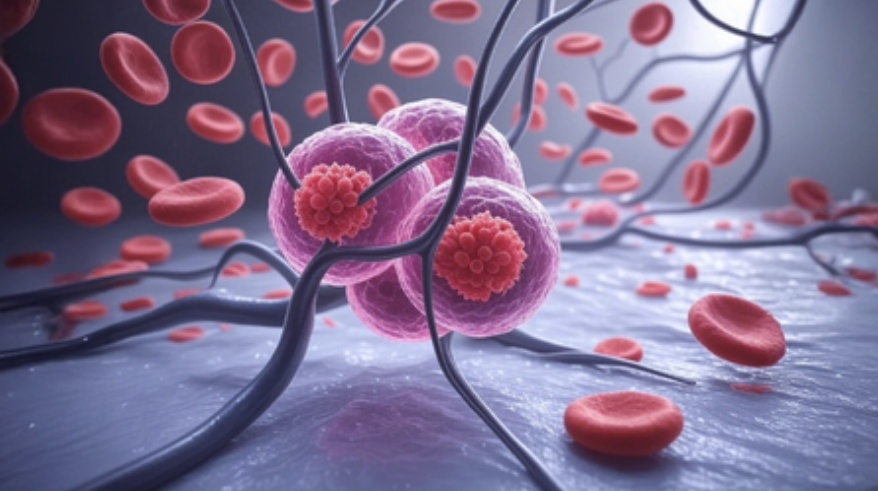
Multiple myeloma develops from malignant plasma cells, which accumulate in the bone marrow and disrupt normal blood cell production. Linvoseltamab works by binding to CD3 proteins on T cells — the immune system’s cancer-fighting cells — and to BCMA, a protein found on myeloma cells. By drawing the two cell types together, the antibody triggers a targeted immune attack against the cancer.
Some patients experienced manageable side effects, including neutropenia and upper respiratory infections, but researchers said these fell within an acceptable safety profile.
Based on the strong early data, investigators believe linvoseltamab could deliver longer-lasting responses than traditional transplants, offering patients the possibility of sustained disease control and dramatically improved quality of life. (Source: IANS)