
India’s $1 Billion in Agricultural Exports to U.S. Avoid Tariff Hike Under New Trump Waiver
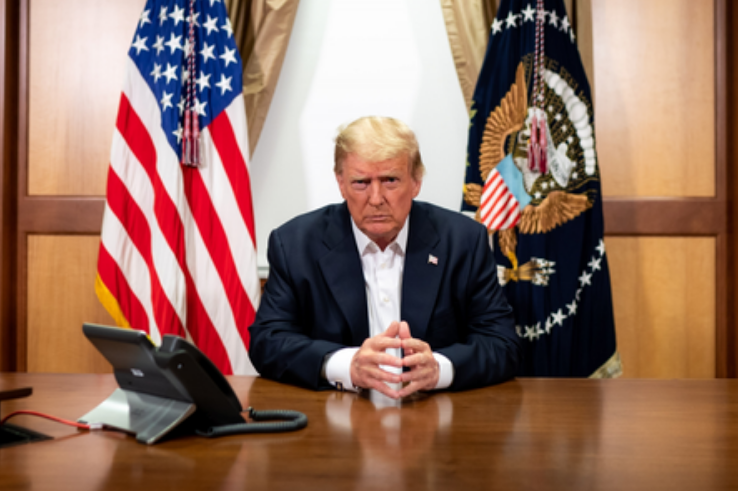

NEW DELHI, India — Approximately $1 billion worth of India’s agricultural exports to the United States will be exempt from recent tariff increases, following U.S. President Donald Trump’s decision to cut tariffs on nearly 200 food products amid criticism over rising domestic food prices.
The exemption covers key categories such as coffee, tea, spices, tropical fruits, fruit juices, and cocoa-based products — all of which are exported in significant volumes from India. India exported $2.5 billion worth of agricultural goods to the U.S. in fiscal year 2024–25.
“India’s agricultural exports to the U.S. stood at $2.5 billion in FY25, of which around $1 billion is exempted now,” said Ajay Bhadoo, Director General of the Directorate General of Foreign Trade (DGFT).
According to India’s Ministry of Commerce, spices valued at $358.66 million, 50 processed food items worth $491.31 million, and tea and coffee totaling $82.54 million will no longer face the 50 percent tariffs previously imposed on Indian products. Other beneficiaries include 48 fruit and nut products valued at $54.58 million, certain essential oils, various vegetable and edible root products, and even some beef and bovine categories.
“While this applies to all trading partners, it creates a level playing field for Indian exporters,” the ministry said.
Officials emphasized that nearly 50 categories of processed foods — worth approximately $491 million last year — stand to benefit most. These include coffee and tea extracts, cocoa-based products, coconut-based items, fruit juices, mango preparations, and vegetable waxes. Spices, valued at nearly $359 million, are expected to be the next major gainer. Although the fruit and nut category represents a smaller share (around $55 million), items like coconuts, guavas, cashew nuts, bananas, pineapples, and areca nuts will also enjoy tariff relief.
In all, the tariff exemptions touch nearly 20 percent of India’s $5.7 billion agricultural exports.
The move follows political pressure in the U.S. after Republican losses in recent elections in Virginia and New Jersey. Though President Trump had previously played down concerns over inflation, he has now issued an executive order to reduce import duties on products that cannot be adequately supplied domestically. The tariff relief is retroactive to midnight on November 13, according to the White House. (Source: IANS)