Indian Study Warns Drug-Resistant Fungus Is Becoming More Deadly, Spreading Worldwide

NEW DELHI, India — A dangerous drug-resistant fungal pathogen is becoming more virulent and spreading globally, according to a study led by Indian researchers that highlights growing risks to public health systems worldwide.
The study focuses on Candida auris, a multidrug-resistant fungus known for its ability to survive on human skin and persist in healthcare environments. Researchers said invasive fungal infections are increasing across continents and now affect an estimated 6.5 million people each year, with mortality rates often exceeding 50 percent even when antifungal treatment is administered.
The research was conducted by scientists from the Vallabhbhai Patel Chest Institute at the University of Delhi in collaboration with researchers in the United States and was published in the journal Microbiology and Molecular Biology Reviews.
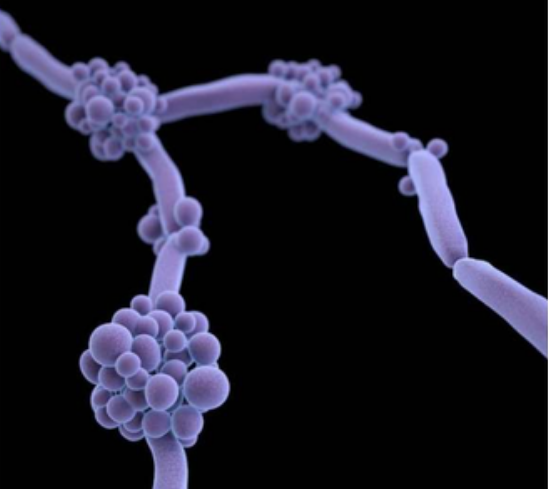
According to the study, Candida auris has developed sophisticated survival mechanisms that allow it to evade treatment and spread efficiently. These include the ability to change its physical form, shift genetic expression in response to environmental stress, and form multicellular clusters that enhance resistance and transmission.
Researchers found that the fungus is particularly effective at colonizing human skin, where cell-wall proteins adhere strongly to both living tissue and non-living surfaces. This makes long-term skin colonization a serious concern, as colonized patients can unknowingly transmit the pathogen within hospitals and other healthcare settings.
Patients carrying the fungus are also at heightened risk of developing severe bloodstream and organ infections. While the human immune system attempts to counter the pathogen, the study noted that Candida auris can actively evade immune defenses, further complicating treatment.
Diagnosis remains another major challenge. Conventional laboratory tests often misidentify the fungus as other, less dangerous yeast species, leading to delays in appropriate treatment and increasing the risk of severe outcomes.
The researchers said awareness of the threat posed by Candida auris is growing, but warned that scientific understanding and clinical preparedness still lag behind the pace of its spread.
The study called for urgent development of new broad-spectrum antifungal drugs, improved diagnostic tools, and immune-based or vaccine-assisted therapies for high-risk patients. It also emphasized the need for stronger surveillance systems and greater awareness of fungal diseases, particularly in resource-limited countries where detection and containment remain difficult.
Researchers said coordinated global action will be critical to preventing Candida auris from becoming an even greater threat to public health. (Source: IANS)